Korea’s Summer Cooling Lifestyle: How Heat Waves Are Changing Daily Life in Seoul
South Korea’s summer is becoming more than a weather story. It is changing how people shop, dress, commute, work and spend time at home.
As heat waves arrive earlier and last longer, Koreans are building a new kind of summer routine around cooling products, lighter clothing, iced drinks, indoor activities and electricity-bill management.
For visitors and international residents, understanding this cooling lifestyle can make summer in Korea much easier to handle.
Why cooling has become a lifestyle trend
Korean summers have always been hot and humid, but recent heat waves have made daily comfort a bigger priority. People are no longer waiting until peak summer to prepare.
Retailers are stocking fans, portable cooling goods, ice drinks, sunscreen and summer clothing earlier. Convenience stores are increasing supplies of ice cups, bottled water, sports drinks and frozen desserts. Fashion brands are promoting lightweight fabrics designed for humid weather.
This shift shows how heat has moved from a short seasonal inconvenience to a regular part of lifestyle planning.
The rise of small cooling products
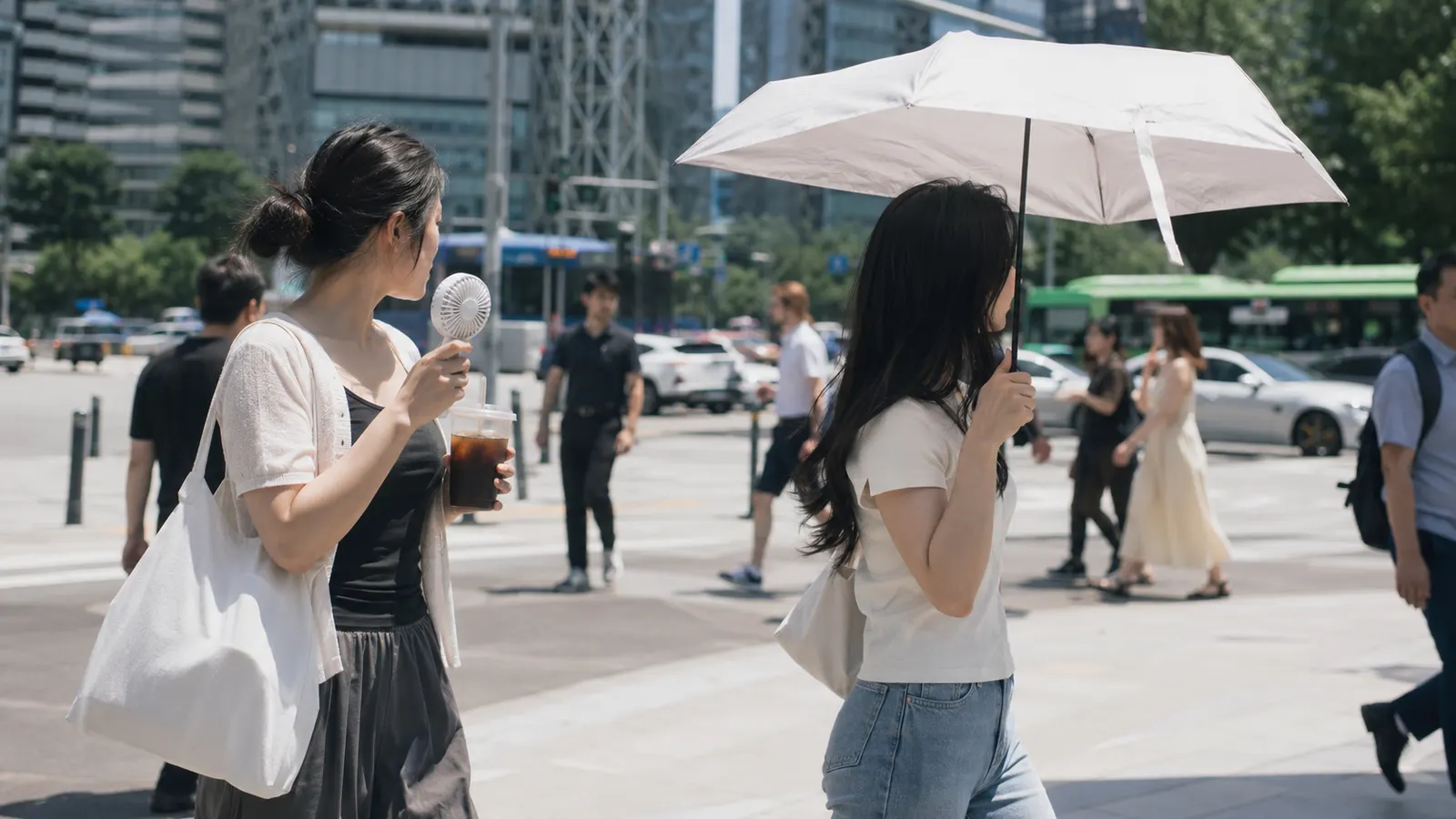
One of the easiest trends to notice in Seoul is the popularity of portable cooling goods. Handheld fans, neck fans, cooling patches, sun umbrellas, UV-blocking sleeves and lightweight caps are common on streets, buses and subway platforms. These products are not only for tourists.
Office workers, students, delivery riders, parents and older adults use them during commutes and outdoor errands. The appeal is simple: they are affordable, easy to carry and useful during short moments of heat exposure. A portable fan will not replace air conditioning, but it can make a long walk from the subway station or a crowded bus stop feel more manageable.
Convenience stores as summer survival stops
Korea’s convenience stores become especially useful in summer. They are everywhere, they are air-conditioned, and they sell many of the things people need during a hot day. Ice cups are one of the most practical items.
Customers buy a cup filled with ice and pour in coffee, tea, juice or a sports drink. It is cheap, fast and easy to customize. Bottled water, electrolyte drinks, ice cream, frozen fruit drinks and chilled meal boxes also become part of the summer routine. For travelers, convenience stores can work almost like small cooling stations between sightseeing stops.
Clothing is changing too
Korean summer fashion is increasingly practical. Loose shirts, linen blends, mesh sneakers, cooling innerwear, wide pants and light colors are easier to see during hot months. Office workers still need to look presentable, but many people now choose clothes that dry quickly and feel lighter in humid weather.
Sun protection is also part of the look. Umbrellas are no longer used only for rain. Many people carry them for shade, especially during lunch breaks or weekend walks. This can surprise first-time visitors, but it is one of the smartest habits to copy.
Home cooling and electricity bills
At home, the main concern is balancing comfort and cost. Air conditioners are common in Korean homes, but many households still worry about electricity bills during long heat waves. That is why people often combine air conditioning with fans, blackout curtains, dehumidifiers and nighttime ventilation.
A common habit is to cool the room strongly at first, then maintain a moderate temperature instead of constantly running the air conditioner at the lowest setting. People also close curtains during the hottest part of the day, avoid using heat-producing appliances in the afternoon and use fans to move cool air between rooms. The goal is not only to feel cool.
It is to stay comfortable without turning summer electricity costs into a financial shock.
How heat changes weekend plans
Heat waves also affect leisure culture. Outdoor walks, palace visits, hiking and daytime markets become harder during peak afternoon hours. Instead, people move toward indoor malls, cinemas, department stores, museums, cafes, aquariums, libraries and underground shopping areas.
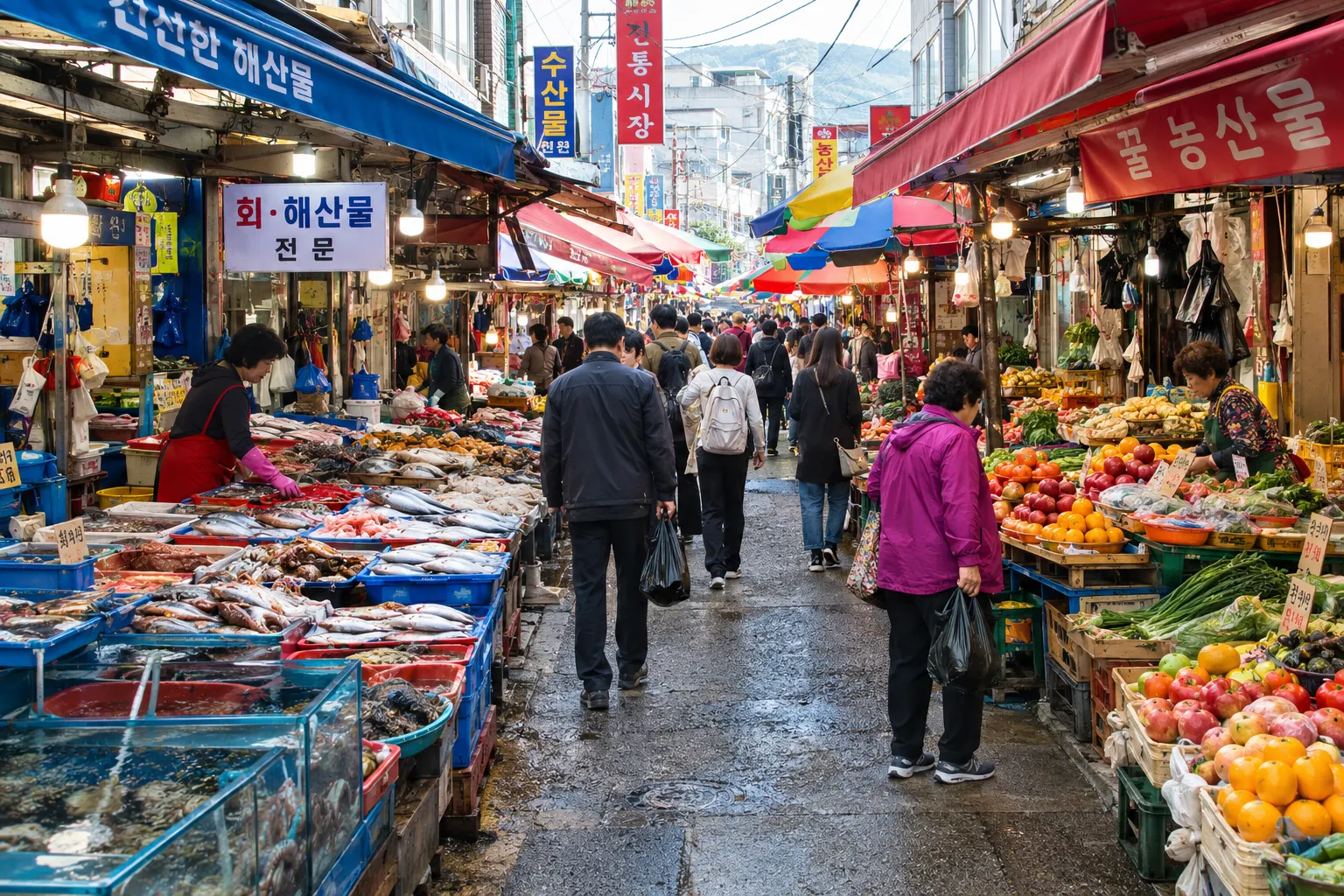
In Seoul, places connected to subway stations are especially attractive because they reduce outdoor walking time. Evening activities also become more appealing. The Han River, night markets, rooftop spaces and late cafes feel better after sunset, when the city is still warm but less intense.
Tips for living like a local in summer
The best way to handle a Korean summer is to plan around the heat rather than fight it. Go outside earlier in the morning when possible. Use the hottest part of the afternoon for indoor activities.
Carry water, a portable fan and a small umbrella. Choose breathable clothing and comfortable shoes. Do not pack too many outdoor stops into one day.
For travelers, the smartest summer itinerary is slower than a spring or autumn itinerary. Fewer stops, more breaks and better timing can make the whole trip feel more enjoyable.
Why this trend will keep growing
Korea’s cooling lifestyle is likely to become more visible every year. As summers become hotter, people will continue looking for products, habits and spaces that help them stay comfortable. That means more cooling fashion, more summer drinks, more indoor leisure, more energy-saving home products and more public discussion about heat safety.
For brands, this is a growing market. For residents, it is a practical lifestyle shift. For visitors, it is a simple lesson: summer in Korea is still enjoyable, but it needs a different rhythm.
Quick Summary
- Korea’s hot summers are changing how people shop, dress and plan their days.
- Portable fans, umbrellas, ice drinks and cooling clothes are now part of daily life.
- Convenience stores are useful places to cool down and buy summer essentials.
- Households are balancing air conditioning use with electricity-bill concerns.
- A slower, indoor-focused schedule works best during Korean heat waves.