Korean Address Format Explained: Why Foreigners Get Deliveries Wrong
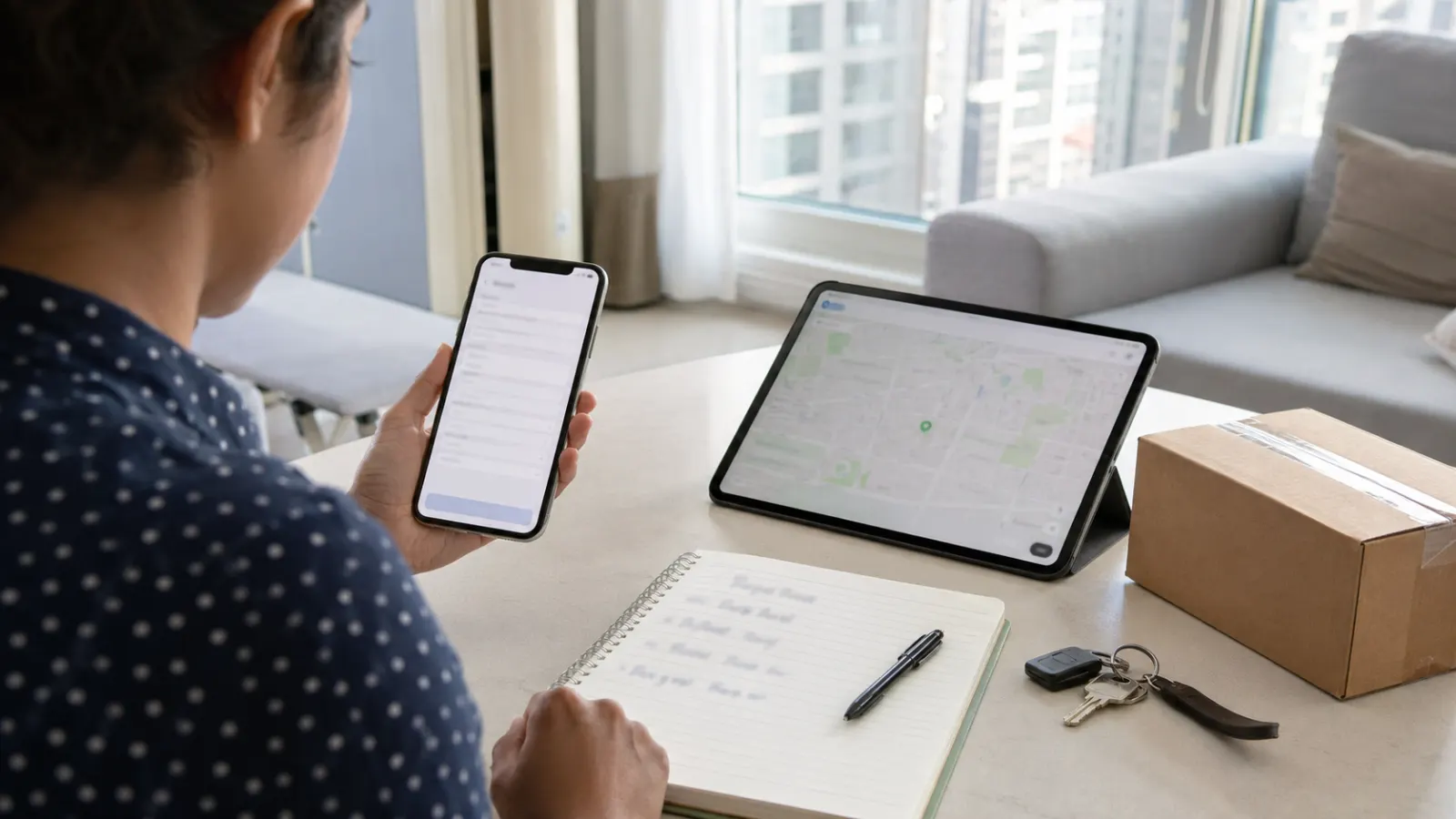
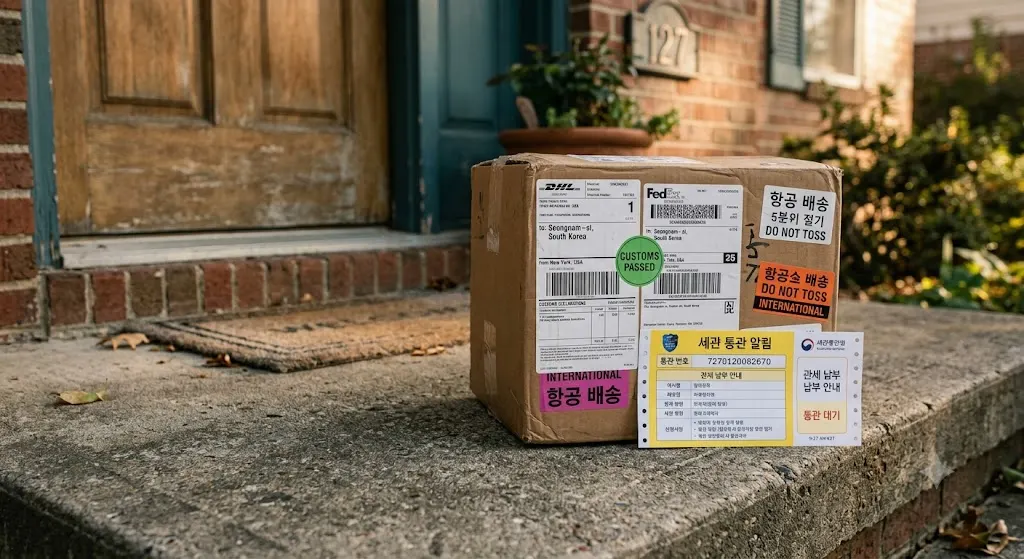
Ordering something in Korea can feel simple until the delivery form asks for a road-name address, building name, floor, unit number, postal code, phone number, and delivery memo. Foreigners who are used to shorter address systems often make small mistakes that lead to failed deliveries, confused drivers, or packages left in strange places.
Korean delivery is fast and efficient, but the address system has details that matter. If you live in an apartment, officetel, villa, goshiwon, dormitory, or short-term rental, learning your exact Korean address format can save a lot of trouble.
Why Korean addresses feel confusing
Korea uses structured addresses that may include city or province, district, neighborhood, road name, building number, building name, unit number, and postal code. Older land-lot style addresses may still appear in some situations, while road-name addresses are widely used for official and delivery purposes.
The confusing part is that foreigners may see several versions of the same address. A landlord may send one version. A map app may show another. A delivery app may auto-fill another. A government form may want the road-name version. A taxi driver may prefer the building name or nearby landmark.
The common misunderstanding is thinking that one English-style address is enough. In Korea, the Korean version is often more useful for deliveries, drivers, government forms, and local services.
Road-name address versus older address
Korean addresses may appear in road-name format or older lot-number format. The road-name format is generally more common in official systems, but many people still use building names, neighborhood names, or landmarks in everyday conversation.
For foreigners, the best approach is to save the full Korean road-name address and also know the building name. If you live in a large apartment complex or officetel, the building name and unit number are often essential.
A delivery driver may not care about your English translation. They need the Korean address that matches the navigation system.
Apartment and officetel unit numbers matter
In Korean apartments and officetels, the address may not be complete without building and unit details. A large complex can have several towers or buildings. A driver needs to know not only the complex name but also the building number, floor, and unit number.
For example, the delivery may need information similar to: building 101, unit 1203. If you only enter the complex name, the driver may call you or leave the package at a central office. If your Korean phone number is not working or you cannot answer in Korean, the delivery can fail.
The mistake point is assuming that the street address alone identifies your door. In dense Korean housing, it often does not.
Villas, goshiwons, and small buildings can be harder
Apartments and officetels often have clear building systems. Small villas, older buildings, share houses, goshiwons, and rooftop rooms can be more confusing because entrances may be hidden, unit numbers may not be obvious, and building names may not appear clearly on maps.
If you live in this kind of housing, your delivery memo becomes more important. You may need to write the entrance location, floor, door code instructions if appropriate, or a nearby landmark. Be careful with security information, though. Do not share sensitive door codes unless the building or delivery method requires it and you are comfortable with the risk.
If your address is difficult, ask your landlord or manager for the exact delivery-friendly address in Korean. They have probably explained it to drivers before.
Postal code is not optional
Some foreigners treat postal codes as an extra detail. In Korea, the postal code helps forms and systems match addresses correctly. Many Korean websites use postal code search tools where you enter part of the address and select the correct result.
If the postal code is wrong, the rest of the address may still look close but route incorrectly. For official documents, banking, immigration-related mail, online shopping, and phone contracts, accuracy matters.
Save your postal code with your full address in a note on your phone. Do not rely on memory.
Phone number and delivery calls
Korean delivery drivers often call or text when they cannot find the address, need entrance access, or want to confirm drop-off. If you do not have a Korean phone number, some services may be harder to use. If you have a number but cannot answer in Korean, prepare short Korean delivery phrases.
Useful delivery memo ideas include:
- Please leave at the door.
- Please leave at the security office.
- Please call if you cannot find the entrance.
- Building entrance is on the side street.
- Please use the main lobby.
- No doorbell, please leave outside.
Do not write long English explanations in a Korean delivery app if the driver may not understand them. A short Korean memo or translated phrase is usually more practical.
Name matching can affect official deliveries
For normal shopping packages, the address and phone number may matter most. For official documents, bank cards, immigration notices, registered mail, or phone-related deliveries, the recipient name may also matter.
If your name appears differently across platforms, the delivery or pickup process can become awkward. This is especially true for foreigners with long names, middle names, or different name order.
Use a consistent name format where possible. For official services, match the name on your residence card, bank account, or phone account depending on the service.
Short-term rentals need extra caution
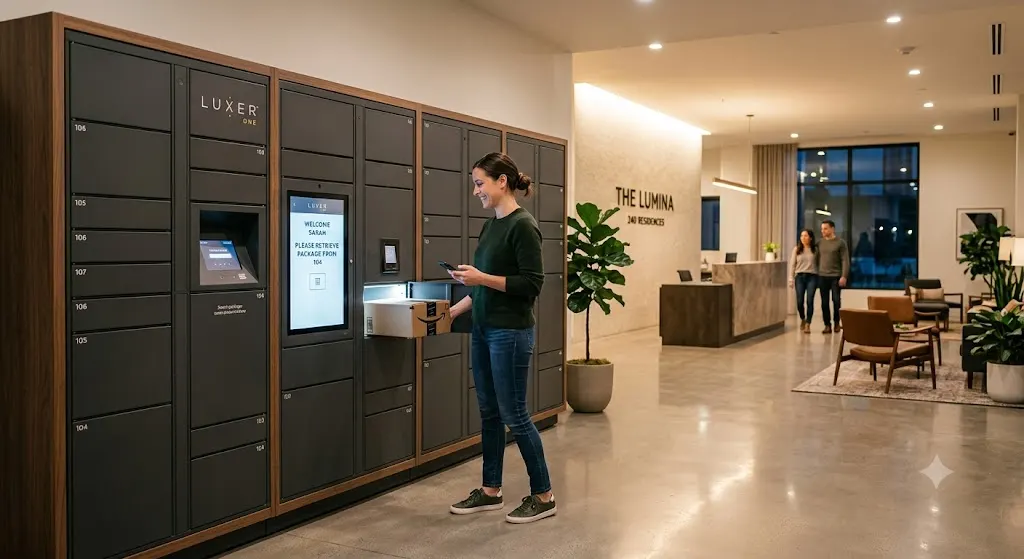
If you stay in a hotel, Airbnb-style accommodation, serviced residence, or guesthouse, do not assume you can receive packages freely. Some places accept packages at reception. Others refuse them. Some require the reservation name to match the parcel name. Some short-term buildings have no secure delivery area.
Before ordering anything, ask the host or front desk:
- Can I receive packages here?
- What address should I use?
- Should I include a room number?
- Can the front desk hold deliveries?
- What name should I write?
- Are food deliveries allowed?
- Where do drivers usually leave items?
This is especially important for expensive items, SIM cards, documents, or anything arriving after checkout.
How to save your Korean address properly
Foreign residents should create a saved address note in both Korean and English. The Korean version is for local use. The English version is for your own understanding or overseas forms.
Include:
- Postal code
- Province or city
- District
- Road-name address
- Building name
- Building or tower number
- Unit number
- Delivery memo
- Nearest subway station or landmark
- Landlord or building office contact, if needed
Take a photo of your building entrance, mailroom, and parcel area if it helps. This can be useful when explaining location to a delivery driver or friend.
A realistic way to avoid delivery problems
Korea’s delivery system is fast because it relies on precise addresses, phone communication, and local navigation. If one of those pieces is missing, the system becomes less smooth.
Before ordering, make sure your Korean address is complete, your phone number works, your delivery memo is short, and your building accepts parcels. If you live in a difficult building, ask someone local to check your first order.
Once your address is saved correctly, Korea’s delivery convenience becomes much easier to enjoy.
Quick Summary
- Korean delivery forms often need postal code, road-name address, building name, unit number, phone number, and memo.
- The Korean version of your address is usually more useful than an English translation.
- Apartments, officetels, villas, goshiwons, and short-term rentals may require different delivery details.
- Save your complete Korean address and a short delivery memo to avoid failed or delayed deliveries.