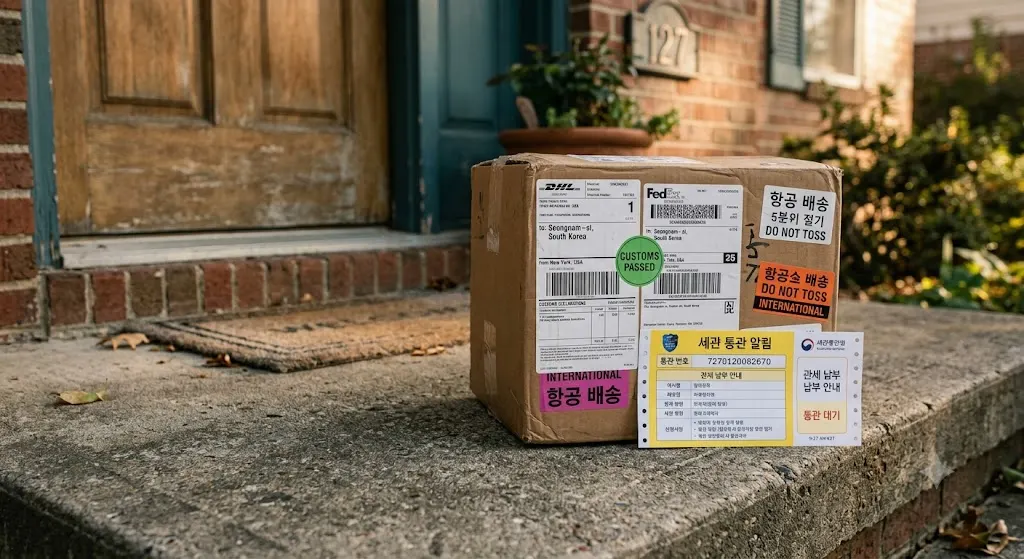
Why Korean Addresses Confuse Foreigners (And How the System Works)
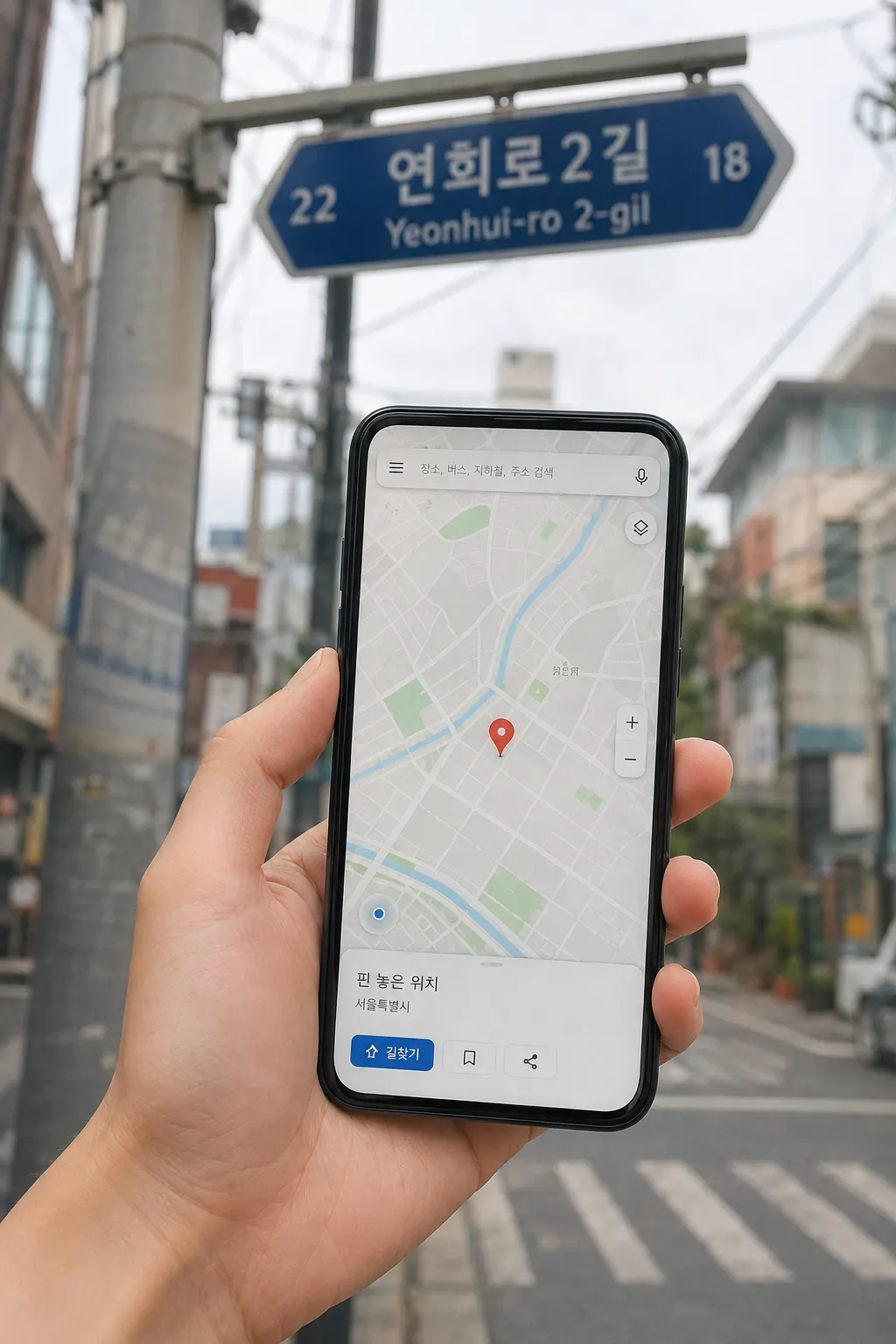
If you've handed a Korean address to a taxi driver or typed it into a delivery app and gotten a confused response, or noticed that the same building seems to have two different address formats depending on where you look it up, you've encountered one of Korea's genuinely confusing infrastructure quirks. Korea actually runs two parallel addressing systems simultaneously, and knowing which one to use, and when, makes daily logistics considerably smoother.
Here's how Korean addresses actually work, and why the confusion exists in the first place.
Two Systems, Same Country
Korea officially transitioned to a road-name address system (도로명주소) starting in 2014, replacing the older lot-number system (지번주소) as the standard for most official purposes. However, the older system never fully disappeared from everyday use, which is the core source of ongoing confusion.
- Road-name addresses work similarly to Western address systems, a named street with sequential building numbers along it, designed to be more intuitive for navigation and consistent with international addressing conventions.
- Lot-number addresses are based on a parcel numbering system tied to land divisions rather than streets, older, less intuitive for navigation, but still commonly used in casual conversation, on some business signage, and occasionally on older documents or listings.
- Many Koreans, particularly older residents, still default to lot-number addresses or landmark-based directions in everyday speech, even though road-name addresses are now the official standard for mail, deliveries, and most digital services.
Why This Matters for Foreign Residents Specifically
Both systems can technically get you to the same physical location, but using the wrong one, or an incomplete version, in the wrong context causes real friction:
- Delivery apps and government registration generally expect the official road-name address format, using an outdated or informal lot-number version can cause registration or delivery issues.
- Taxi drivers and older residents sometimes navigate more intuitively using landmark references or lot-number addresses rather than road names, especially outside major city centers, meaning the "correct" official address doesn't always translate smoothly into spoken directions.
- Building and floor details matter more in Korea than the base address alone, since many addresses correspond to multi-unit buildings, officetels, or shopping complexes, providing the specific floor, unit number, and sometimes a landmark or building name alongside the formal address significantly improves navigation success, particularly for delivery and ride-hailing services.
How to Actually Navigate This as a Foreigner
- Use Korean map apps rather than international ones for anything address-critical. Naver Map and Kakao Map have significantly more accurate and complete Korean address data than Google Maps, which has historically had more limited functionality in Korea due to regulatory restrictions on detailed mapping data export.
- Save your home address in Korean, in the app you'll actually use for taxis and delivery, rather than relying on typing an English transliteration each time, which can produce inconsistent or failed results depending on the app.
- Keep both address formats accessible if possible, particularly useful if you're dealing with older paperwork, a landlord accustomed to the lot-number system, or explaining your location to someone using informal, landmark-based directions.
- Include building name and floor/unit number, especially for officetels or larger complexes, since these often matter more for successful delivery and navigation than the base street address alone.
Common Confusions Foreigners Run Into
- Assuming Google Maps works as well in Korea as it does elsewhere. Due to specific regulatory restrictions on map data, Google Maps has historically had limited turn-by-turn navigation and less complete business or address data within Korea compared to Naver Map or Kakao Map, most long-term foreign residents switch to a Korean map app relatively quickly for this reason.
- Providing only the street-level address without unit or floor details for deliveries or ride pickups in dense, multi-building areas, leading to delivery confusion or a driver unable to locate the exact entrance.
- Assuming a landmark-based direction from a Korean friend or coworker translates directly to a formal address, sometimes it's worth asking for the actual road-name address separately if you need to enter it into an app or official form.
- Not updating registered addresses across multiple systems when moving. Immigration, banking, delivery apps, and subscription services don't automatically sync, updating your address in one place doesn't mean it's updated everywhere else.
Why the Dual System Persists
Korea's transition to road-name addressing was a significant infrastructure project, but changing decades of ingrained habit, especially among older residents and in areas where the lot-number system still appears on physical signage, takes longer than switching the official standard alone. For foreign residents, this mostly means staying flexible, using the correct road-name format for anything official or digital, while understanding that spoken directions and informal references might not always match it exactly.
Quick Summary
- Korea runs two parallel address systems, road-name addresses (the current official standard) and older lot-number addresses, which still persist in everyday informal use.
- Delivery apps, official registration, and most digital services expect the road-name format, while spoken directions and older references sometimes default to lot numbers or landmarks instead.
- Naver Map and Kakao Map are significantly more reliable for Korean addresses than Google Maps, due to Korea-specific regulatory restrictions on detailed map data.
- Including building name, floor, and unit number alongside the base address meaningfully improves delivery and navigation accuracy, especially in dense, multi-building areas.