How Korean Convenience Store Culture Differs From Other Countries
If you've stepped into a Korean convenience store expecting a quick stop for gum and a drink, and instead found seating areas, hot food counters, ATMs, and package pickup services, you've noticed something genuinely different about how these stores function here compared to convenience stores in many other countries. In Korea, they operate closer to a small neighborhood hub than a simple corner shop, and understanding what's actually available changes how useful they become in daily life.
Here's what makes Korean convenience store culture distinct, and what foreign residents often don't realize is available.
More Than a Quick Stop
Korea's major convenience store chains, CU, GS25, 7-Eleven, and Emart24, are dense even by convenience-store standards internationally, often just a short walk apart from each other in urban areas. This density, combined with the range of services offered, makes them function as a genuine daily utility rather than an occasional stop.
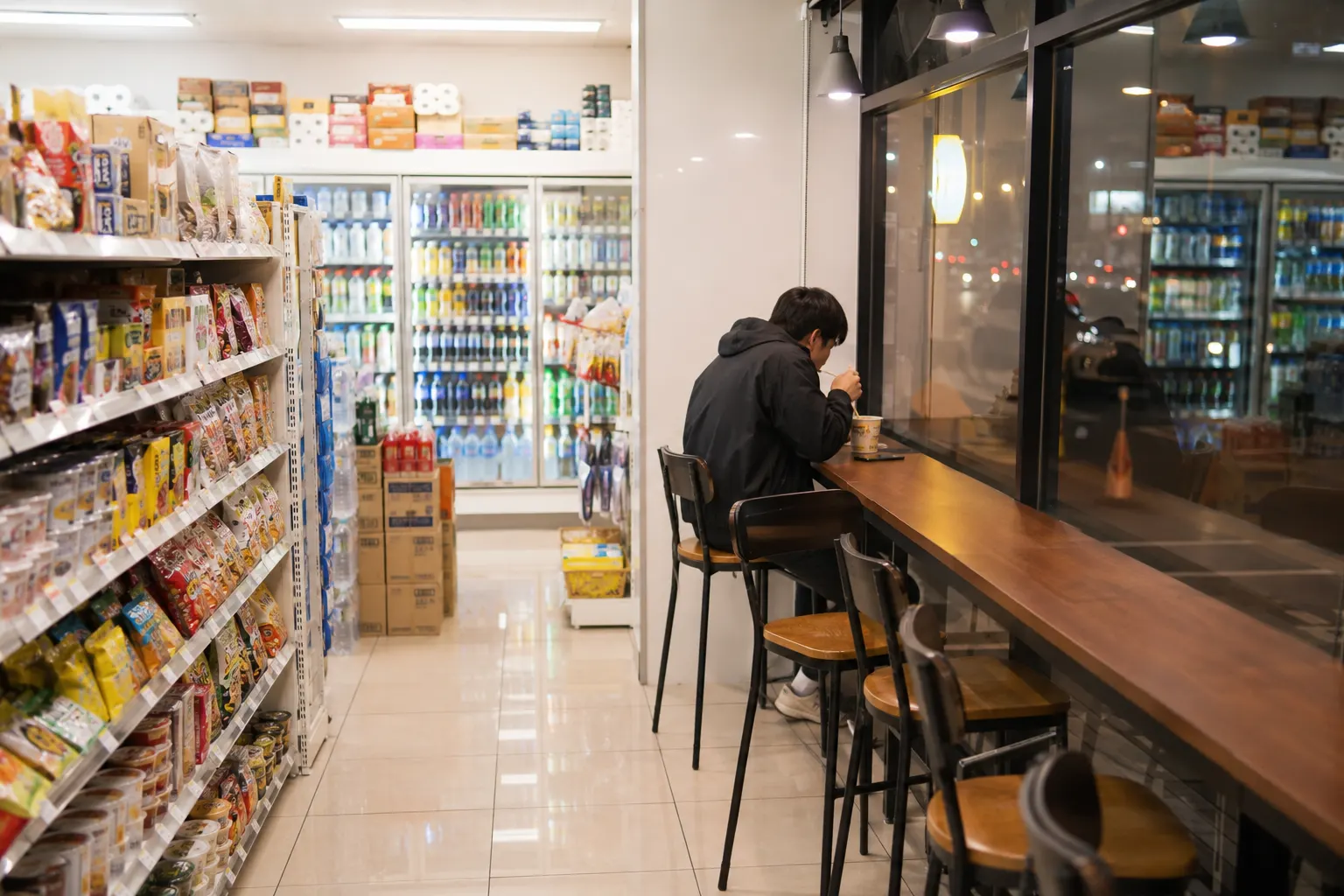
- In-store seating, often with a window counter or small table area, common enough that eating a quick meal or snack at the store itself is a normal, unremarkable thing to do, not unusual behavior.
- Hot food and instant meal stations, including hot water dispensers for instant noodles and microwaves for heating pre-packaged meals, meaning a genuinely hot meal is available at nearly any hour without needing a restaurant.
- ATM access, most locations have an ATM, useful particularly late at night when bank branches are closed.
Package and Delivery Integration
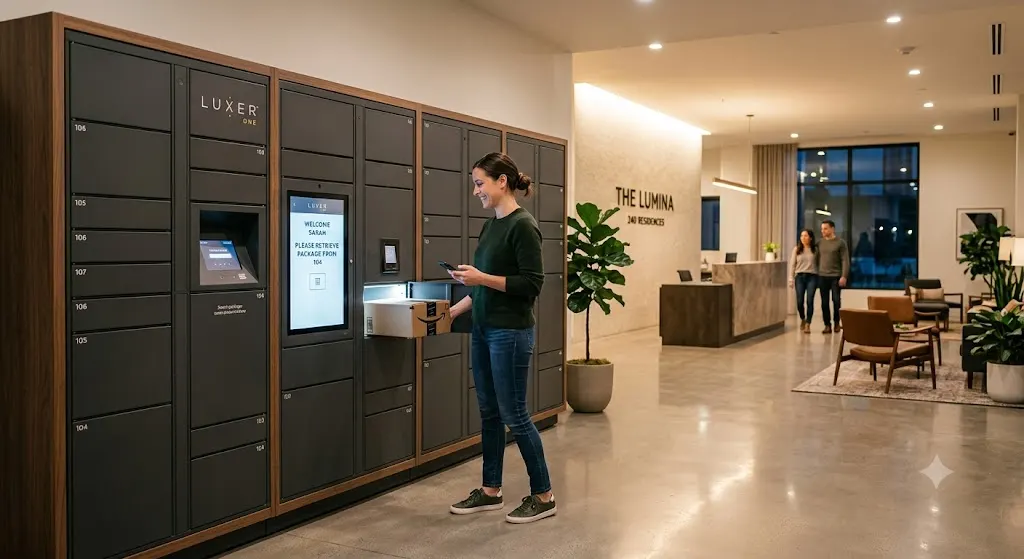
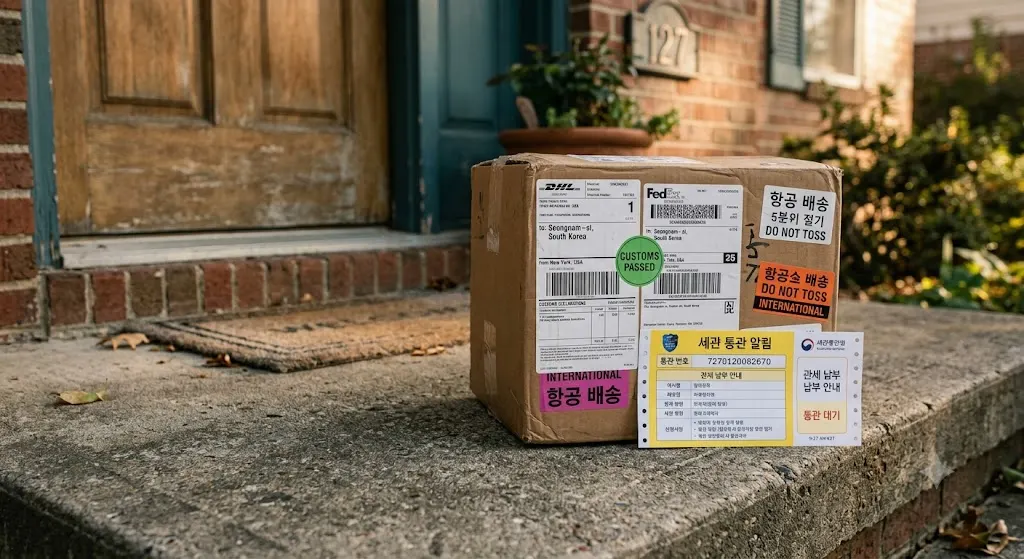
A distinct feature for foreign residents specifically: convenience stores in Korea function as informal package pickup and drop-off points for various delivery and e-commerce services.
- Some delivery services allow package pickup at a designated convenience store locker or counter rather than requiring direct-to-door delivery, useful if you're not reliably home during typical delivery hours.
- Certain e-commerce platforms integrate convenience store pickup as a delivery option directly within checkout, worth checking if your building has delivery access issues or you're frequently away from home during the day.
What You Can Actually Buy Beyond Snacks
- Basic over-the-counter medication, a limited range, primarily pain relievers and similar basic items, is legally sold at convenience stores in addition to pharmacies, though the selection is much narrower than what a pharmacy carries.
- Bill payment services, some utility and phone bills can be paid directly at convenience store counters, a useful option if you haven't set up autopay yet or prefer paying in person.
- Ticket and reservation services, certain concert, event, or transportation reservations can sometimes be completed or picked up through convenience store kiosk terminals.
- T-money card purchase and reload, convenience stores are one of the most common places to buy or top up a transit card, alongside subway stations.
Common Misunderstandings
A frequent assumption among new arrivals is that Korean convenience stores are essentially the same as convenience stores elsewhere, just smaller versions of a supermarket. In practice, the combination of extended or 24-hour operating hours, hot food access, bill payment, and delivery integration makes them function much closer to a genuine daily errand hub than a simple snack stop, part of why they're used so frequently by Korean residents of all ages, not just for emergency purchases.
Another common misunderstanding involves assuming all locations offer identical services, in practice, seating availability, ATM presence, and specific service integrations vary by individual store and chain, a smaller or older location might lack the seating or full service range of a newer, larger one nearby.
Price and Value Considerations
Convenience store pricing in Korea, while generally reasonable, isn't always the cheapest option compared to a larger supermarket or discount retailer for the same items, particularly for household goods bought regularly.
- For occasional, small purchases or late-night needs, convenience stores are genuinely cost-effective given the convenience and availability.
- For regular grocery shopping or bulk household items, a supermarket or discount store like a hypermarket chain often offers meaningfully better per-unit pricing, worth reserving convenience stores for their actual convenience use case rather than routine larger grocery runs.
- Many convenience stores run frequent promotional deals (buy-one-get-one, discounted combos) on specific items, checking current in-store promotions before assuming standard shelf pricing applies can save a meaningful amount over time for frequent shoppers.
Quick Summary
- Korean convenience stores function closer to a daily utility hub than a simple snack stop, with in-store seating, hot food, ATMs, and bill payment commonly available.
- Package pickup and delivery integration through convenience stores is a genuinely useful option for residents with unreliable direct-to-door delivery access.
- Service availability (seating, ATMs, specific integrations) varies by individual store and chain, not every location offers the full range.
- For routine grocery shopping, a supermarket or discount retailer generally offers better value, convenience stores are most cost-effective for their actual convenience use case.