Korean Parcel Delivery and Pickup: What Foreign Residents Should Know
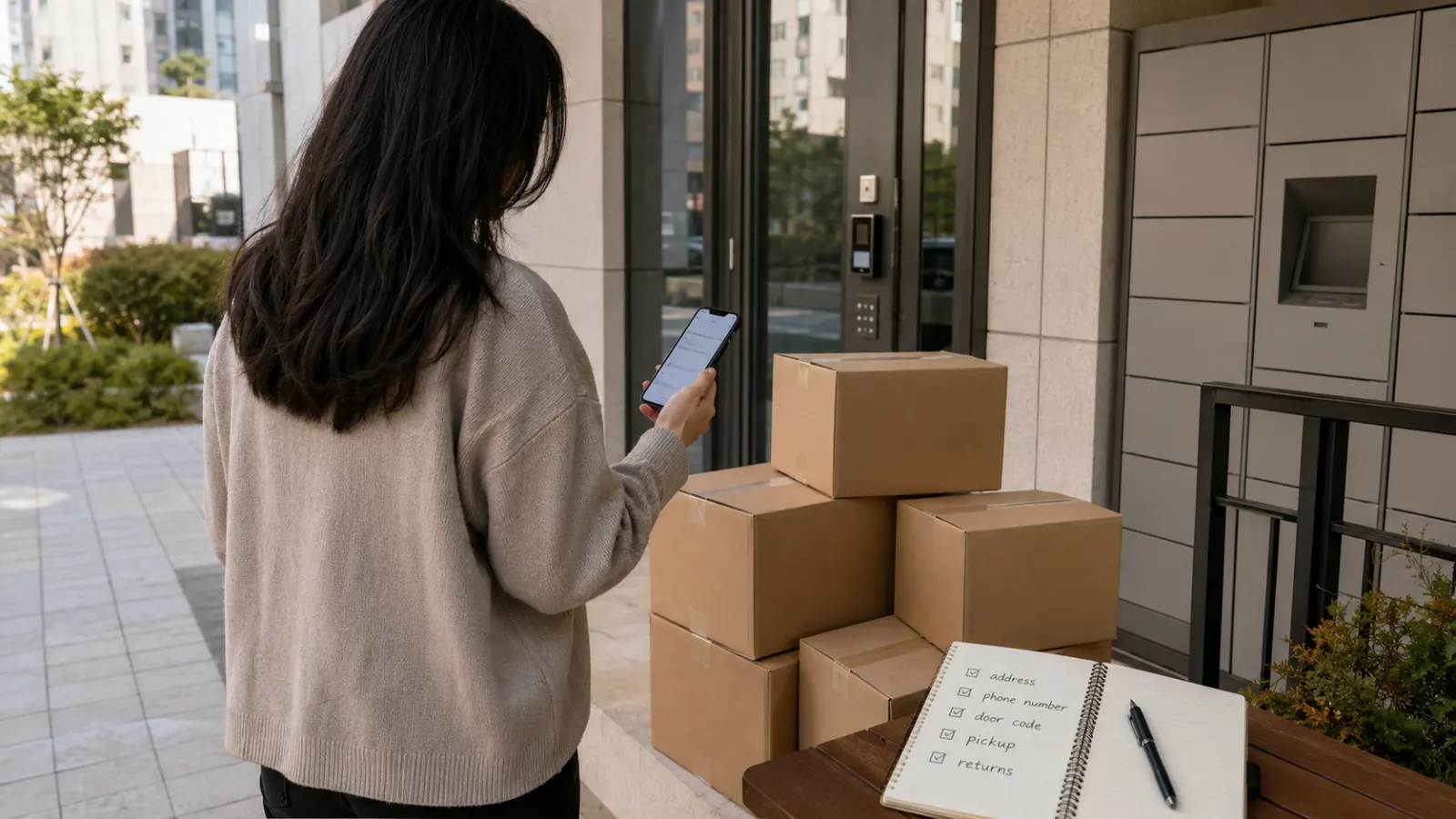
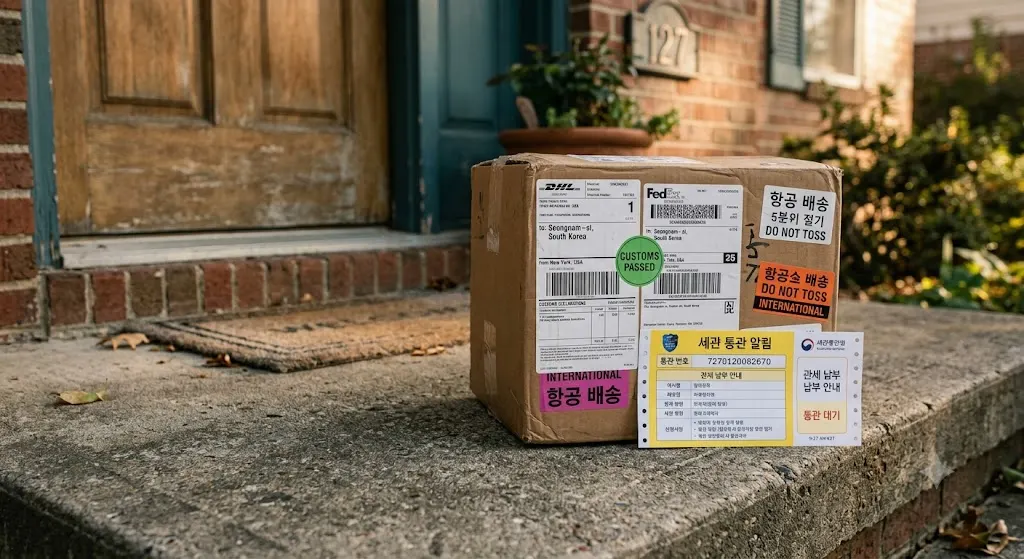
Ordering something online in Korea can feel incredibly fast. A package may arrive the next morning, a delivery driver may leave it at your door, and your phone may receive a message before you even check the tracking page. But for foreign residents, the system can also be confusing: Korean address formats, door codes, delivery messages, pickup boxes, return labels, and name matching can all create friction.
Korea’s parcel delivery culture is convenient, but it works best when your address, phone number, and delivery instructions are clear.
Why delivery is so central to daily life
Korea has a dense online shopping and delivery culture. People order groceries, cosmetics, clothes, electronics, pet supplies, furniture, household items, meal kits, and daily necessities online. Fast parcel delivery is part of everyday life, not a luxury service.
For foreign residents, this can be helpful because it reduces the need to carry heavy items or visit multiple stores. But it also means you need to understand how Korean delivery systems read addresses and contact customers.
If your information is slightly wrong, a package may still arrive, but it may also be delayed, returned, or left somewhere confusing.
Korean addresses need exact details
A Korean delivery address should be written clearly and completely. The building name, road address, room number, and postal code all matter. If you live in an apartment or officetel, include:
- Postal code
- Full road address
- Building name, if needed
- Building number
- Apartment or room number
- Recipient name
- Korean phone number
- Delivery instructions, if needed
Many foreigners make the mistake of entering only the building address without the unit number. This can be a serious problem in large apartment complexes, officetels, goshiwons, or share houses.
Save your address in Korean exactly as your landlord, building office, or lease provides it. Do not translate it freely into English for Korean shopping sites.
Phone numbers are part of delivery
Delivery drivers often use phone messages, calls, or app notifications to confirm delivery details. If your number is foreign, inactive, data-only, or unable to receive Korean text messages, you may miss important updates.
A Korean phone number makes delivery much smoother. It can help with tracking, driver contact, return pickup, apartment access, customer service, and identity verification on shopping platforms.
This does not mean tourists cannot receive packages, but long-term residents should treat a working Korean phone number as part of the delivery system.
If you do not speak Korean well, prepare a simple message in Korean for drivers. For example, you may need to say that the package can be left at the door, at the security office, or in the parcel locker.
Door delivery and security offices
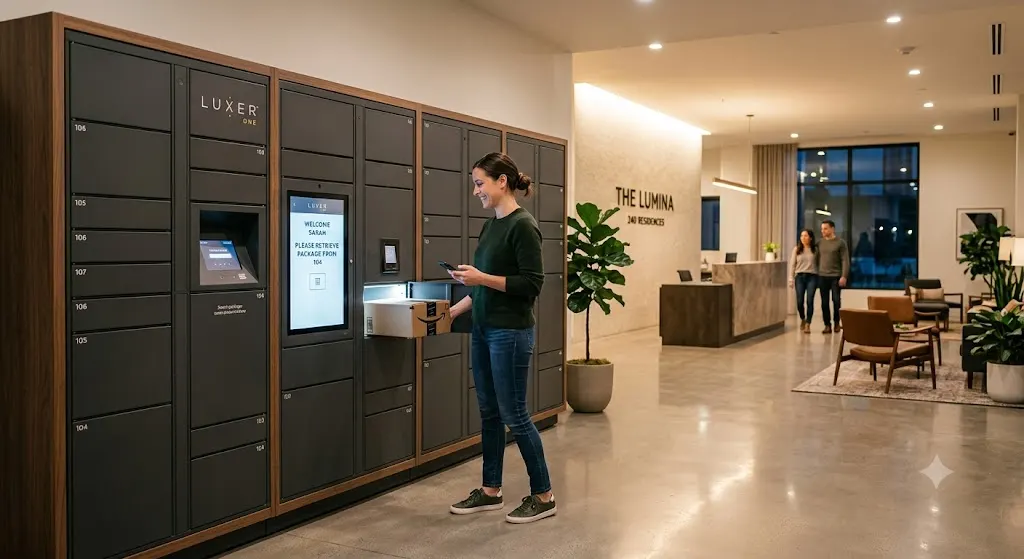
Many Korean apartment buildings allow packages to be left outside the door, in a lobby area, at a security office, or in a parcel storage area. Officetels may have parcel lockers or front-desk systems. Villas and older buildings may have less formal arrangements.
This convenience can surprise foreigners from countries where unattended packages are risky. In Korea, door delivery is common, but you should still be careful with valuable items. If your building has a security office, ask how packages are handled. If there is a parcel locker, ask whether you need a code, app, or phone message to retrieve items.
The delivery location may vary by building, driver, package size, and time of day.
Pickup lockers and convenience stores
Some services allow pickup through lockers or convenience stores. This can be useful if you are rarely home, live in a building where delivery is difficult, or do not want packages left outside your door.
However, pickup systems can require Korean phone verification, app access, QR codes, or text messages. If your phone setup is weak, pickup may become more difficult than home delivery.
Before choosing a pickup option, check whether you can receive the code or notification required to collect the package. Pickup is convenient only if the system recognizes you.
Returns can be more confusing than delivery
Receiving a package is usually easier than returning it. Returns may require a pickup request, return label, courier selection, app-based return process, or customer service message.
The return process depends on the shopping platform and seller. Some returns are collected from your door. Others require you to send the item through a courier, convenience store, or post office.
Before buying expensive or size-sensitive items, check the return policy. This is especially important for clothing, shoes, furniture, electronics, and imported goods. Useful questions include:
- Is return shipping free?
- How many days do I have to return it?
- Will a courier pick it up?
- Do I need to print a label?
- Can I return it if the package is opened?
- Is customer service available in English?
A cheap product can become expensive if returning it is difficult.
Furniture and large-item delivery
Large items are different from small parcels. Furniture, appliances, mattresses, desks, and chairs may require scheduled delivery, elevator access, installation, or disposal of old items.
If you live in an officetel, villa, or apartment with parking restrictions, the delivery team may need clear instructions. Large-item delivery may also require someone to be home. Before ordering, check:
- Delivery date options
- Installation availability
- Elevator size
- Building access
- Old item disposal
- Extra floor-carrying fees
- Return cost if the item does not fit
The biggest mistake is ordering furniture based only on room size. You also need to check whether it can physically enter the building and room.
Foreign names and platform accounts
Some Korean shopping platforms may require name matching, local phone verification, or domestic payment methods. Even when delivery itself is easy, account setup can be difficult. If your name appears differently on your residence card, phone account, bank card, and shopping account, verification may fail. This is a repeated issue in Korea’s digital systems.
For smoother online shopping, keep your legal name format consistent where possible, use a Korean phone number that supports verification, and save your address correctly in Korean.
A practical delivery setup for residents
If you are staying in Korea for more than a few months, build a basic delivery setup.
Save your Korean address. Keep your phone number active. Learn your building’s parcel rules. Prepare simple Korean delivery instructions. Know where packages are usually left. Check return methods before buying expensive items.
If you live in a dormitory, goshiwon, or share house, ask staff how deliveries should be addressed. Some buildings require the room number, floor, resident name, or special pickup location.
Do not assume the driver will know where to put your package just because the address is technically correct.
Quick Summary
- Korean parcel delivery is fast and convenient, but exact Korean address details matter.
- A working Korean phone number helps with driver contact, tracking, lockers, and returns.
- Building rules differ: packages may go to your door, security office, lobby, or parcel locker.
- Check return rules before buying furniture, clothing, electronics, or expensive items online.