How Korean Beauty and Skincare Shopping Actually Differs From Abroad
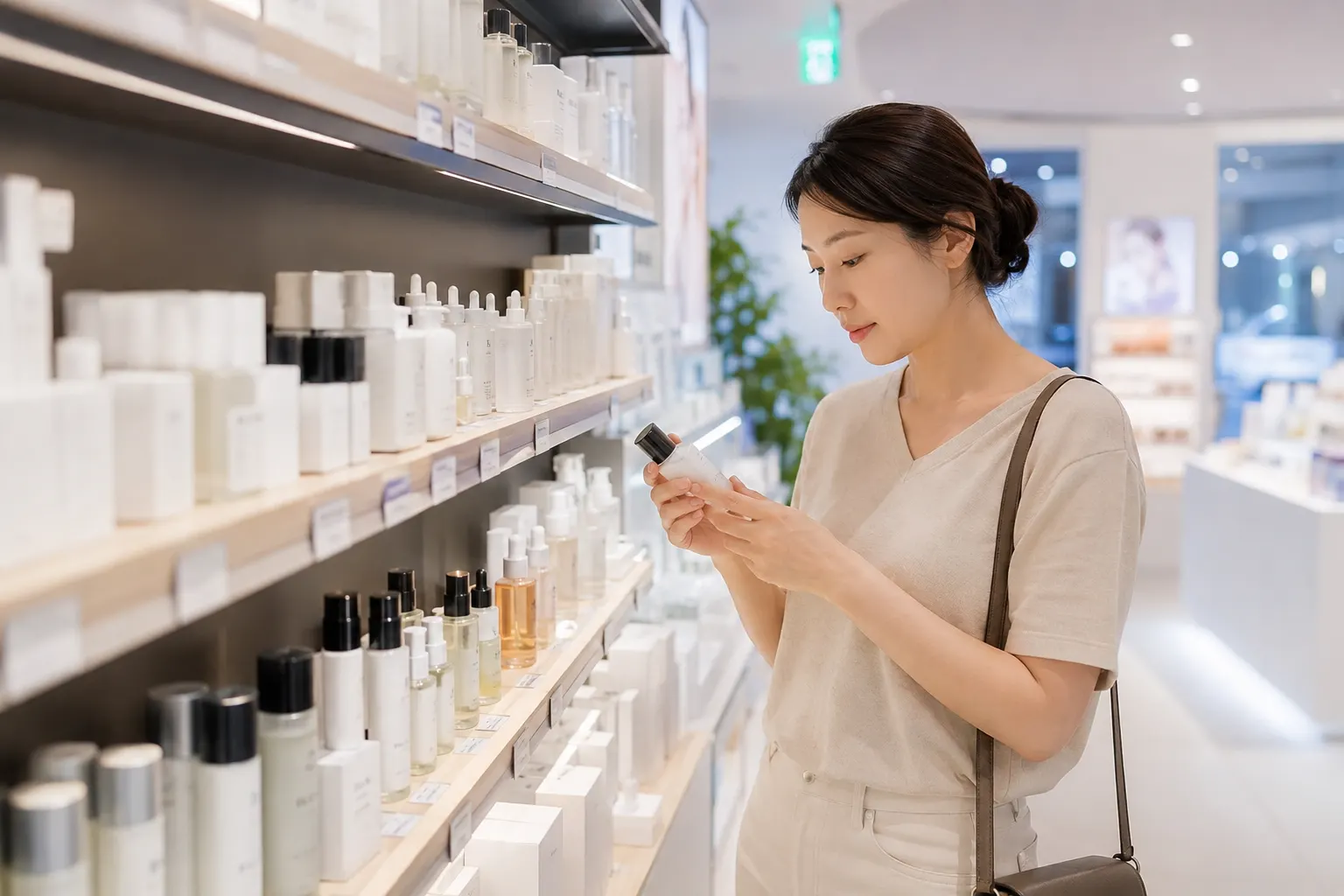
If you've walked into a Korean beauty store expecting to quickly grab a few well-known items and instead found an overwhelming wall of near-identical serums, essences, and ampoules with ingredient names you don't recognize, you're experiencing the gap between Korea's actual skincare culture and the simplified version that reaches international markets. Understanding the underlying logic, not just the trending products, makes shopping here considerably more useful than following a viral list alone.
Here's how Korean skincare shopping actually works, and what tends to confuse first-time buyers most.
The Layering Philosophy Behind the Product Range
Korean skincare culture is built around a multi-step layering approach, using several thinner, more targeted products in sequence rather than fewer, more concentrated all-in-one products common in some other markets, this explains the sheer product range you'll encounter in-store.
- Toners and essences function as hydrating, prepping steps rather than simply an astringent cleanup step, a common point of confusion for shoppers used to a different regional skincare tradition.
- Ampoules and serums are typically more concentrated, targeted treatments layered after essence, addressing specific concerns, brightening, hydration, specific active ingredients, rather than a single general-purpose product.
- Sunscreen is treated as a genuinely essential daily step in Korean skincare culture, not an optional summer-only addition, Korean sunscreen formulations are generally lighter and more cosmetically elegant than some international counterparts, part of why they've become popular exports themselves.
What Actually Makes a Product "Korean Skincare" vs. Marketing
A common misunderstanding among foreign shoppers is assuming any product sold at an Olive Young or similar Korean beauty retailer represents genuine, dermatologist-recommended local skincare wisdom. In practice, Korean beauty retail, like beauty retail anywhere, includes a real mix of scientifically formulated, well-regarded products alongside heavily marketed items whose actual efficacy is more modest than the packaging suggests.
- Ingredient-focused shopping, checking actual active ingredients rather than relying solely on packaging claims or trending status, tends to produce better results than buying based on social media virality alone.
- Korean regulatory standards for cosmetics are generally considered reasonably rigorous, but this doesn't mean every individual product is equally effective, brand reputation and ingredient transparency vary considerably even within the Korean market.
- Price doesn't always correlate with efficacy the way it might with some Western luxury beauty brands, some of Korea's most well-regarded, effective products are priced quite affordably compared to prestige skincare brands elsewhere.
Where to Actually Shop
- Olive Young is the dominant multi-brand Korean beauty retail chain, offering the widest single-location selection and frequent promotional sales, a reasonable default starting point for browsing and testing products in person.
- Brand-specific flagship stores, particularly in areas like Myeongdong or Hongdae, offer a deeper dive into specific brands and sometimes exclusive or limited product lines not available at multi-brand retailers.
- Dermatology clinic-affiliated skincare lines, sold both in clinics and sometimes through general retail, represent a distinct category, often more clinically formulated and marketed toward specific treatment needs rather than general beauty retail browsing.
- Duty-free and airport shopping, popular among tourists, often carries different pricing and promotional structures than domestic retail, worth comparing before assuming duty-free is automatically the best value.
Common Mistakes Foreign Shoppers Make
- Buying an entire viral routine without patch-testing individual products first, particularly risky when introducing several new active ingredients simultaneously, since identifying which specific product causes irritation becomes difficult if everything changes at once.
- Assuming Korean skincare products work identically regardless of your actual skin type and climate, Korea's climate and common skin concerns don't perfectly match every visitor's home climate or skin type, some products beloved for Korea's specific humidity and seasonal patterns may not translate identically elsewhere.
- Overbuying multi-step products without understanding the actual sequence and purpose of each, ending up with a shelf of expensive products used inconsistently or incorrectly rather than a smaller, well-understood routine used consistently.
- Ignoring expiration dates and product turnover, some heavily discounted items at retail may be closer to expiration, worth checking dates particularly on promotional deals that seem unusually generous.
Building a Routine That Actually Fits You
Rather than replicating an influencer's exact routine, considering your own skin type, climate exposure, and specific concerns, then building a simpler routine around a few well-chosen, well-understood products tends to produce better results than an elaborate multi-step routine adopted wholesale without understanding why each step exists. Korean beauty retail staff, particularly at larger Olive Young locations, are often reasonably knowledgeable and can offer guidance if you describe your specific skin concerns, even with a language barrier, pointing at concerns or using a translation app tends to work well enough for practical in-store guidance.
Quick Summary
- Korean skincare culture is built around a multi-step layering philosophy, explaining the wide product range you'll encounter, rather than each product being redundant or unnecessary.
- Not every product at a Korean beauty retailer represents proven efficacy, checking actual ingredients rather than relying solely on marketing or viral popularity produces better shopping outcomes.
- Olive Young offers the widest single-location selection, while brand flagship stores and dermatology-affiliated lines serve more specific shopping needs.
- Patch-testing new products individually, rather than adopting an entire viral routine at once, helps identify what actually works for your specific skin rather than risking irritation from multiple new actives simultaneously.