Korean University Dormitories: What International Students Should Check Before Moving In
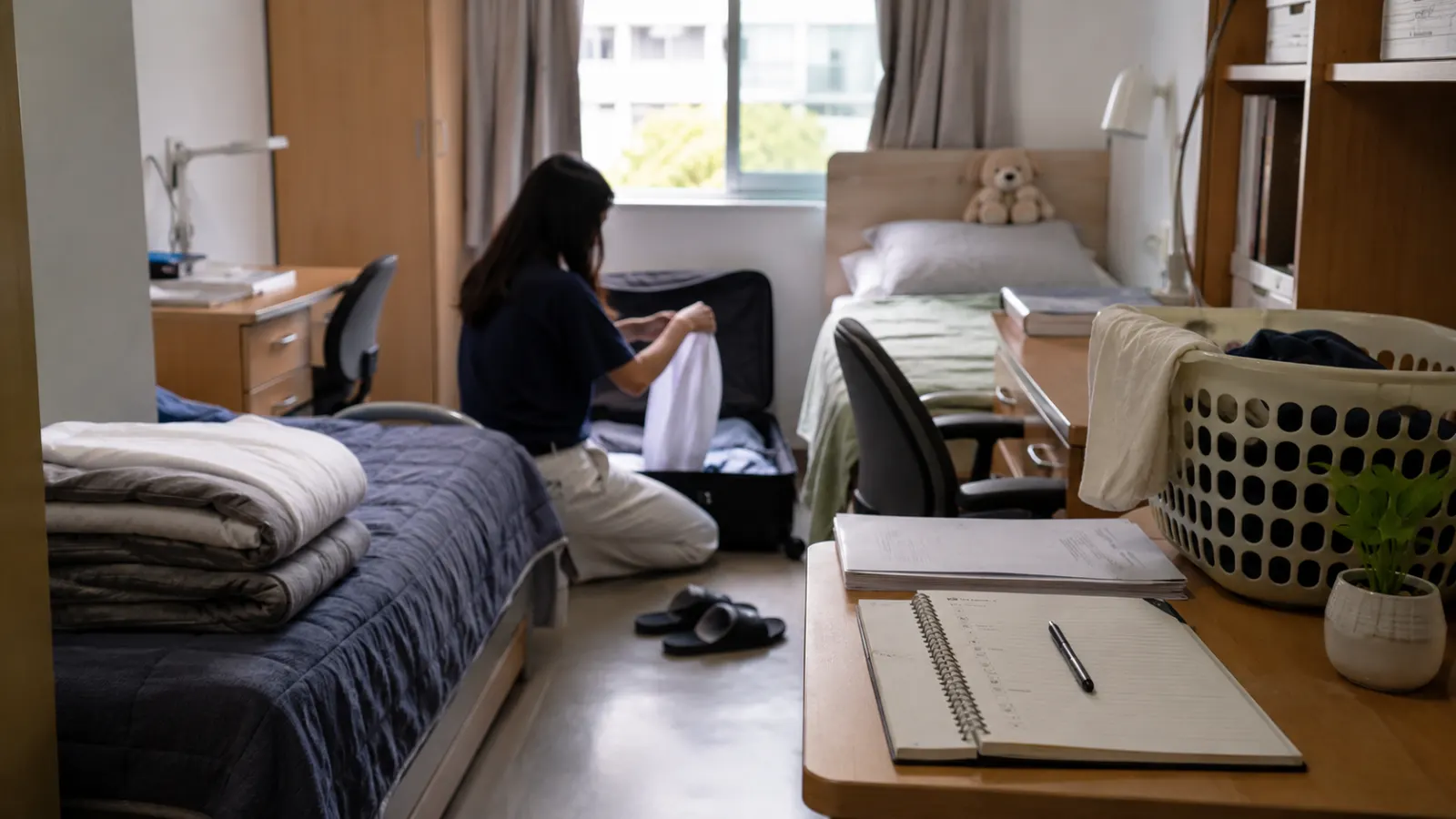
A university dormitory can look like the easiest housing option for an international student in Korea. It is usually close to classes, does not require a large private rental deposit, and may include furniture, internet, security, and basic utilities. The surprise often comes after admission: getting accepted to the university does not always guarantee a dorm room, and dormitory life may involve curfews, inspections, shared bathrooms, meal plans, move-out deadlines, and strict visitor rules.
Before choosing campus housing, students should compare the full living arrangement rather than focusing only on the room price.
Admission and housing are usually separate
A university admission letter does not necessarily reserve accommodation.
Dormitory applications may open through a different portal and follow a separate schedule. Housing can be assigned according to application time, scholarship status, exchange agreements, distance from campus, academic level, or other university criteria.
Students should check:
- Dormitory application opening and closing dates
- Whether housing is guaranteed
- Required deposit
- Payment deadline
- Cancellation and refund rules
- Room-assignment date
- Move-in period
- Waiting-list procedure
- Vacation housing availability
Do not wait for the university to send repeated reminders. A short dormitory application period can close while students are still preparing visa documents. Apply as early as the rules allow, but read the cancellation policy before paying.
Room types vary widely
The word “dormitory” does not describe one standard room. Possible arrangements include:
- Single room
- Double room
- Three- or four-person room
- Private bathroom
- Bathroom shared between two rooms
- Shared floor bathroom
- Apartment-style unit
- Separate international-student building
- Mixed domestic and international housing
- Gender-separated floors or buildings
A private bedroom does not always mean a private bathroom. A modern-looking building may still use communal showers. Another dorm may provide a private bathroom but little storage or desk space.
Request recent room photographs, a floor plan, and a list of included furniture. Promotional photographs may show only one renovated room type.
Curfews and entry systems
Some Korean university dormitories control late-night entry. Others allow entry at any time but record access through a card, fingerprint, mobile app, or front desk. Ask:
- Is there a curfew?
- Are students locked out after a certain time?
- Is late entry recorded?
- Must overnight absence be reported?
- Are there penalties for repeated late return?
- Does the rule change during exams or vacations?
- How is emergency entry handled?
A student planning evening work, late laboratory sessions, nightlife, or frequent weekend travel should understand these restrictions before accepting the room. Do not assume that a dorm near central Seoul operates like an ordinary apartment.
Visitor and overnight guest rules
Many dormitories restrict access by non-residents. A friend may be allowed in the lobby but not in the room. Opposite-gender visitors may be restricted from residential floors. Overnight guests are commonly prohibited. These rules can also apply to parents or friends helping on move-in day.
Before arrival, check:
- Who may enter the building
- Whether visitors need registration
- Visiting hours
- Move-in helper limits
- Delivery-driver access
- Family visit rules
- Guest-room availability
Breaking visitor rules can lead to warnings, penalty points, or removal from the dormitory depending on the institution.
What is included in the fee?
Dormitory prices should be compared with private housing only after identifying what is included. The fee may cover:
- Furniture
- Electricity
- Water
- Heating
- Air conditioning
- Internet
- Building security
- Cleaning of common areas
- Bedding
- Meal plan
- Laundry access
- Maintenance
However, some items may cost extra.
Laundry machines may require payment. Air conditioning may operate only during designated months. Electricity may be limited or separately billed. Bedding may need to be purchased or rented. A mandatory meal plan can increase the total cost even when you rarely eat on campus.
Ask for a complete semester cost, including deposit, meals, bedding, and vacation extensions.
Shared bathrooms and kitchens
Shared facilities require more adjustment than the room itself. Check whether the dormitory provides:
- Toilet paper
- Shower partitions
- Hair dryers
- Cleaning supplies
- Refrigerators
- Microwave ovens
- Cooking facilities
- Drinking-water dispensers
- Dish storage
- Personal food lockers
Some dormitories do not allow cooking inside rooms or even in common areas. Electric kettles, rice cookers, heaters, candles, and other appliances may be prohibited for safety reasons.
If you have dietary restrictions, confirm whether you can store and prepare appropriate food. A dormitory meal plan is not always flexible enough for allergies, religious diets, or strict vegetarian requirements.
Roommate expectations
A roommate can affect the experience more than the building. Universities may assign roommates randomly or ask students to complete a lifestyle questionnaire. Roommate requests may be allowed but not guaranteed. Discuss practical issues early:
- Sleep schedule
- Alarm clocks
- Lighting
- Cleaning
- Air conditioning
- Heating
- Food storage
- Phone calls
- Guests
- Study habits
- Shared purchases
- Noise
Do not wait until frustration becomes a formal complaint. If a serious conflict occurs, ask about the room-change process. Some dormitories permit changes only after mediation or during a limited period.
Inspections and penalty systems
Dormitories may inspect rooms for cleanliness, safety, prohibited appliances, smoking, or unauthorized residents. Students may receive penalty points for:
- Smoking
- Noise
- Alcohol
- Unregistered guests
- Fire-risk appliances
- Failure to follow cleaning rules
- Damage
- Missed mandatory meetings
- Improper waste disposal
- Curfew violations
A large number of penalty points can affect continued residence. Read the dormitory handbook, even when it is long or available only in Korean. Translate sections dealing with expulsion, deposits, prohibited items, and damage charges.
Move-in preparation
Do not buy everything before seeing the room. Useful items may include:
- Mattress cover
- Bedding
- Towels
- Shower basket
- Slippers
- Laundry bag
- Power strip, if permitted
- Storage boxes
- Clothes hangers
- Small cleaning supplies
- Earplugs
- Sleep mask
Check mattress size and electrical outlet type first.
Rooms can be compact, and excessive luggage quickly creates storage problems. Students staying for one semester should avoid purchasing bulky items that are difficult to sell or discard later.
Vacation and move-out rules
Some dormitories close between semesters or require students to apply and pay separately for vacation housing. Confirm:
- Final move-out date
- Vacation extension
- Storage during breaks
- Early move-out refund
- Room inspection
- Cleaning requirements
- Key or card return
- Deposit refund
- Abandoned-item disposal
The move-out deadline may occur shortly after final exams. International students should not book flights without checking it. If you plan to remain in Korea during the break, arrange alternative housing early when dormitory extension is unavailable.
Dormitory or private housing?
A dormitory is usually strongest for convenience, lower initial setup, campus access, and meeting other students. Private housing may be better for privacy, flexible entry, cooking, longer stays, couples, pets, or people who want to choose their neighborhood. The cheaper-looking option is not always cheaper after meal plans, vacation housing, moving, commuting, and deposits are considered.
For a first semester, a dormitory can reduce administrative pressure. Students staying several years may prefer private housing after learning the local rental system.
Quick Summary
- University admission and dormitory acceptance are usually separate processes.
- Check curfews, visitor restrictions, room type, bathrooms, meals, and vacation housing before paying.
- Read the penalty, inspection, damage, and move-out rules carefully.
- Compare the full semester cost with private housing rather than looking only at the advertised room fee.