How Korean Home Delivery Package Lockers and Smart Buildings Work
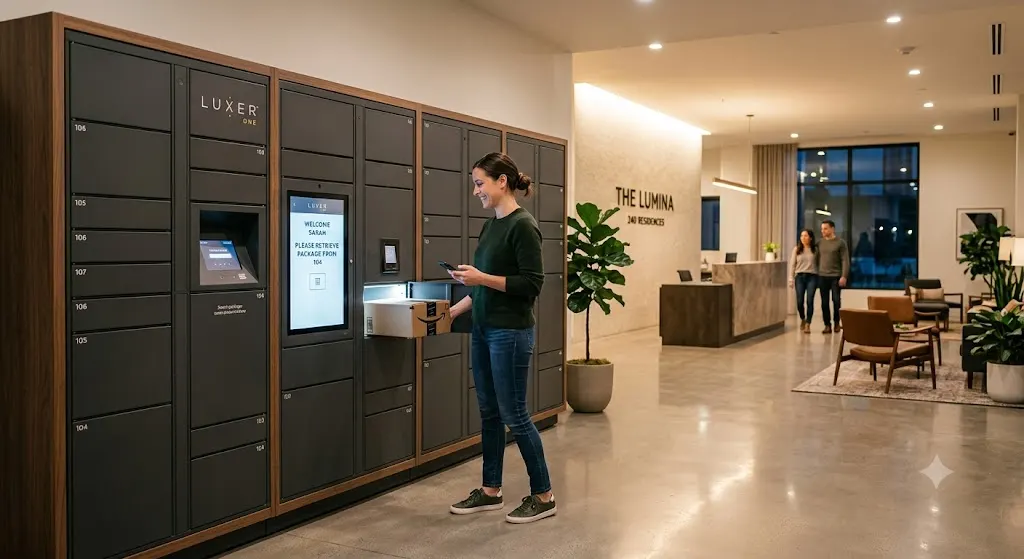
If you've moved into a newer Korean apartment or officetel and encountered a package locker system with a touchscreen interface and verification code instead of a simple delivery to your door, Korea's newer residential buildings have increasingly integrated smart package management systems that streamline delivery but require understanding a specific process most first-time users aren't shown clearly.
Here's how Korean smart package locker systems and building delivery infrastructure actually work.
Why Package Lockers Have Become Standard in Newer Buildings
Given Korea's extremely high delivery volume, as covered in how delivery apps work in Korea, newer apartment and officetel buildings have increasingly integrated dedicated package management infrastructure specifically to handle this volume efficiently without overwhelming a building's entrance or requiring residents to be home for every delivery.
- Smart locker systems, generally located near the building entrance or in a dedicated delivery room, allow couriers to deposit packages into an individually assigned or system-assigned locker compartment, notifying the resident via SMS or app notification once deposited.
- Older buildings without this infrastructure generally rely on a simpler delivery drop-off area, sometimes just a designated shelf or floor space near the entrance, or in smaller buildings, courier access to leave packages directly outside individual unit doors, understanding your specific building's actual system matters since the process differs meaningfully.
- Building security integration, some newer buildings tie package locker access to the same entry system used for general building access, meaning your existing keypad code or entry fob sometimes also functions for package retrieval, worth confirming with building management how your specific system integrates.
How to Actually Retrieve a Package From a Smart Locker
- Receive the notification, generally SMS or an app-based alert specifying which locker compartment your package is in and providing a retrieval code or confirming that your regular access method will work.
- Navigate to the locker system, generally near the building entrance, and either enter the provided code, scan a QR code sent in the notification, or use whatever specific retrieval method your building's system requires.
- Retrieve promptly if possible, some buildings have limited locker capacity, and leaving packages unretrieved for extended periods can create space issues for the courier and other residents, checking notifications regularly and retrieving in a reasonably timely manner matters as a courtesy within shared building infrastructure.
What Happens When Lockers Are Full or Unavailable
- Courier fallback procedures vary, some will attempt direct delivery to your door if lockers are full, others may hold the package for a return attempt, or in some cases contact you directly for alternative arrangement, understanding this isn't a guaranteed automatic locker delivery system regardless of capacity matters for managing expectations.
- Oversized packages that don't fit standard locker compartments generally require a different delivery approach entirely, direct door delivery or a specific building reception point, checking with building management about the process for larger deliveries before ordering something significantly bulky helps avoid confusion.
- Building management or a resident association notice board, as covered in how apartment complex amenities and rules work, sometimes posts specific guidance about locker system use and any current capacity issues, worth checking these notices particularly if you're experiencing repeated delivery issues.
Practical Tips for Using These Systems
- Register your phone number correctly with building management if the system requires this for notification delivery, a registration error here can mean packages arrive without you receiving the corresponding notification, leaving them unclaimed longer than intended.
- Understand your building's specific retrieval window, some systems have time limits after which an unretrieved package triggers a return-to-sender process or requires direct staff assistance to retrieve, checking this policy avoids losing access to a package you simply hadn't checked notifications for promptly.
- Keep delivery instructions updated within shopping apps, as covered in delivery app usage generally, ensuring your registered address correctly reflects your building's specific locker system or delivery point helps couriers use the correct process from the outset rather than defaulting to a less efficient fallback.
Common Mistakes Foreign Residents Make
- Not understanding their specific building's system before their first delivery, leading to confusion when a notification arrives referencing a retrieval process they weren't expecting, checking with building management or a neighbor early after moving in avoids this first-delivery confusion.
- Missing retrieval notifications due to language barriers if the specific notification arrives in Korean without a clear translation, using a translation app on notification text, or confirming the notification format in advance, helps avoid missing important retrieval information.
- Not retrieving packages promptly, creating capacity issues for shared locker infrastructure, particularly relevant in buildings with genuinely limited locker space relative to resident delivery volume.
- Assuming all buildings use an identical system, when locker technology, notification methods, and retrieval processes can vary meaningfully between different buildings, even within the same general apartment or officetel category.
Quick Summary
- Newer Korean apartment and officetel buildings increasingly use smart package locker systems, notifying residents via SMS or app alert once a courier deposits a package, distinct from simpler drop-off systems in older buildings.
- Retrieval generally involves a provided code or QR scan at the locker system, sometimes integrated with your building's existing entry access method, understanding your specific building's actual process avoids first-delivery confusion.
- Oversized packages and full-locker situations generally require alternative delivery arrangements, checking with building management about these fallback processes helps you know what to expect for larger deliveries.
- Registering your phone number correctly and retrieving packages promptly matters both for receiving notifications reliably and being a considerate user of shared building delivery infrastructure.