Recycling and Food Waste Rules in Korea: What Foreign Residents Should Know
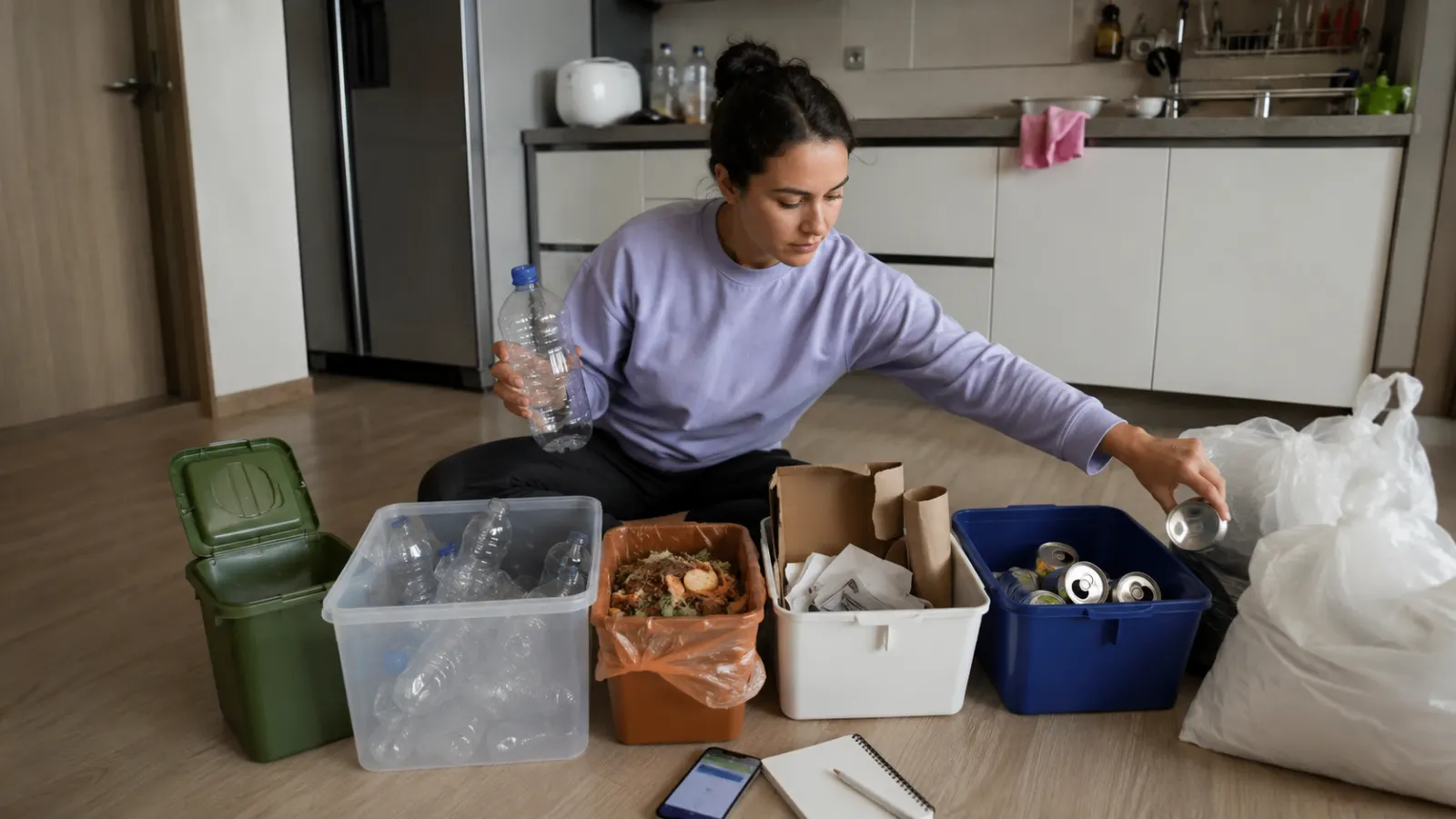
Sorting trash in Korea can feel unexpectedly stressful for foreigners. You may know that Korea takes recycling seriously, but once you are standing in front of several bins with plastic packaging, food scraps, delivery boxes, glass bottles, and general waste, the rules are not always obvious.
The system is manageable once you understand the basic categories. The real challenge is that rules can vary by building, district, and housing type. A studio, officetel, apartment complex, dormitory, villa, or share house may all handle waste slightly differently.
Why Korea’s waste system feels strict
Korea does not treat household trash as one simple bag. Waste is usually separated into general waste, food waste, recyclable materials, and sometimes special disposal items. Many areas use official paid trash bags for general waste, while food waste may require separate bags, bins, stickers, or RFID-based systems.
This structure can surprise foreigners from countries where waste sorting is less detailed or where apartment buildings handle most sorting behind the scenes. In Korea, residents are often expected to sort waste correctly before disposal.
The common misunderstanding is thinking recycling is optional. In many Korean homes and buildings, waste sorting is part of ordinary daily life.
The main waste categories
Most foreign residents should start with four basic categories.
General waste is trash that cannot be recycled and is not food waste. It usually goes into an official paid trash bag, often called a volume-based waste bag. These bags are sold at convenience stores, supermarkets, or local shops and are usually specific to your district.
Recyclables include paper, cardboard, plastic bottles, cans, glass bottles, and certain packaging. These should usually be emptied, rinsed, and separated. Delivery boxes should be flattened, and tape or labels should be removed when possible.
Food waste includes many edible leftovers, vegetable scraps, rice, noodles, fruit flesh, and similar items. However, not everything from the kitchen counts as food waste.
Special waste includes items such as furniture, appliances, large household goods, batteries, fluorescent lamps, broken umbrellas, or electronics. These may need special stickers, designated collection points, or separate disposal methods.
Food waste is the hardest category
Food waste is where many foreigners make mistakes. The simple way to think about it is this: food waste should generally be something that can be processed into animal feed, compost, or other resource use. Items that are too hard, sharp, fibrous, or unsuitable may not belong in food waste.
Seoul has published multilingual food waste disposal guidance for foreign residents, including examples of items that should not be disposed of as food waste, such as hard fruit shells, bones, onion skins, and certain seeds.
Common items that often confuse residents include:
- Chicken bones
- Pork or beef bones
- Shellfish shells
- Eggshells
- Onion and garlic skins
- Corn cobs
- Peach, apricot, and persimmon seeds
- Tea bags with synthetic material
- Coffee capsules
- Plastic packaging mixed with food
A practical rule is to ask whether the item is soft, edible, and free of non-food material. If it is hard, mixed with plastic, or not suitable for feed or compost, it may need to go into general waste instead.
Delivery food creates extra sorting work
Korea’s food delivery culture is convenient, but it creates a lot of packaging. One meal can produce plastic containers, sauce cups, wooden chopsticks, paper sleeves, plastic bags, aluminum foil, food scraps, and receipts.
Do not throw the entire delivery bag into one bin. Separate it before disposal. A realistic sorting routine looks like this:
- Remove leftover food and put it in the food waste system.
- Rinse plastic containers if they are recyclable.
- Separate lids, cups, and packaging where required.
- Put contaminated or greasy non-recyclable items into general waste.
- Flatten paper bags or boxes if recyclable.
- Throw wooden chopsticks or tissues into general waste.
The mistake point is assuming anything made of plastic is recyclable. If it is heavily stained with oil, sauce, or food residue and cannot be cleaned, your building may treat it as general waste.
Apartment buildings may have their own rules
Large apartment complexes often have designated recycling areas with separate bins for plastic, paper, glass, cans, Styrofoam, and food waste. Some buildings have specific disposal days or times. Others allow recycling daily but restrict large-item disposal.
Officetels may have basement collection rooms, smart food waste bins, security-office instructions, or building notices posted in Korean. Villas and smaller buildings may require residents to place official bags outside on certain days.
Dormitories and universities also have their own waste rules. For example, some dormitory guidance clearly separates food waste, recyclables, and regular trash. This is why the best advice is local: ask your building manager, landlord, dorm office, or neighbor exactly where and when to dispose of each type.
Paid trash bags matter
General waste usually requires official paid bags. These are not just ordinary plastic bags. They are part of the local waste fee system.
If you use the wrong bag, leave trash in an unauthorized place, or mix categories badly, your trash may not be collected. In some cases, buildings may warn residents or check CCTV if disposal rules are repeatedly ignored.
Foreign residents should buy the correct bags for their district. If you move to another district, leftover bags may not always be accepted in the new area. Do not stock up too heavily before moving.
Large items need separate handling
Furniture, mattresses, chairs, desks, appliances, and other large items usually cannot be placed casually with normal trash. They often require a disposal sticker, online application, building office approval, or district pickup process.
This is especially important when moving out. Foreign residents sometimes leave large items behind because they do not understand the disposal process. That can cause conflict with landlords, building managers, or future tenants.
Before moving day, ask how to dispose of:
- Mattress
- Bed frame
- Desk
- Chair
- Shelves
- Small appliances
- Broken suitcase
- Large mirror
- Electronics
Some items may be collected for a fee. Others may be accepted through recycling centers, secondhand platforms, or building-specific disposal days.
A simple routine for new residents
The easiest way to manage Korean waste rules is to set up a simple home system. Keep small separate containers or bags for food waste, plastics, paper, glass and cans, and general waste. Do not wait until everything piles up.
At home, create a small checklist:
- Food waste: drain moisture before disposal
- Plastic: rinse and dry when possible
- Paper: flatten boxes and remove tape
- Glass and cans: empty before disposal
- General waste: use official paid bags
- Large items: ask before throwing away
Draining moisture from food waste is especially practical. It reduces smell, makes disposal easier, and may matter in buildings that charge by food waste weight.
What foreigners should not worry about too much
You do not need to become perfect on day one. Even Koreans sometimes check rules for confusing items. The goal is to learn the big categories first and then adjust to your building’s system.
If you are unsure about one item, ask someone in the building or search the Korean item name with disposal terms. Over time, the pattern becomes easier.
The real problem is not making one small mistake. The problem is treating all waste as one category, ignoring food waste, using random bags for general trash, or leaving large items without permission.
Quick Summary
- Korean household waste is usually separated into general waste, food waste, recyclables, and special disposal items.
- Food waste rules are detailed, and hard shells, bones, skins, and some seeds may not count as food waste.
- Official paid trash bags are commonly required for general waste.
- Building rules matter, so ask your apartment, dorm, landlord, or management office about exact disposal days and locations.