Recycling and Trash Disposal in Korea: A Practical Sorting Guide for Foreign Residents
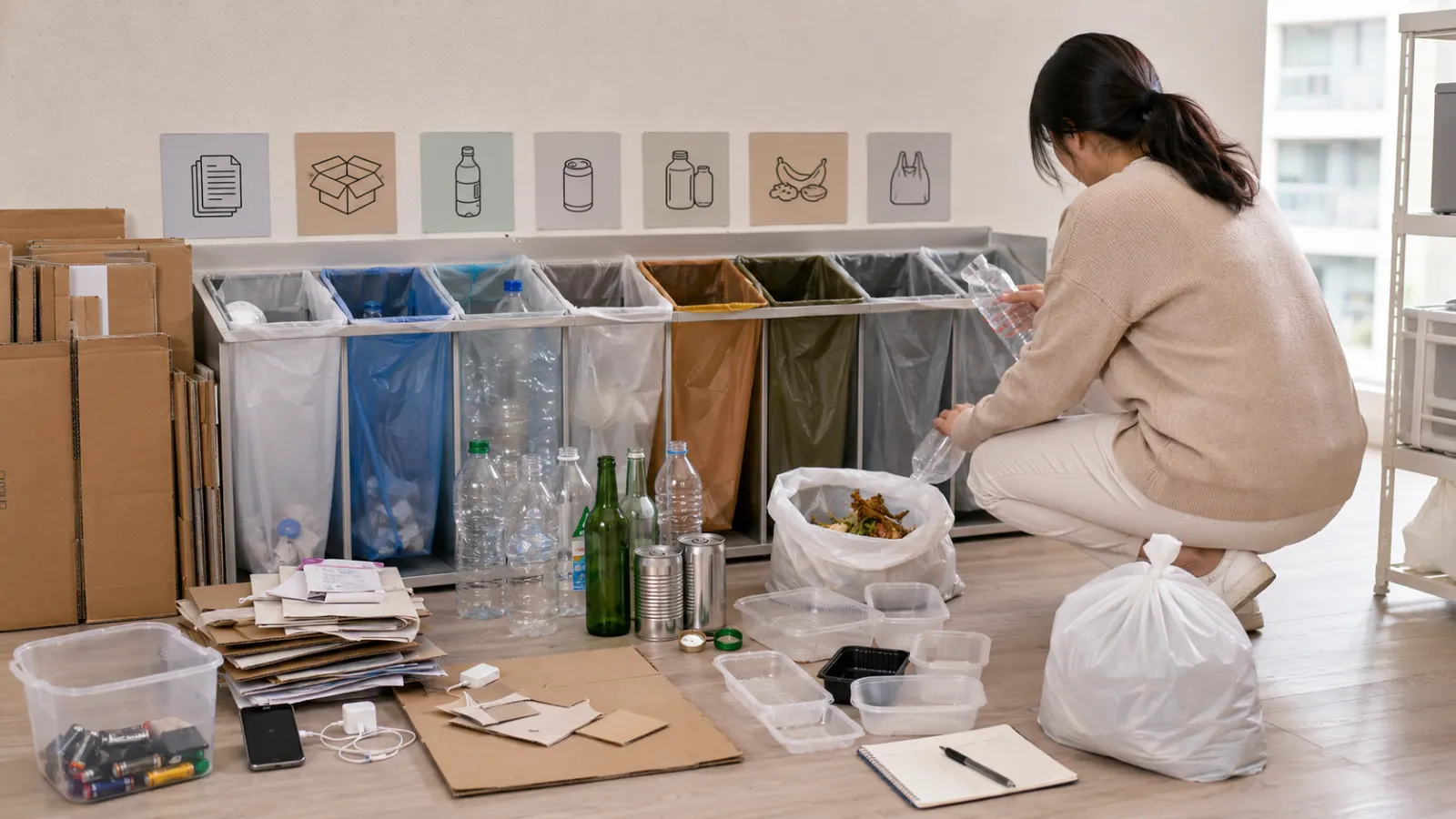
Throwing away household waste in Korea can be more complicated than placing everything in one outdoor bin. Residents may need designated trash bags, separate food waste, clean recyclable packaging, remove labels, flatten boxes, and follow the collection schedule of their building or district.
The exact system can differ by municipality and property. A method accepted in one district may not be identical in another. The most reliable starting point is the notice posted in your building and the local district’s current guidance.
General waste uses designated bags
Ordinary household waste is commonly placed in official volume-based waste bags. These bags are often called jongnyangje bongtu. They are sold in convenience stores, supermarkets, and neighborhood shops. Bag sizes and appearance can differ by local government.
A bag purchased for one municipality may not be accepted in another area. Do not use an ordinary shopping bag for general household waste unless your building or local rule specifically permits another method. General waste may include items that cannot be recycled or separated as food waste, subject to local instructions.
Food waste is collected separately
Food waste is a major source of confusion for newcomers. Depending on the building, residents may use:
- Special food-waste bags
- Shared collection container
- Electronic weight-based machine
- RFID card
- Prepaid sticker or token
- Individual container
Remove excess liquid before disposal when instructed. Food-waste systems are intended for material that can be processed through the local collection method. Not everything that came from a kitchen is accepted as food waste. Items commonly treated differently can include:
- Large animal bones
- Shellfish shells
- Hard fruit pits
- Nut shells
- Tea bags
- Wooden sticks
- Toothpicks
- Disposable utensils
- Plastic packaging
Local classifications can vary, so check the building guide rather than relying only on a general online list.
Recyclables should be clean
Recycling works best when containers are emptied, lightly rinsed, and separated from non-recyclable material. Common categories may include:
- Paper
- Cardboard
- Plastic containers
- Plastic film
- Glass bottles
- Metal cans
- Styrofoam
- Clear plastic bottles
- Clothing
- Batteries
- Fluorescent lamps
A greasy food container with leftovers may not be suitable for recycling even when the material itself is recyclable. Remove food, liquid, and obvious contamination before placing the item in the recycling area.
Plastic is not one category everywhere
Plastic packaging can be separated according to shape or material. A building may distinguish:
- Rigid plastic containers
- Clear plastic beverage bottles
- Vinyl or plastic film
- Styrofoam
- Mixed packaging
- Non-recyclable plastic
Look for recycling symbols on the package, but also follow the local collection labels. A multi-material product may need to be separated. For example, a plastic bottle can have a cap, label, and container that are handled differently. Do not place toys, electronics, hoses, or large plastic furniture into a small container-recycling bin simply because they contain plastic.
Clear plastic bottles
Some collection systems separate clear beverage bottles from other plastics. A common preparation process includes:
- Empty the bottle.
- Rinse it.
- Remove the label.
- Crush it where requested.
- Replace or separate the cap according to local rules.
- Place it in the designated container.
Colored bottles, detergent containers, and food-oil containers may belong in another category. Check the sign above the bin instead of assuming every transparent plastic container is handled the same way.
Paper and cardboard
Flatten cardboard boxes before disposal. Remove:
- Packing tape
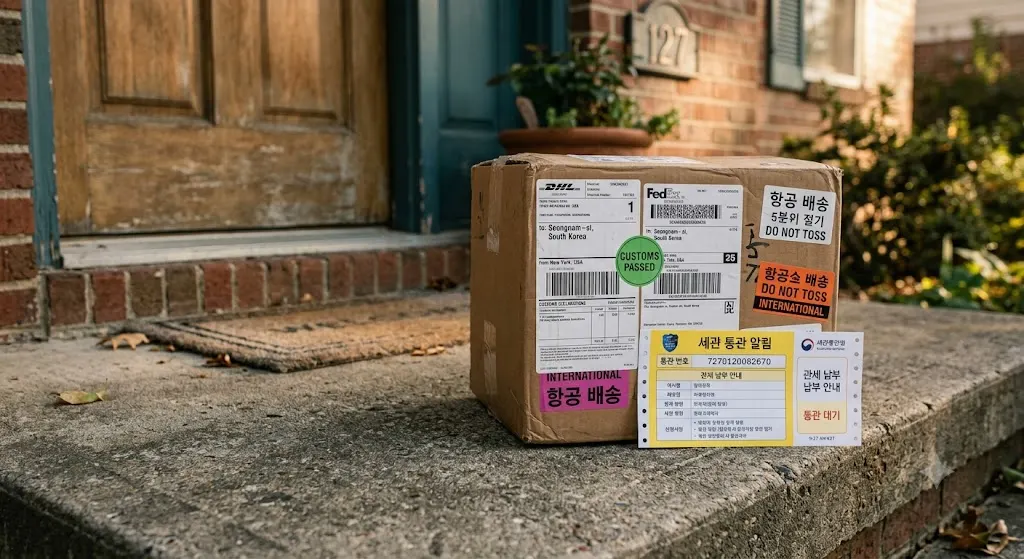
- Shipping labels containing personal information
- Plastic windows
- Styrofoam inserts
- Metal or plastic attachments
Clean paper, cartons, and cardboard may be separated into different groups. Wet, oily, coated, or heavily contaminated paper may not be recyclable. Pizza boxes are a common example. A clean section may be recyclable, while a section soaked with grease and food may need another disposal method.
Protect your privacy by removing or destroying address labels.
Glass bottles
Empty and rinse glass bottles. A building may separate bottles by color or collect them together. Broken glass should not be placed loosely where workers or residents can be injured. Wrap it securely and follow the local method for dangerous or non-recyclable waste.
Mirrors, ceramics, drinking glasses, heat-resistant glass, and window glass may not belong with ordinary beverage bottles. Material that looks like glass is not necessarily processed through the same recycling stream.
Metal cans
Rinse beverage and food cans before recycling. Remove remaining food and liquid. Pressurized spray cans and gas canisters need extra care. They should not be treated like ordinary cans while pressure or flammable contents remain.
Follow the current local safety instructions for emptying and disposing of these items. Do not puncture or burn a container without verified guidance. Sharp metal lids should be handled so that they do not injure anyone.
Styrofoam
Clean white packaging Styrofoam may be collected separately in some buildings. Remove:
- Tape
- Labels
- Food
- Ice packs
- Plastic film
- Cardboard
Dirty food trays, colored foam, coated material, and construction insulation may be treated differently. Do not leave a large foam box beside the bins with all shipping materials still inside.
Clothing and textiles
Some neighborhoods provide clothing collection bins. These may accept wearable clothing, shoes, bags, blankets, or textiles according to the operator’s rules. Do not assume the bin accepts:
- Wet clothing
- Heavily contaminated fabric
- Mattresses
- Carpets
- Pillows
- Broken suitcases
- General waste
Place items in a closed bag when requested. For large bedding or unusable textiles, ask the building manager how they should be discarded.
Batteries and fluorescent lamps
Household batteries and fluorescent lamps should not normally be mixed with ordinary waste. Collection points may be located at:
- Apartment management office
- Community center
- Public recycling station
- Supermarket
- Building recycling room
Tape exposed battery terminals when appropriate to reduce short-circuit risk. Damaged or swollen rechargeable batteries require careful handling. Do not place them in an ordinary battery box without checking a safe local disposal method.
Electronics and appliances
Small electronics, computers, televisions, refrigerators, washing machines, and air conditioners require different disposal arrangements. Possible methods include:
- Retailer collection during replacement
- Manufacturer or service-provider collection
- Municipal pickup
- Building management
- Dedicated e-waste collection point
Delete personal data from phones, computers, drives, and smart devices before disposal. Remove accounts and factory-reset equipment where possible. Do not leave an appliance beside the recycling area without arranging collection.
Bulky waste
Furniture and large household items usually need a special report, sticker, payment, or pickup request. Examples include:
- Mattress
- Bed frame
- Desk
- Chair
- Wardrobe
- Sofa
- Large mirror
- Bicycle
- Exercise equipment
The process may be handled through the district website, local office, building manager, or approved mobile service. The disposal fee can depend on the item and size. Place the item outside only on the approved date and location. An abandoned item can create complaints or penalties.
Collection schedules
Some apartment complexes allow recycling throughout the week. Others open the recycling area only on certain days. Villas and small buildings may require residents to place bags outside during specific evening hours. Ask:
- Which days are allowed?
- What time should waste be placed outside?
- Where is the collection point?
- Are holidays different?
- Is food waste available every day?
- Who should be contacted about large items?
Putting waste out too early can create odor, pests, blocked walkways, and conflict with neighbors.
Moving out
Moving creates more waste than ordinary daily life. Plan early for:
- Furniture
- Appliances
- Clothes
- Books
- Food
- Cleaning products
- Gas canisters
- Batteries
- Electronics
- Bedding
Sell or donate usable items before the final week. Do not leave unwanted belongings in the apartment, hallway, recycling area, or rooftop unless an approved arrangement has been made. Photograph the cleared home and disposal receipts when they may be relevant to the final inspection.
Quick Summary
- Use the designated municipal bags and collection method required by your area.
- Separate food waste from ordinary waste and follow the building’s specific instructions.
- Empty, clean, and sort recyclable packaging before disposal.
- Furniture, electronics, batteries, and hazardous containers require specialized handling.