Receiving Registered Mail in Korea: What Foreign Residents Should Do With Official Notices
Foreign residents in Korea may receive ordinary letters, bank cards, court documents, insurance notices, immigration mail, tax correspondence, or registered deliveries at their home. The envelope may look routine even when the contents include a deadline or require the recipient’s signature.
Ignoring Korean mail because it is difficult to read can create bigger problems later. The safest habit is to check the sender, delivery type, date, and requested action as soon as the notice arrives.
Ordinary and registered mail are different
Ordinary mail may be placed directly into the building mailbox.
Registered mail usually creates a delivery record and may require a signature, identification, or another confirmation. The recipient may receive a visit notice or text message when delivery is unsuccessful.
Important documents are often sent through a method that proves when delivery was attempted or completed. Do not assume that failing to open the door means the document has no effect. The legal or administrative treatment of attempted delivery depends on the document and procedure. When the sender is a court, government office, bank, insurer, employer, or landlord, review it promptly.
Keep your registered address current
Official organizations often use the address stored in their records. After moving, update the relevant institutions, which may include:
- Immigration
- Bank
- National Health Insurance
- National Pension
- Tax office
- Employer
- School
- Telecom provider
- Insurance company
- Driver’s-license authority
- Court or legal representative
A postal forwarding request may help with ordinary mail, but it does not replace updating the official address with each institution.
Your name should also appear correctly on the mailbox when building practice requires it. In a goshiwon, dormitory, share house, or company residence, ask how mail is sorted and stored.
Delivery notices
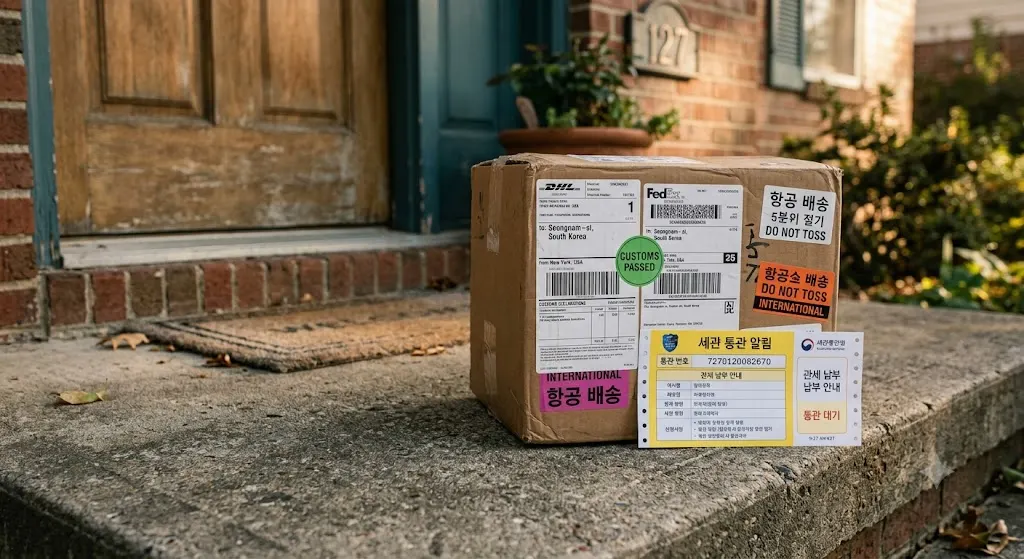
When registered mail cannot be delivered, the carrier may leave a notice or send a message. The notice can show:
- Tracking or item number
- Sender
- Attempt date
- Post office
- Storage period
- Redelivery information
- Identification requirements
- Contact number
Translate the entire notice rather than only the largest text. Scammers can also send false delivery messages. Use an official postal site, application, or verified telephone number instead of clicking an unfamiliar shortened link. Never enter bank passwords or security codes simply to schedule mail redelivery.
Collecting mail at a post office
When an item is held, the named recipient may need to visit the specified post office. Bring:
- Delivery notice
- Passport or residence card
- Tracking number
- Phone
- Authorization documents when collecting for another person
The name on the identification should match the recipient information closely.
Collection by another person may require a power of attorney, identification copies, family evidence, or another form depending on the item. Call the post office before sending someone else.
Do not wait until the final storage day. The item may be returned to the sender after the holding period.
Bank cards and financial mail
Banks and card issuers may use controlled delivery for cards, passwords, security devices, or important notices. Do not ask a building employee or roommate to accept a financial item unless the bank and delivery process allow it. After receiving a card:
- Check the name.
- Confirm the envelope was not opened.
- Activate it through the official channel.
- Destroy sensitive packaging safely.
- Update the bank if the address is wrong.
If a card expected by mail does not arrive, contact the issuer rather than waiting indefinitely.
Immigration and residence notices
Foreign residents should take any letter appearing to come from immigration or another government authority seriously. The notice may concern:
- Document request
- Application result
- Reporting duty
- Fine
- Appointment
- Residence status
- Address issue
- Additional evidence
- Deadline
Verify the sender using an official contact channel. Do not rely only on a friend’s translation when the notice can affect residence status. Obtain qualified interpretation or contact the responsible office. Keep the envelope because the postmark and delivery date may be relevant.
Court and legal documents
Legal documents require prompt attention. An unfamiliar sender name or Korean title does not mean the letter is advertising. Possible documents can involve:
- Payment claim
- Lawsuit
- Enforcement
- Housing dispute
- Employment dispute
- Traffic matter
- Fine
- Witness request
- Family matter
Do not contact the other party angrily before understanding the document. Save the full envelope and every page. Record the date received. Obtain legal advice when a deadline or formal response is involved. Automatic translation can help identify the topic but should not be the sole basis for a legal decision.
Insurance and health notices
National Health Insurance and private insurers may send contribution bills, eligibility notices, examination information, requests for documents, or claim decisions. Ignoring the letter can result in missed payments, interrupted processing, or loss of time to object. Compare the name, resident information, covered period, amount, payment date, and contact details.
When the amount is unexpected, contact the insurer through its official channel before transferring money.
Tax mail
Tax correspondence may include filing information, payment notices, refund details, business documents, or requests for explanation. A foreign resident who moved overseas can still receive mail related to an earlier Korean tax period. Before leaving Korea, consider whether a trusted representative, tax professional, or secure mailing arrangement is needed.
Keep your Korean tax records and contact details accessible after departure.
Mail in shared housing
Dormitories, goshiwons, and shared apartments need special attention. Ask:
- Where ordinary letters are placed
- Who accepts registered mail
- Whether staff notify residents
- How long items are stored
- Whether names or room numbers are required
- What happens after move-out
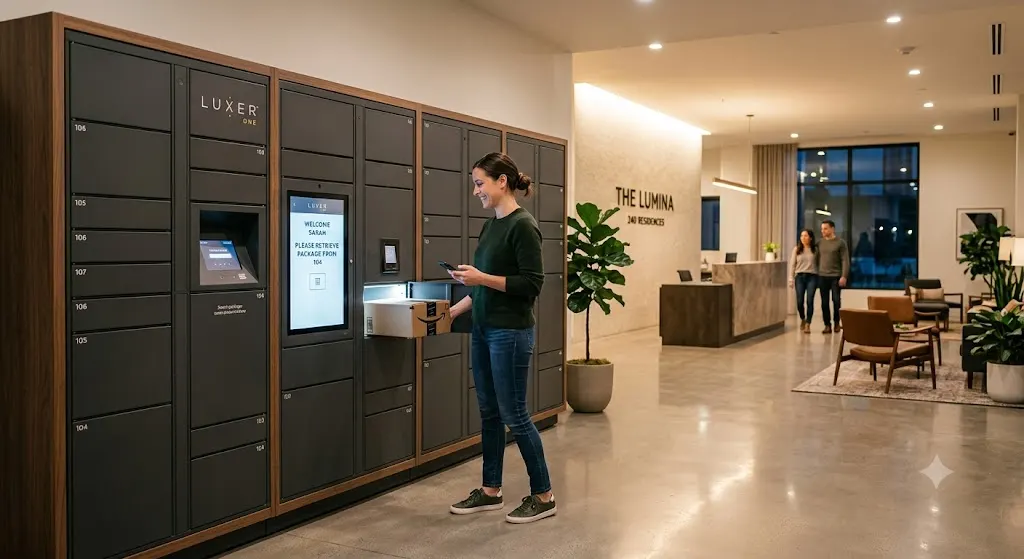
- Whether parcels and letters use different locations
Use the exact room number and recipient name in Korean-address format. Do not use a temporary accommodation address for important long-term records unless the provider permits it and you can reliably receive mail.
Avoid delivery-message scams
A message claiming that a parcel failed, an address is incomplete, or a small fee is due may be fraudulent. Warning signs include:
- Shortened link
- Unusual web address
- Request for card security code
- Request to install an app
- Threat of immediate legal action
- Poorly matched sender name
- Unexpected overseas parcel
- Tiny redelivery fee
- Request for remote phone access
Check the tracking number manually through the official postal service. Do not call the number inside a suspicious message before independently verifying it.
Create a mail-handling routine
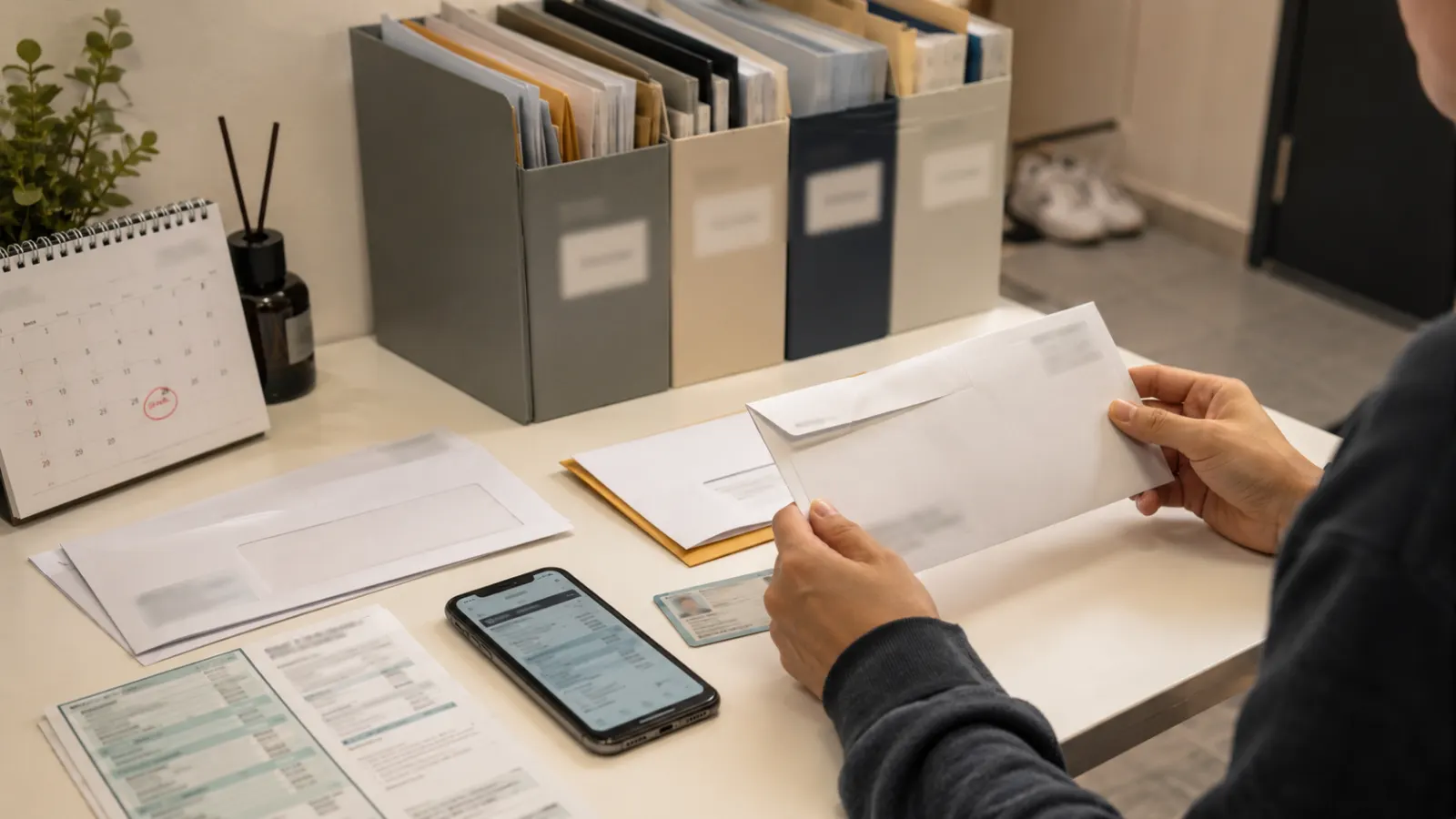
A practical routine is:
- Check the mailbox regularly.
- Open official-looking mail promptly.
- Photograph the envelope and pages.
- Translate the full document.
- Identify the sender through an official source.
- Write down the deadline.
- Save proof of your response.
- File important documents by topic.
Use folders for immigration, tax, banking, insurance, housing, employment, and legal matters. This small habit can prevent a language barrier from becoming a missed deadline.
Quick Summary
- Registered mail creates a delivery record and may require identification or a signature.
- Update each major institution directly after moving instead of relying only on postal forwarding.
- Keep the envelope, delivery date, and every page when a document includes a deadline.
- Verify suspicious delivery messages through official postal channels before opening links or paying fees.