Lifestyle
How Korean Rooftop Gardens and Urban Farming Culture Work
By New In Korea TeamPublished Updated
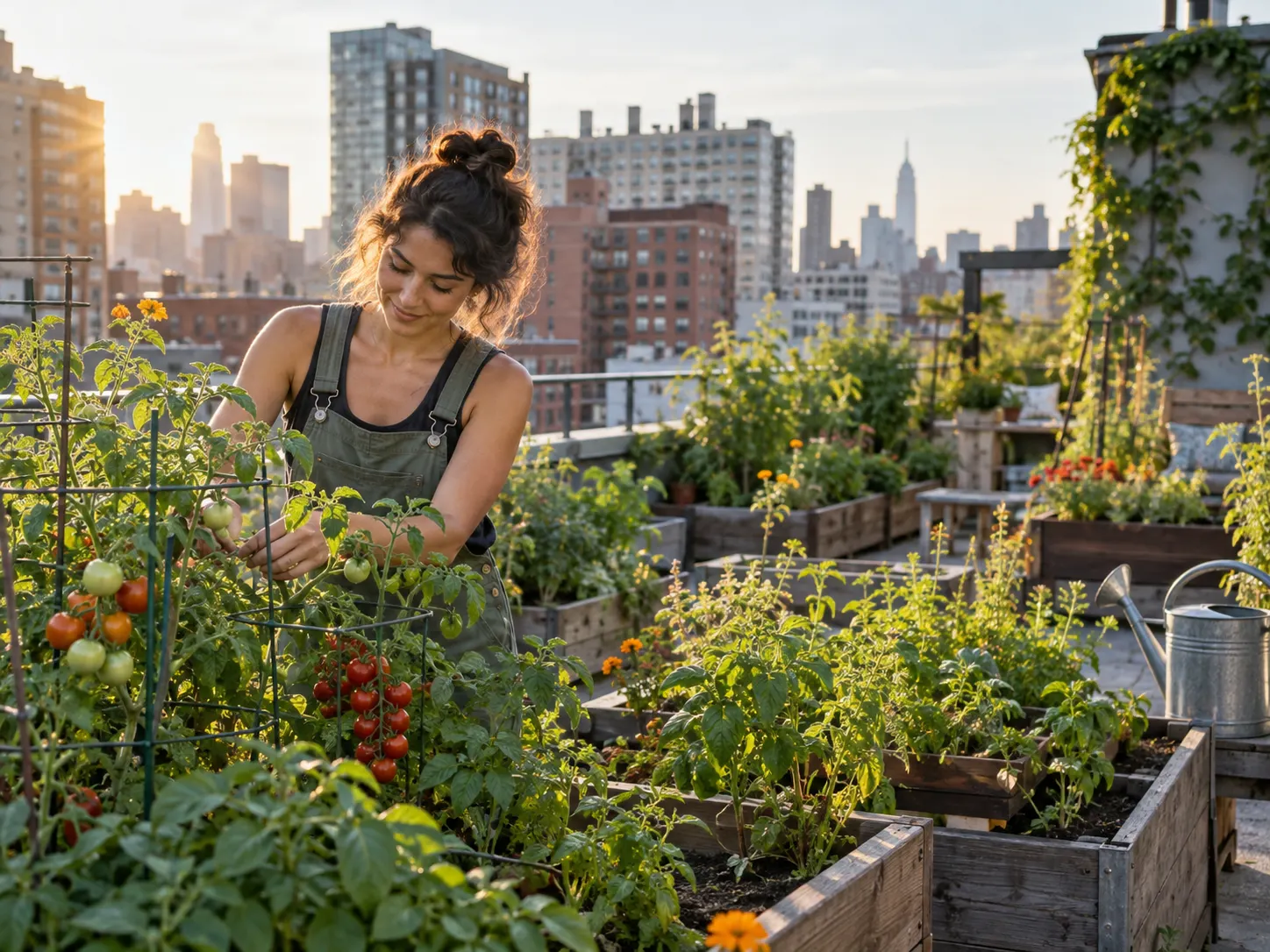
If you've noticed small garden plots on apartment rooftops or balconies in Korea, or heard about community garden programs in your district, and wondered whether this is a genuine, accessible activity for foreign residents or something requiring specific connections and Korean fluency to participate in, Korea's growing urban farming and community garden movement offers a genuinely accessible way to engage with a different side of Korean daily life, worth understanding how to actually find and join these opportunities.
Here's how Korean rooftop gardens and urban farming culture actually work.
Why Urban Farming Has Grown in Korea
- Korean cities, particularly Seoul, have actively promoted urban farming and community garden initiatives over the past decade, reflecting both genuine interest in sustainable food practices and a broader civic effort to create green space and community connection within dense urban environments.
- District offices frequently sponsor or facilitate community garden programs, sometimes on rooftop spaces of public buildings, sometimes on designated vacant lots converted to garden plots, understanding your specific district's current program offerings, similar to checking district-level resources covered in how to find public health campaigns and programs, matters for discovering local opportunities.
- Apartment complex rooftop and courtyard gardens have also become more common, some buildings specifically designate a shared garden space for resident use, worth checking whether your specific building offers this kind of resident amenity if gardening interests you.
Finding and Joining a Community Garden Program
- District office websites or community bulletin boards, similar to the broader pattern of checking local district communication channels covered in apartment complex community notices, often list current community garden plot availability and application processes for residents interested in participating.
- Application processes generally require basic residency documentation, an ARC and proof of address within the relevant district, similar baseline eligibility to other district-level resident programs, foreign residents are generally eligible on the same basis as Korean residents for these community-oriented programs.
- Plot availability and waiting lists sometimes apply, particularly for well-established, popular community garden programs, understanding that immediate availability isn't always guaranteed, checking current waiting list status or considering a less prominently advertised program helps manage expectations for a genuinely popular district's program.
What Participating Actually Involves
- A small assigned plot or shared garden section, generally with basic gardening tools and sometimes water access provided as part of the program, understanding your specific program's actual provisions versus what you might need to bring yourself helps you prepare appropriately.
- Seasonal planting and maintenance commitment, community garden participation generally involves an ongoing commitment throughout a growing season rather than a one-time activity, understanding this time commitment expectation before applying helps ensure genuine follow-through with your plot responsibilities.
- Community interaction with other garden plot holders, many programs specifically foster a community dimension beyond just individual gardening, shared knowledge, occasional community events or harvest celebrations, representing a genuine opportunity for social connection within your local district beyond the gardening activity itself.
Balcony and Small-Space Gardening Alternatives
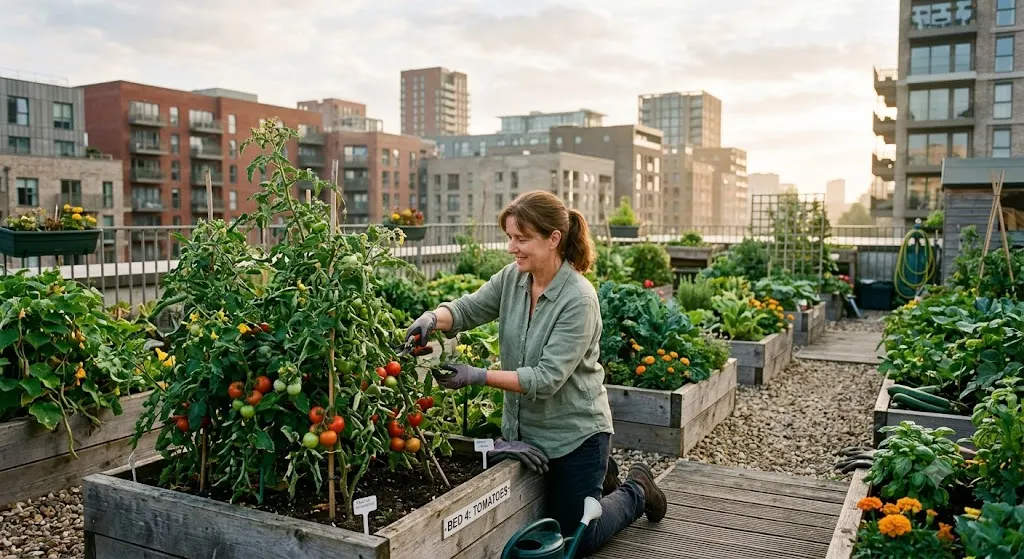
- For residents without access to a community garden plot or rooftop space, balcony gardening represents a genuinely accessible alternative, many Korean garden supply stores and even larger retail chains carry container gardening supplies suited to apartment balcony spaces.
- Specific plant varieties suited to Korea's climate and balcony growing conditions, understanding which vegetables or plants genuinely thrive in a Korean apartment balcony's typical light and space conditions, rather than assuming any plant variety transfers directly from a different climate's typical home gardening approach, helps you actually succeed with balcony gardening.
- Korean gardening supply stores and online platforms offer both supplies and often Korean-language growing guidance, using a translation app for specific care instructions helps you navigate Korean-language gardening product information and guidance.
Common Mistakes and Misunderstandings
- Assuming community garden programs are closed to foreign residents, missing a genuinely accessible, residency-based program due to an incorrect assumption about citizenship-based restriction.
- Not checking specific district program availability and application timing, missing an application window or not understanding current waiting list status for a popular program in their specific area.
- Underestimating the seasonal time commitment involved, applying for a garden plot without fully understanding the ongoing maintenance responsibility throughout a growing season, potentially neglecting an assigned plot after initial enthusiasm fades.
- Not researching climate-appropriate plant varieties for balcony or small-space gardening, applying gardening assumptions from a different climate without adjusting for Korea's specific seasonal growing conditions.
Quick Summary
- Korean cities have actively promoted urban farming and community garden initiatives, district offices frequently sponsor rooftop or designated plot community garden programs genuinely accessible to foreign residents with appropriate residency documentation.
- Finding a specific program involves checking district office communication channels for plot availability and application processes, understanding that popular programs may have waiting lists.
- Participation generally involves a seasonal commitment to maintaining an assigned plot, along with genuine community interaction opportunities with other garden participants, representing a meaningful local social connection beyond the gardening activity itself.
- Balcony and container gardening represent accessible alternatives for residents without community garden access, researching Korea-appropriate plant varieties and climate conditions helps ensure successful small-space gardening.