Lifestyle
How Korean Rooftop and Night Market Culture Actually Works
By New In Korea TeamPublished Updated
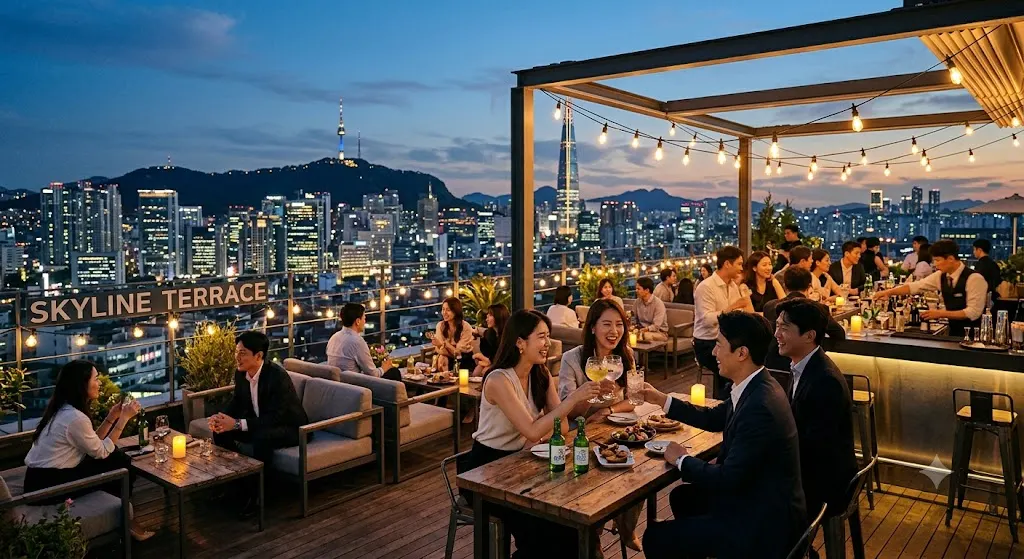
If you've noticed Korean cities, particularly Seoul, developing a genuinely vibrant rooftop bar and seasonal night market scene, and wondered how to actually find and enjoy these specific experiences, understanding how this particular segment of Korean social and nightlife culture works helps you navigate it confidently rather than missing out on what's become a genuinely popular part of urban Korean social life.
Here's how Korean rooftop venues and night market culture actually work.
Rooftop Bar and Venue Culture
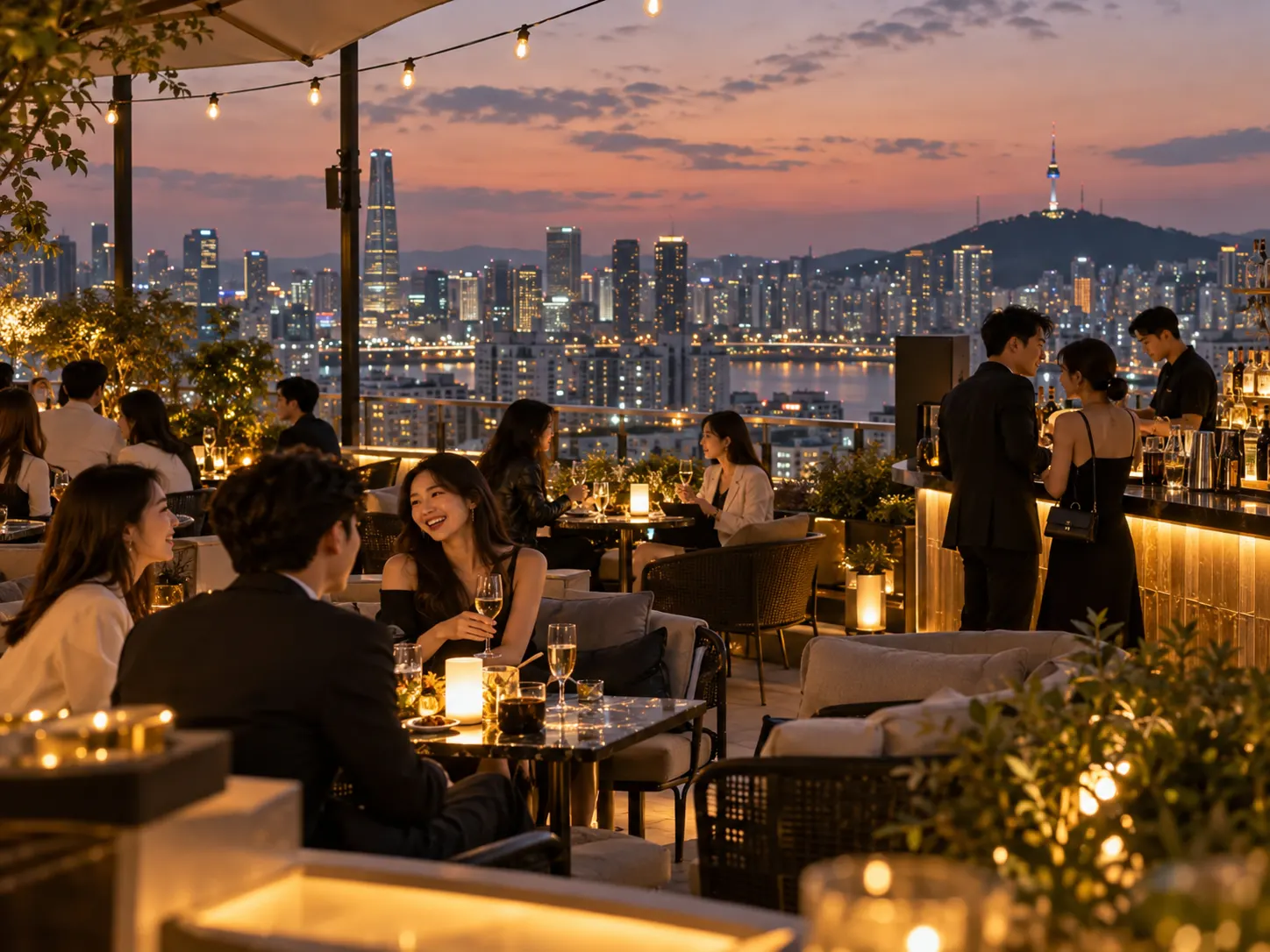
- Rooftop venues have grown significantly in popularity across major Korean cities, particularly Seoul, reflecting both genuine appreciation for outdoor social spaces with city views and the broader café-hopping and aesthetic-conscious social culture covered in how Korean café culture works, rooftop venues extend this same aesthetic and social priority into the evening and nightlife context specifically.
- Seasonal operation affects many rooftop venues significantly, given Korea's genuinely distinct seasonal extremes as covered in how seasonal clothing and climate adaptation work, many rooftop spaces operate primarily during spring through fall, sometimes closing or significantly reducing outdoor seating during winter months, checking a specific venue's current seasonal operating status before planning a visit matters.
- Reservation norms vary by venue, popular, well-known rooftop locations, particularly during peak season weekends, often benefit from advance reservation, while smaller or less prominently featured locations may accommodate walk-in visits more readily, researching a specific venue's actual booking expectation before arriving helps avoid disappointment.
Seasonal and Pop-Up Night Markets
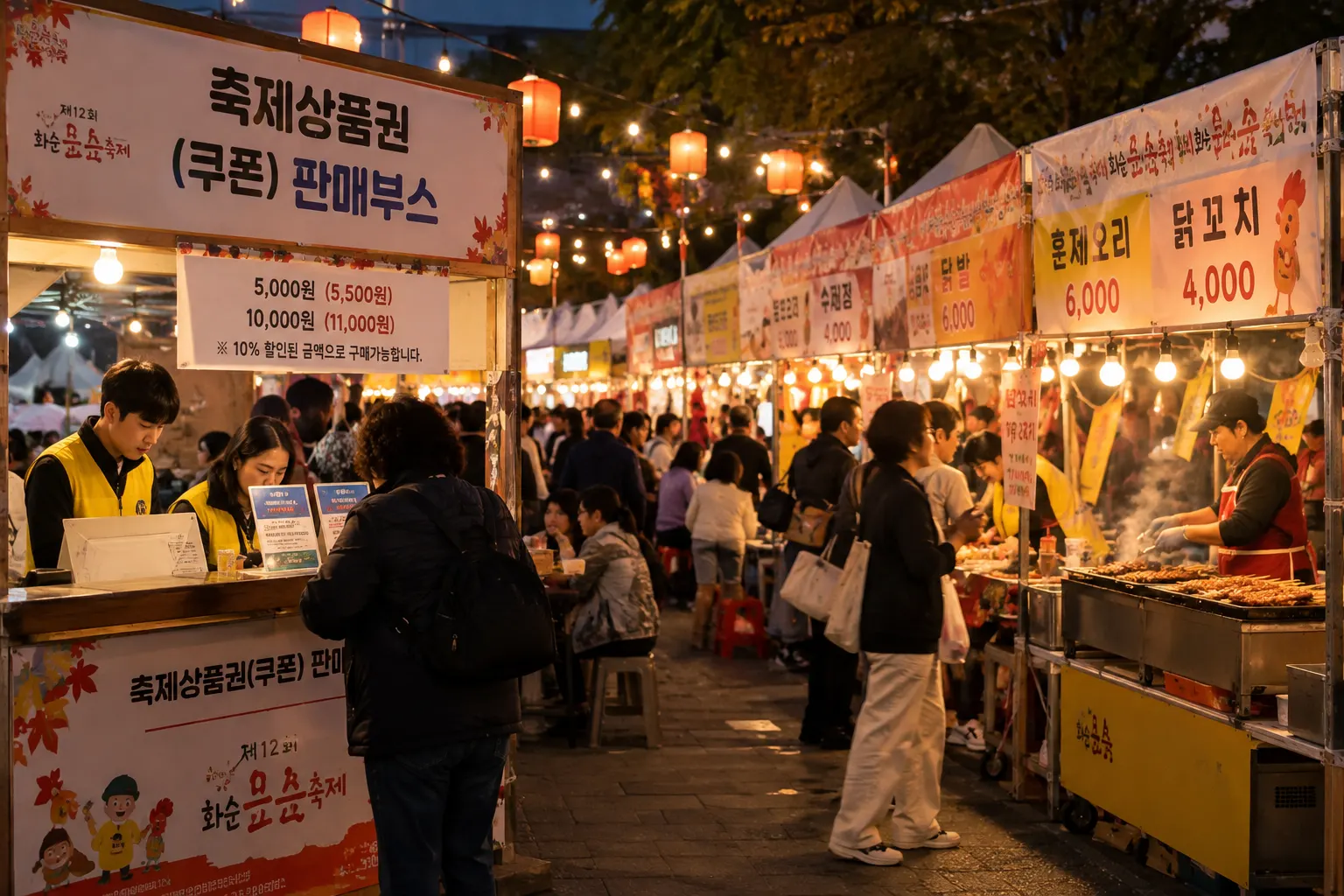
- Seasonal night markets, particularly popular during warmer months, represent a genuinely distinct cultural experience from standing retail or even traditional markets covered elsewhere, often combining food vendors, craft and goods sellers, and sometimes live entertainment in a temporary, specifically evening-oriented market format.
- Specific locations and schedules for these seasonal markets vary by city and year, some operate as recurring annual events in specific locations, others as more occasional pop-up events, checking current event listings or local event calendars for your specific area and timeframe matters since these aren't standing, daily available markets.
- The food and shopping experience at night markets generally emphasizes a social, grazing-style approach, sampling various food vendors and browsing goods in a leisurely evening atmosphere, distinct from the practical, routine shopping experience of a standard daytime traditional market.
How to Find Current Events and Venues
- Social media and local event discovery platforms represent the most current source for specific seasonal night market dates and locations, given how these events can shift year to year, checking current listings rather than relying on general knowledge of past events matters for accurate planning.
- Neighborhood-specific research, certain districts have developed stronger reputations for either rooftop venue concentration or regular night market activity, researching your specific area of interest's current offerings helps you find relevant options efficiently.
- Checking specific venue social media or review platforms for current operating status, seasonal hours, and any reservation requirements, particularly important given how seasonal and sometimes temporary these specific venue types can be compared to standing, year-round retail or dining establishments.
Practical Tips for Enjoying These Experiences
- Dress appropriately for outdoor evening weather, even during warmer months, evening temperatures can differ meaningfully from daytime heat, bringing a light layer for a rooftop venue or outdoor night market visit avoids discomfort as temperatures drop after sunset.
- Arrive with reasonable expectations about crowding, particularly at well-known, popular venues or during peak season weekends, understanding that genuinely popular spots can involve meaningful wait times or crowding, planning around this, either through advance reservation where available or timing your visit for less peak periods, improves the actual experience.
- Budget appropriately for the specific experience type, rooftop venues, particularly those emphasizing view and atmosphere, often carry a premium price point compared to standard bars or restaurants, understanding this pricing reality before arriving helps set accurate expectations.
Common Mistakes and Misunderstandings
- Not checking seasonal operating status before planning a visit, particularly relevant for rooftop venues during colder months, arriving to find a venue closed or operating with significantly reduced outdoor seating compared to what social media photos from warmer months suggested.
- Not researching current specific event dates for seasonal night markets, assuming a market operates on a standing, predictable schedule similar to a regular retail establishment, when these events often follow more specific, limited seasonal or occasional scheduling.
- Underestimating crowding at popular, well-known venues, arriving without a reservation where one would have been advisable, or during an obviously peak period without planning for potential wait times.
- Not budgeting for the premium pricing often associated with view-oriented rooftop venues specifically, being surprised by costs meaningfully higher than a standard bar or restaurant experience.
Quick Summary
- Korean rooftop venue culture has grown significantly in major cities, particularly Seoul, generally operating seasonally with reduced or no outdoor access during colder months, checking current seasonal status before planning a visit matters.
- Seasonal night markets offer a genuinely distinct social and food experience from standard retail or traditional markets, specific dates and locations vary by year, requiring current event research rather than relying on general past knowledge.
- Checking social media, local event platforms, and specific venue information for current operating status, reservation requirements, and seasonal availability helps ensure a smooth, well-planned visit to either experience type.
- Dressing for evening temperature changes, planning around potential crowding at popular venues, and budgeting for the premium pricing often associated with view-oriented rooftop venues helps set accurate expectations for genuinely enjoying these experiences.