How Korean Tattoo Culture and Legal Status Actually Work
If you're considering getting a tattoo in Korea, or already have visible tattoos and wondered whether they'll cause any issues, Korea's relationship with tattoos is genuinely more complicated than it might first appear, technically operating in a legal gray area that shapes everything from where you can actually get one to how visible tattoos are perceived in certain everyday situations.
Here's how Korean tattoo culture and its unusual legal status actually work.
The Surprising Legal Status of Tattooing in Korea
- Tattooing has historically been classified as a medical procedure under Korean law, technically requiring a medical license to legally perform, a genuinely unusual regulatory approach compared to most countries where tattooing is regulated as a cosmetic or personal service rather than medicine.
- In practice, the vast majority of working tattoo artists in Korea are not licensed physicians, operating in a long-standing legal gray area that's been the subject of ongoing public debate and legislative discussion about updating this specific regulation to reflect actual industry practice.
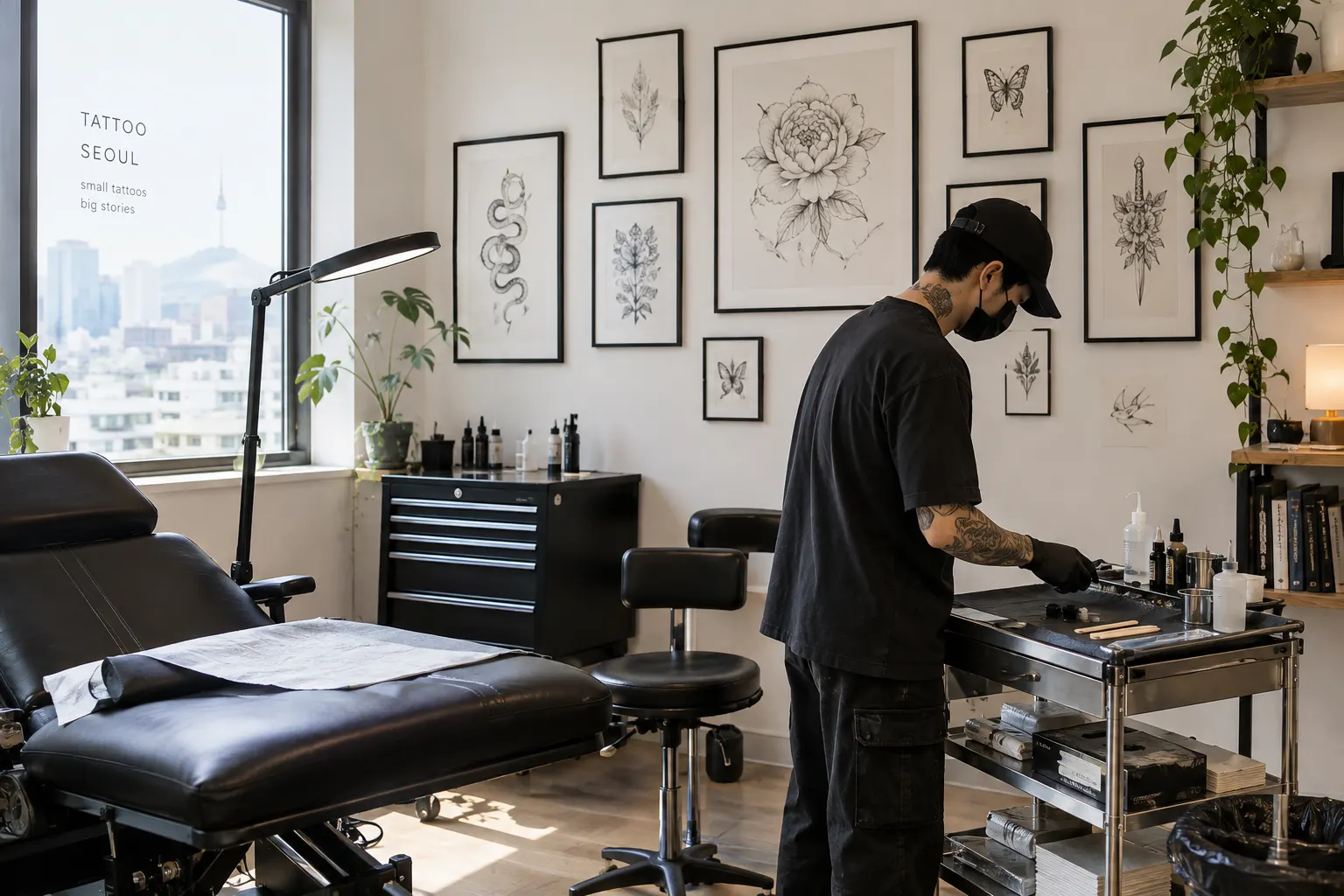
- This unusual legal status doesn't mean tattooing is unavailable or hidden, Korea has a genuinely vibrant, skilled tattoo artist community, particularly concentrated in certain Seoul neighborhoods, the legal ambiguity exists alongside a fully functioning, visible industry rather than actually suppressing it.
What This Means for Getting a Tattoo in Korea
- Finding a reputable, skilled tattoo artist generally works similarly to researching one anywhere, checking portfolios, reviews, and specific artist specialization, the legal ambiguity doesn't typically affect the quality or safety practices of established, professional studios, though it does mean the industry operates with less formal government oversight than in some other countries.
- Studios often operate somewhat discreetly, given the technical legal ambiguity, some operating from less prominently marked locations or requiring appointment booking rather than casual walk-in visibility, understanding this isn't a red flag about legitimacy, but rather a reflection of the broader regulatory situation.
- Pricing and specific artist styles vary considerably, Korea has developed a particularly strong reputation internationally for certain tattoo styles, fine-line and minimalist work in particular, worth researching specific artists whose style matches what you're looking for rather than choosing based purely on convenience or location.
Social Perception of Tattoos in Korea
- Tattoos still carry more social stigma in mainstream Korean society than in many Western countries, historically associated with organized crime in older generational perception, though this association has weakened considerably among younger Koreans as tattoos have become more visible and normalized, particularly in urban, younger social contexts.
- Visible tattoos can still affect certain situations, some workplaces, particularly more traditional or conservative industries, and certain public facilities, like some public bathhouses or jjimjilbang as covered in how jjimjilbang culture works, have historically restricted entry for visibly tattooed patrons, though enforcement and specific policy vary considerably by individual establishment.
- Generational and urban-rural divides matter significantly here, younger, more urban Korean social contexts generally show considerably more openness and normalization around tattoos than older generational attitudes or more conservative regional contexts.

Practical Considerations for Foreign Residents
- Researching specific artist portfolios and reviews carefully before booking, similar to how you'd research this in any country, given the specific regulatory gray area here doesn't provide the same formal licensing verification system some other countries offer.
- Understanding potential workplace considerations if you're in a more traditional Korean company or industry, some workplace dress code or presentation norms, as covered in how Korean workplace dress codes work, may implicitly extend to expectations around visible tattoos, particularly in client-facing or more conservative roles.
- Checking specific venue policies in advance if you have visible tattoos and are planning to visit a jjimjilbang, public pool, or similar facility, since policies vary and some establishments do still restrict entry, a quick check avoids an unexpected situation upon arrival.
Common Misunderstandings
A frequent assumption among foreign visitors or new residents is that Korea's technical legal ambiguity around tattooing means the practice is rare, underground, or difficult to access safely. In practice, Korea has a genuinely thriving, internationally respected tattoo artist community operating within this specific legal gray area, understanding the actual industry reality, distinct from the technical legal classification, helps you approach getting a tattoo in Korea with accurate expectations rather than unnecessary hesitation based on the unusual regulatory status alone.
Quick Summary
- Tattooing in Korea exists in a long-standing legal gray area, technically classified as a medical procedure though the vast majority of working artists aren't licensed physicians, alongside a genuinely thriving, skilled tattoo industry.
- Finding a reputable artist involves similar research to anywhere else, portfolios, reviews, and style specialization, though studios sometimes operate somewhat discreetly given the regulatory ambiguity.
- Tattoos still carry more social stigma in mainstream, particularly older-generation Korean society than in many Western countries, though this has weakened considerably among younger, urban Koreans.
- Certain facilities, some jjimjilbang and public bathhouses in particular, and some more conservative workplaces, may have policies or expectations around visible tattoos worth checking in advance for your specific situation.