How the TOPIK Korean Language Exam Works and Why It Matters
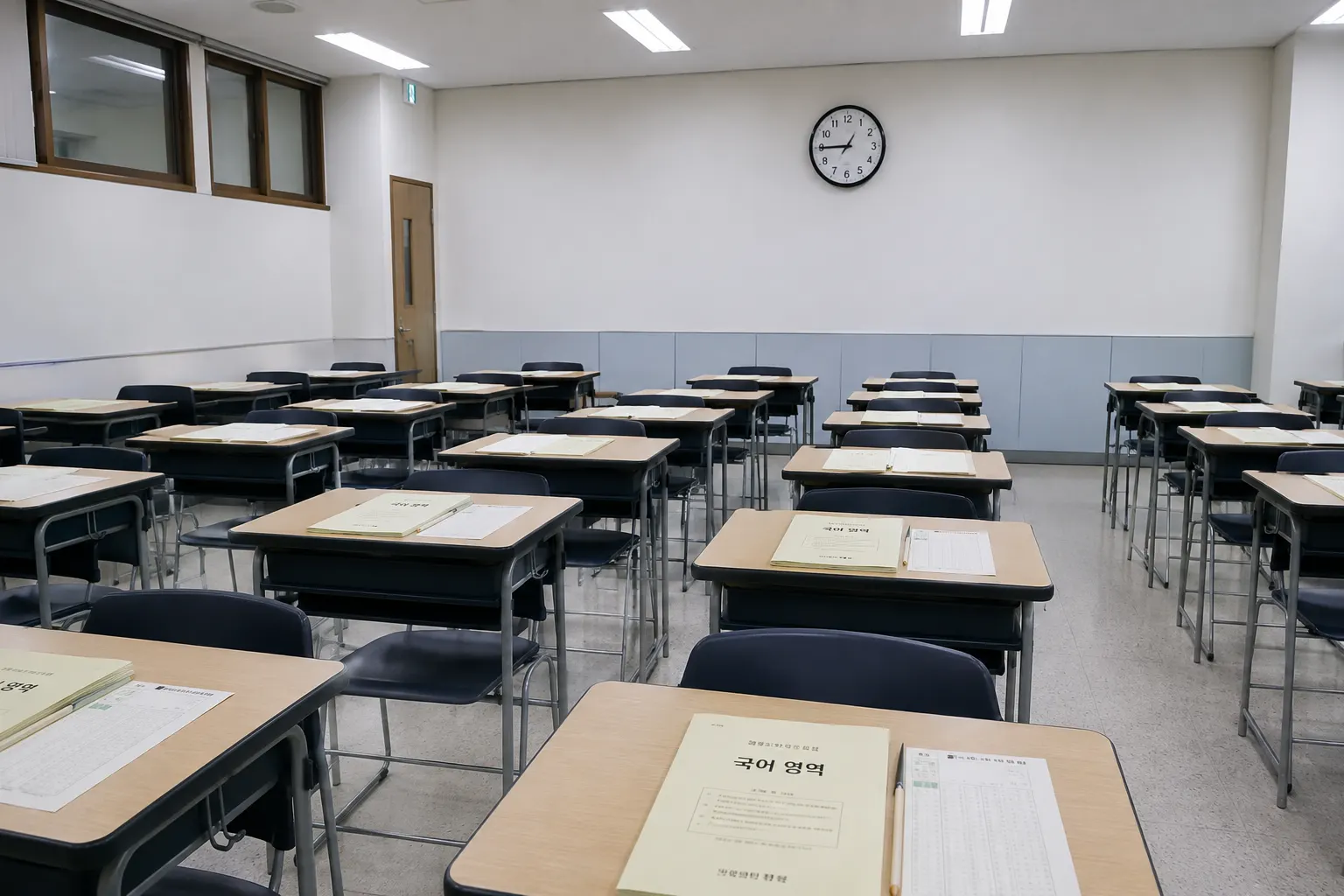
If you've heard the acronym TOPIK mentioned in the context of Korean visas, university admission, or job applications, and aren't sure what it actually tests, how it's scored, or whether you genuinely need it for your specific situation, it's worth understanding both the exam structure and the practical situations where a TOPIK score actually matters, since studying for it without a clear purpose wastes time you could spend on more targeted language goals.
Here's how the TOPIK exam works, what the levels actually mean, and when you genuinely need a score.
What TOPIK Actually Is
TOPIK (Test of Proficiency in Korean) is Korea's standardized Korean language proficiency exam, administered by the National Institute for International Education, and functions as the primary official benchmark for Korean language ability recognized across university admissions, certain visa categories, and many employers.
- TOPIK I covers beginner levels (Level 1 and 2), testing basic vocabulary, grammar, and simple reading and listening comprehension.
- TOPIK II covers intermediate through advanced levels (Level 3 through 6), a single exam that scores across this wider range based on performance, rather than separate exams per level.
- The exam is offered multiple times per year, both within Korea and at testing centers in many countries internationally, worth checking current testing schedules and locations well in advance if you're planning around a specific application deadline.
What Each Level Actually Represents
- Level 1-2 (TOPIK I) represents basic survival-level Korean, enough for simple daily transactions and very basic communication, generally not sufficient for university admission or most job requirements specifically requiring Korean proficiency.
- Level 3-4 represents intermediate proficiency, generally the minimum threshold for many undergraduate university programs taught partially or fully in Korean, and often referenced for certain visa or long-term residency point systems.
- Level 5-6 represents advanced to near-native proficiency, generally required for graduate-level academic programs conducted in Korean, and for jobs specifically requiring advanced professional Korean communication.
Common Situations Where TOPIK Actually Matters
- University admission, particularly for degree programs taught in Korean rather than English-medium international programs, generally requires a specific minimum TOPIK level, checking your target program's specific requirement matters since thresholds vary by university and program.
- Certain visa categories and long-term residency point systems sometimes award additional points or eligibility consideration for a demonstrated TOPIK level, relevant for some F-series visa applications and specific points-based residency programs.
- Job applications, particularly at Korean companies where Korean-language proficiency is a genuine job requirement rather than a nice-to-have, sometimes specify a minimum TOPIK level as part of formal hiring criteria.
- Scholarship eligibility, some Korean government or university scholarship programs for international students specify a TOPIK requirement as part of the application criteria.
Common Misunderstandings About TOPIK
A frequent assumption among learners is that TOPIK preparation and general conversational fluency development are the same thing, in practice, TOPIK specifically tests reading, listening, and writing (grammar-focused for II) in a structured exam format, strong conversational ability doesn't automatically translate into a strong TOPIK score, and vice versa, someone who tests well on TOPIK isn't necessarily equally strong in spontaneous spoken conversation.
Another common misunderstanding involves assuming TOPIK is required for all Korea-related goals equally. If your actual goal is general daily life conversational ability rather than university admission, a specific visa point requirement, or a job with an explicit language requirement, dedicated TOPIK exam preparation may not be the most efficient use of study time compared to more conversation-focused learning methods, worth being clear about your actual goal before committing significant preparation time specifically toward the exam format.
How to Actually Prepare
- Official TOPIK practice materials and past exams, available through the official TOPIK website and various publishers, give the most accurate sense of actual exam format and question style compared to general Korean textbooks not specifically aligned with TOPIK's format.
- Understanding the specific scoring breakdown (reading, listening, and for TOPIK II, writing) helps you identify and focus preparation time on your actual weaker areas rather than studying broadly without a clear diagnostic sense of where you're losing points.
- Taking a practice exam under timed conditions before your actual test date gives a more realistic sense of your current level and pacing than untimed general study, since time management within the exam format is a genuine factor separate from raw language ability.
Quick Summary
- TOPIK is Korea's standardized Korean proficiency exam, split into TOPIK I (beginner) and TOPIK II (intermediate through advanced), recognized for university admission, certain visas, and some job requirements.
- Level 3-4 generally represents the minimum threshold for many Korean-taught university programs, while Level 5-6 is generally required for graduate programs and advanced professional roles.
- TOPIK specifically tests reading, listening, and writing in a structured exam format, strong conversational fluency doesn't automatically translate into a strong TOPIK score without format-specific preparation.
- Being clear about your actual goal, university admission, visa points, job requirements, or general fluency, helps determine whether dedicated TOPIK preparation is actually the most efficient use of your study time.