Unstaffed Stores in Korea: How to Use Self-Service Ramen Shops, Cafes, and Everyday Retail
You may walk into a small ramen shop in Seoul and realize there is no cashier. There may be a payment kiosk, a cooking machine, a shelf of instant noodles, a sink, a microwave, and a few quiet customers eating like they have done this a hundred times before.
Unstaffed and self-service stores are becoming a normal part of everyday Korea. For visitors, they can feel convenient, confusing, or slightly intimidating depending on how prepared you are. The good news is that most of these places are designed to be simple. The main challenge is understanding the flow before you touch the machine.
What “Unstaffed Store” Means in Korea
In Korea, an unstaffed store usually means a shop where customers choose products, pay through a kiosk or self-checkout machine, and use the space with little or no employee interaction. Some places are fully unstaffed all day. Others are only unstaffed late at night, during quiet hours, or in certain zones.
You may see this format in several everyday places:
- Self-service ramen shops
- Robot or kiosk-based cafes
- Ice cream and snack stores
- Photo booths
- Study cafes
- Coin laundries
- Small household goods or pet supply shops
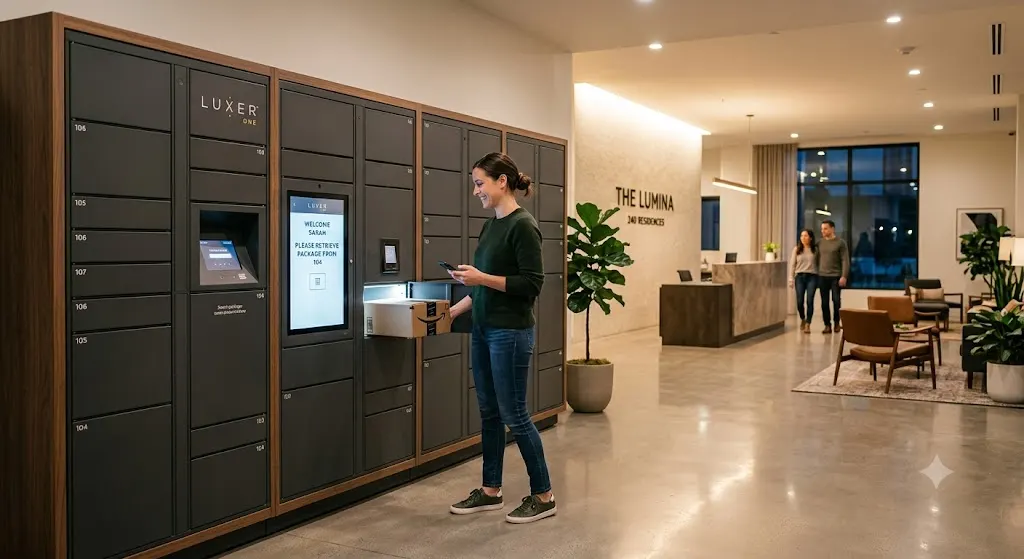
- Convenience-style unmanned retail corners
The common misunderstanding is that these shops are only for locals who can read Korean. In reality, many are built around pictures, product numbers, card payment, and step-by-step machines. Some kiosks offer English, Chinese, or Japanese, especially in busier Seoul neighborhoods. Still, the level of language support varies a lot, so it helps to know the basic pattern.
Why Korea Has So Many Self-Service Shops
Unstaffed stores fit Korean daily life for a few reasons. They save labor, stay open long hours, and work well in dense neighborhoods where people want quick access to food, drinks, laundry, or study spaces. They also match a culture where customers are used to kiosks, card payments, CCTV, and quiet self-service routines.
For travelers, the appeal is different. These places feel practical and local. A self-service ramen shop is not just a cheap meal; it is a small everyday Korea experience. A coin laundry near your hotel can save a suitcase from becoming a disaster. A photo booth or unmanned snack shop can be a low-pressure stop when you do not want to deal with a crowded restaurant.
A balanced way to see them is this: they are convenient, but not always easier. If you are tired, hungry, and unable to understand the machine, a staffed shop may be less stressful. If you are curious and have a few extra minutes, self-service stores can be surprisingly fun.
How to Use a Self-Service Ramen Shop
Self-service ramen shops are one of the easiest unstaffed formats to understand once you know the order. The exact setup changes by store, but the flow is usually similar. A typical process looks like this:
- Choose an instant ramen package from the shelf.
- Pay at the kiosk or self-checkout machine.
- Take a paper bowl or cooking container if provided.
- Open the ramen and place noodles, soup powder, and flakes into the cooker.
- Press the correct cooking button or follow the timer.
- Add toppings if available, such as egg, cheese, sausage, or green onion.
- Eat at the counter and clean up after yourself.
The mistake point is opening food before paying. In a staffed convenience store, tourists sometimes grab items and pay naturally at the counter. In an unmanned ramen shop, the system usually expects you to scan and pay first. If you are unsure, watch what other customers do for a minute before starting.
Another common mistake is pressing buttons too quickly. Some machines dispense hot water automatically, and the steam can be stronger than expected. Keep your hands away from the water outlet and do not lean too close while the machine is cooking.
Self-service ramen shops are best when you want a casual snack, a late-night bite, or a quick local experience. They are not the best choice if you need a full balanced meal or have strict dietary limits, because ingredient details may be difficult to confirm.
Robot Cafes and Kiosk Cafes
Robot cafes and kiosk-based coffee shops are also becoming more visible in Korea. Some have a robotic arm preparing drinks. Others are normal cafes where ordering happens only through a kiosk. They can be efficient, but the experience depends on how comfortable you are with touchscreen menus.
In many cases, the steps are simple: choose the drink, select size and temperature, pay by card, then wait for your order number. The problem comes when the menu has many customization options and no English mode. Iced or hot, sweetness level, extra shot, milk type, takeout, and receipt options can all appear as separate screens.
A useful strategy is to choose a simple drink the first time: iced Americano, latte, tea, or a basic ade. Avoid complicated seasonal drinks if you cannot read the options. If the kiosk has pictures, use them. If the machine asks for a phone number and you do not have a Korean number, look for a skip button or receipt option.
Robot cafes are fun once, especially if you like seeing how Korea mixes technology with daily routines. But do not expect every robot cafe to be a must-visit attraction. Sometimes the coffee is ordinary, and the main appeal is the process.
Unmanned Ice Cream and Snack Stores
Unmanned ice cream shops are common in residential areas and near apartment complexes. They usually have freezers, snack shelves, a self-checkout machine, and CCTV. Customers pick items, scan barcodes, pay, and leave.
These stores can be useful if you are staying in an Airbnb, serviced apartment, or residential neighborhood. They are often quiet and easy for a late-night dessert run. The downside is that foreign cards may not always work smoothly, especially in smaller local stores. If the payment fails and there is no staff, you may not have an easy backup.
A simple rule: use unmanned snack stores for small purchases, not urgent needs. If you only have one payment card or you are short on time, a regular convenience store may be safer.
Payment: What Visitors Should Know
Most self-service stores in Korea expect card payment. Korean credit cards, transportation-linked payment systems, and mobile payments are common, but international cards can be hit or miss depending on the machine and payment processor.
Before using an unstaffed store, check three things:
- Does the kiosk show English or clear images?
- Does it display international card logos?
- Is there a visible help number or emergency contact?
If your card does not work, do not keep forcing the transaction too many times. Cancel, try another card if you have one, or choose a staffed place nearby. In tourist-heavy areas, machines are usually more foreigner-friendly. In smaller residential neighborhoods, they may be less flexible.
Cash is not always accepted. This surprises some visitors because Korea still uses cash in certain traditional markets and older restaurants. In unstaffed retail, however, cash support may be limited or unavailable.
Etiquette in Unstaffed Korean Stores
Because there is no staff member watching the room directly, customer behavior matters more. Most places rely on CCTV, trust, and clear routines. You do not need to be nervous, but you should be tidy and careful.
Basic etiquette:
- Pay before eating or using products.
- Clean your table after ramen, snacks, or drinks.
- Sort trash if separate bins are provided.
- Do not move chairs or equipment unnecessarily.
- Keep your voice low, especially late at night.
- Do not assume you can stay for hours unless it is a study cafe or seating-based space.
One mistake visitors sometimes make is treating an unmanned shop like a free rest area. A self-service ramen shop or snack store is still a business. Buy something if you sit down, and leave the space clean for the next person.
When Self-Service Is Not the Best Choice
Unstaffed stores are not always the smartest option. If you have allergies, need help with ingredients, are using only cash, or are traveling with someone who gets stressed by machines, a staffed shop may be better.
They can also be frustrating when something goes wrong. A payment error, a frozen kiosk, an empty product shelf, or a machine that does not dispense properly can turn a quick stop into a headache. Staffed convenience stores, bakeries, and cafes are still everywhere in Korea, so there is no need to force the experience.
Use self-service stores when curiosity and convenience overlap. Skip them when you need certainty.
Where Visitors Are Most Likely to See Them
You can find self-service and unmanned stores across Korea, but visitors are most likely to notice them in Seoul neighborhoods with heavy foot traffic, universities, offices, or residential density. Areas such as Hongdae, Seongsu, Gangnam, Sinchon, Konkuk University, and station-side streets often have a mix of kiosks, photo booths, ramen shops, and compact retail formats.
Outside Seoul, they also appear near apartment districts, campuses, transport hubs, and tourist areas. The concept is not limited to trendy neighborhoods. It is part of a broader shift in how everyday services are delivered in Korea.
Final Advice for First-Time Users
The easiest way to enjoy unstaffed stores in Korea is to start with a low-risk one. Try a photo booth, a simple kiosk cafe, or a self-service ramen shop when you are not in a rush. Watch the customer before you, follow the screen slowly, and use a card that usually works overseas.
These shops show a practical side of Korean life that tourists often miss. They are not glamorous in the traditional travel sense, but they reveal how Korea handles convenience, technology, space, and everyday routines. Once you understand the rhythm, they become less intimidating and much more useful.
Quick Summary
- Unstaffed stores in Korea include self-service ramen shops, kiosk cafes, snack stores, photo booths, laundries, and study cafes.
- Most places expect card payment, and international cards may work better in tourist-heavy areas than in small residential shops.
- Pay before eating or using products, clean up after yourself, and follow the machine slowly.
- Self-service shops are fun and practical, but staffed stores are better when you need help, allergy information, or payment flexibility.