Why Korean Website Verification Confuses Foreign Users
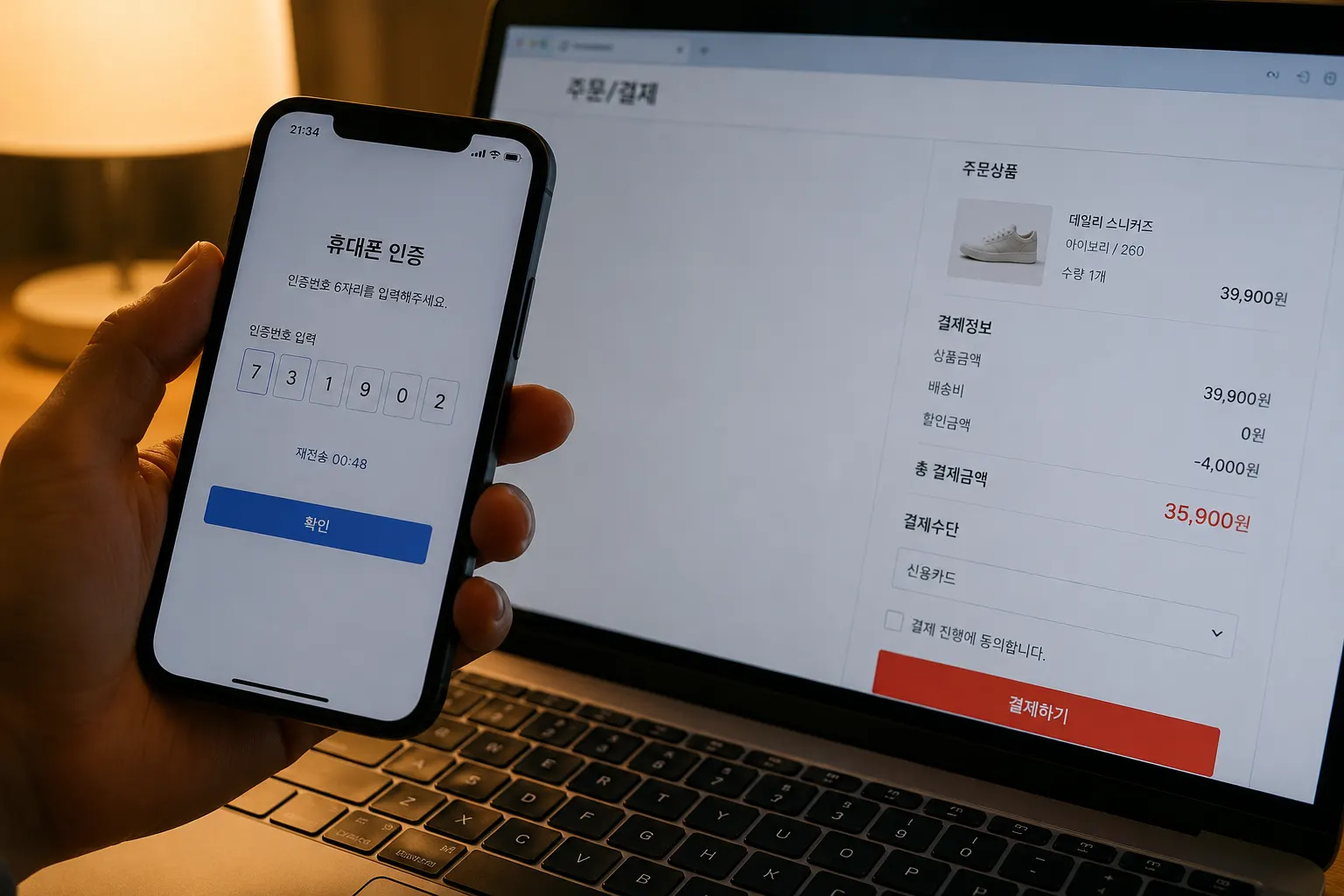
If you've tried to sign up for a Korean shopping site, book a train ticket, or even verify an account for a Korean app, and hit a wall asking for a Korean phone number or something called PASS verification, you've run into one of the most common frustrations foreigners face with Korea's digital systems. It's not a bug, it's how identity verification works here, and understanding it can save you a lot of wasted attempts.
Here's why Korean websites verify identity the way they do, what PASS actually is, and how to work around the barriers when you don't have full Korean documentation yet.
Why Korea Relies So Heavily on Phone-Based Verification
Korea's digital infrastructure was built around a real-name verification system that ties online identity closely to a registered mobile phone number, which itself is tied to either a Korean citizen's resident registration number or a foreigner's Alien Registration Card (ARC) number. This system, originally designed for security and fraud prevention, means a huge share of Korean websites, from shopping to banking to government services, ask for phone verification as a basic identity check, not just a security feature.
For someone with a Korean phone number tied to their ARC, this is a quick, one-tap process. For a tourist, new arrival, or anyone using a foreign SIM or an ARC-less prepaid plan, it becomes the first wall many hit.
What PASS Actually Is
PASS is one of the most common identity verification apps in Korea, developed jointly by Korea's major telecom carriers (SKT, KT, LG U+). It's used across an enormous range of services, from e-commerce to banking apps to government portals, as a standardized way to confirm you are who you say you are without re-entering documents every time.
- PASS verification typically requires a Korean phone number registered under your real name, which for foreigners means a postpaid plan tied to your ARC, since most prepaid options don't support this level of registration.
- Once set up, PASS can replace repetitive ID verification steps across many different Korean services, functioning similarly to how some countries use bank-based digital ID systems.
- Foreigners without PASS access sometimes hit a wall on services that assume everyone has it, since alternative verification paths aren't always clearly presented, or exist at all, on some websites.
Where Foreigners Commonly Get Stuck
- Online shopping sites often require phone verification at checkout, even for guest purchases, which blocks tourists using foreign numbers or unregistered prepaid SIMs.
- Government portals, like tax filing systems or civil service sites, frequently assume either a Korean digital certificate or PASS verification, both of which require ARC-linked infrastructure.
- Ticketing platforms for concerts, trains, or events sometimes require real-name verification tied to a Korean phone number, which is one reason foreign fans researching concert ticketing often run into unexpected blocks.
- Banking apps, even after you've opened an account, may periodically require PASS or a similar verification step for security updates or larger transactions.
What Actually Works Without Full Korean Documentation
If you don't yet have an ARC-linked postpaid plan, a few workarounds exist, though none are universal:
- Foreigner-friendly banking and shopping apps increasingly offer alternative verification through passport number entry or email-based confirmation, bypassing phone verification entirely, though this is inconsistent across platforms.
- International student and long-stay resident communities often share which specific services have foreigner-accessible sign-up flows, since this changes frequently as companies update their systems.
- Some services accept a foreign-issued credit card as an identity proxy for purchases, even without full account verification, useful for one-off transactions like event tickets.
- Once you get an ARC and postpaid plan, setting up PASS relatively early solves a large share of these issues at once, since it's recognized across a wide range of unrelated services.
A Common Misunderstanding
Many foreigners assume this verification friction is unique to poorly designed websites, or a sign of anti-foreigner design. In reality, it's a structural feature of how Korea's digital identity system evolved, tightly coupling phone numbers, real-name registration, and service access across both government and private platforms. It affects Korean citizens too in the sense that losing phone access or switching numbers can lock you out of multiple services simultaneously, it's just that foreigners face the added layer of needing an ARC before they can enter that system at all.
What Changes Once You're Set Up
Once you have an ARC, a postpaid Korean phone plan, and PASS configured, most of the verification friction that affects new arrivals largely disappears. Booking tickets, verifying accounts, and using government portals becomes close to the same experience as for long-term residents, which is part of why so much advice for foreigners in Korea centers on getting the ARC and phone plan sorted as early as possible, since it's the gateway to a much wider set of digital services.
Quick Summary
- Korean websites and apps rely heavily on phone-based real-name verification, often through the PASS app, tied to an ARC-linked postpaid phone number.
- Tourists and new arrivals without ARC-linked numbers commonly hit verification walls on shopping sites, ticketing platforms, and government portals.
- Alternative verification through passport numbers, email, or foreign credit cards exists on some platforms but isn't consistent or guaranteed.
- Setting up PASS once you have an ARC and postpaid plan resolves a large share of ongoing verification friction across unrelated Korean services.