Business
How Korean Corporate Volunteer and CSR Programs Work for Employees
By New In Korea TeamPublished Updated
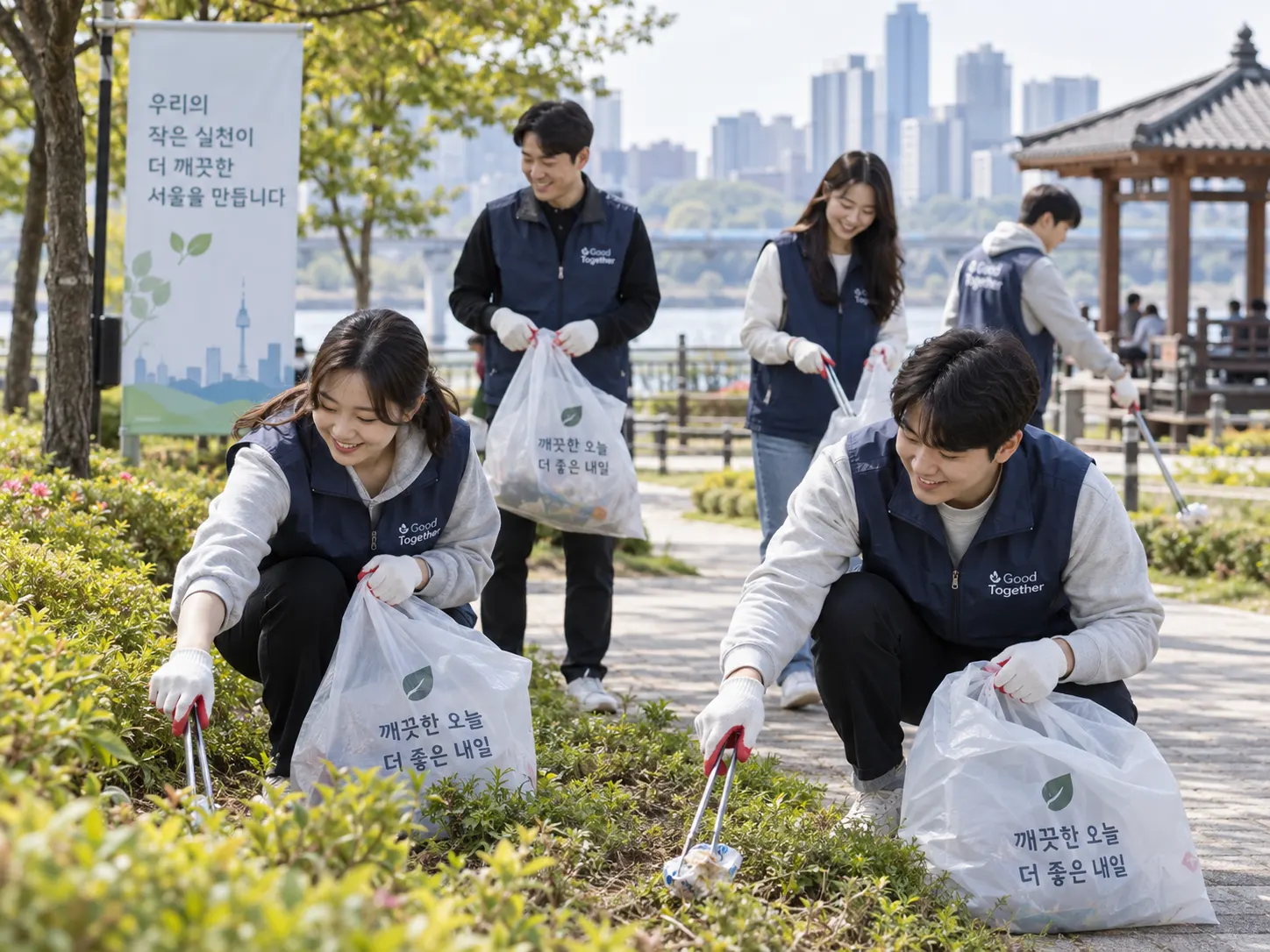
If your Korean employer has mentioned participation in a corporate social responsibility (CSR) event or volunteer day, and you're unsure whether attendance is genuinely optional, what these programs typically involve, or how they fit into broader Korean corporate culture, understanding how CSR and employee volunteer programs function at Korean companies helps you navigate participation appropriately rather than guessing at expectations.
Here's how Korean corporate volunteer and CSR programs typically work.
Why CSR Programs Are Prominent in Korean Corporate Culture
- Large Korean conglomerates have historically invested significantly in visible corporate social responsibility initiatives, partly reflecting genuine philanthropic commitment and partly reflecting the significant public visibility and reputation considerations that come with being a major, publicly recognized company in Korea's relatively concentrated corporate landscape.
- Employee volunteer participation is often built into these broader CSR initiatives, companies organizing specific volunteer days, community service events, or ongoing volunteer programs employees can join, functioning as both genuine community contribution and a visible demonstration of company values.
- Smaller companies and startups generally have more modest or informal CSR activity, if any structured program exists at all, understanding your specific company's actual scale and approach to this kind of program, rather than assuming a universal standard, matters for setting realistic expectations.
Is Participation Actually Mandatory?
- Formal policy generally states voluntary participation, similar to the broader pattern covered in how Korean workplace culture around participation and hierarchy works, but practical workplace expectations sometimes exceed the strictly stated voluntary framing, particularly for company-wide or department-organized events where visible non-participation might be noticed.
- Team or department-specific volunteer events, organized at a more local level within a larger company, sometimes carry somewhat stronger informal participation expectations than a broader company-wide optional program, understanding your specific team's actual practiced norm, rather than the formal company-wide policy alone, matters for reading the situation accurately.
- New employees, similar to broader onboarding participation expectations covered in how workplace onboarding works, sometimes benefit from somewhat more consistent early participation in these kinds of team activities specifically to build early team relationships and demonstrate genuine engagement, even where the formal framing remains technically voluntary.
Common Types of Corporate Volunteer Activities
- Community service events, environmental cleanup activities, volunteering at social welfare facilities, or participating in broader community support initiatives, represent common structured volunteer activity types organized through company CSR programs.
- Specific skill-based volunteering, some programs specifically leverage employee professional skills for community benefit, mentorship programs for underserved youth, or professional skill-sharing initiatives, representing a somewhat different volunteer model than general labor-based community service.
- Disaster relief and specific cause-related campaigns, larger companies sometimes organize specific volunteer or donation campaigns in response to particular events or ongoing social causes, participation in these more occasional, specific-cause activities generally carries a more genuinely optional framing than regularly scheduled programs.
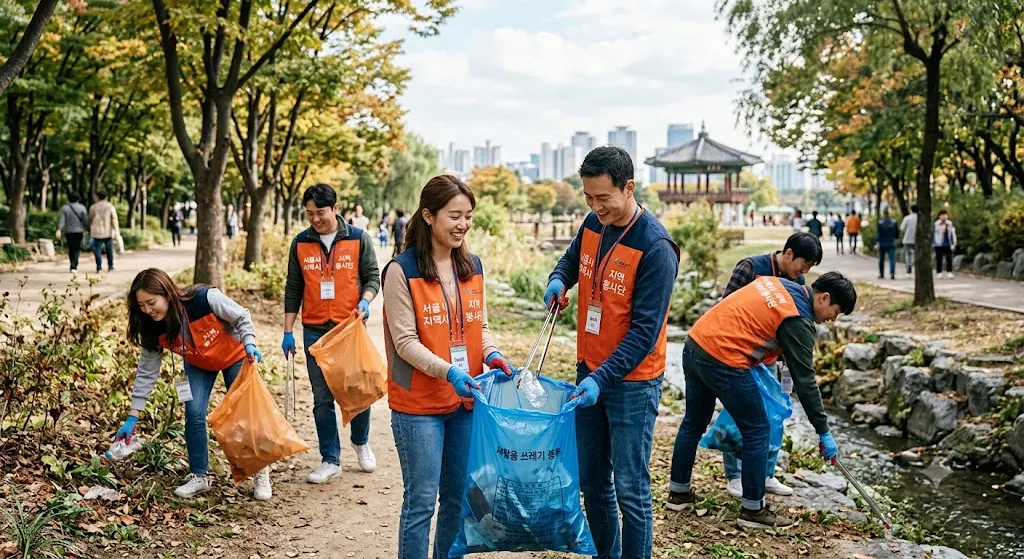
How to Approach Participation as a Foreign Employee
- Observe how colleagues at your specific level actually approach these programs, rather than relying solely on the formal stated policy, gives a more accurate picture of actual practiced expectations at your specific company and team.
- Genuine participation when you do attend tends to be noticed and appreciated, similar to broader Korean workplace culture's emphasis on visible engagement and effort, approaching a volunteer event with genuine participation rather than minimal, reluctant attendance tends to reflect better on you professionally, if you do choose or feel appropriate to attend.
- Understanding these programs as a genuine opportunity for team relationship-building and community engagement, rather than purely an obligation to navigate, can help you get more genuine value from participation, similar to how appropriate hoesik participation contributes to team relationship-building covered elsewhere.
Common Mistakes Foreign Employees Make
- Assuming complete optionality based solely on formal stated policy, missing informal team or company-level expectations that, while not strictly mandatory, genuinely factor into how engagement and team participation are perceived.
- Not observing how colleagues at a similar level actually approach these programs, applying either extreme assumption, complete obligation or complete optionality, rather than accurately reading your specific workplace's actual practiced norm.
- Approaching participation with visible reluctance when attending, rather than either genuinely engaging or making a considered, respectful decision not to participate, missing the opportunity for either genuine positive team relationship-building or a clean, professional non-participation.
- Not recognizing these programs as a genuine networking and relationship-building opportunity, treating them purely as an obligation to minimize rather than an opportunity that, approached thoughtfully, can genuinely benefit workplace relationships and integration.
Quick Summary
- Korean corporate CSR and volunteer programs are particularly prominent at larger conglomerates, reflecting both genuine philanthropic commitment and company reputation considerations, smaller companies generally have more modest or informal programs.
- Formal participation policy generally states voluntary attendance, though practical team-level expectations sometimes exceed this formal framing, particularly for company-wide or department-organized events.
- Common volunteer activities include community service events, skill-based volunteering, and occasional cause-specific campaigns, each carrying somewhat different practical participation expectation levels.
- Observing how colleagues at your specific level actually approach these programs, and genuinely engaging when you do participate, helps you navigate these programs appropriately as both a professional consideration and genuine community engagement opportunity.