Business
How Korean Corporate Wellness and Employee Benefit Programs Work
By New In Korea TeamPublished Updated

If your Korean employer offers something called "복지포인트" (welfare points) or mentions various corporate wellness benefits during onboarding, and you're not sure what these actually cover or how to use them, understanding Korea's specific approach to corporate employee benefits beyond base salary helps you take full advantage of what's often a genuinely valuable, underused part of your total compensation package.
Here's how Korean corporate wellness and employee benefit programs typically work.
Welfare Points (복지포인트): A Distinctly Korean Benefit Structure
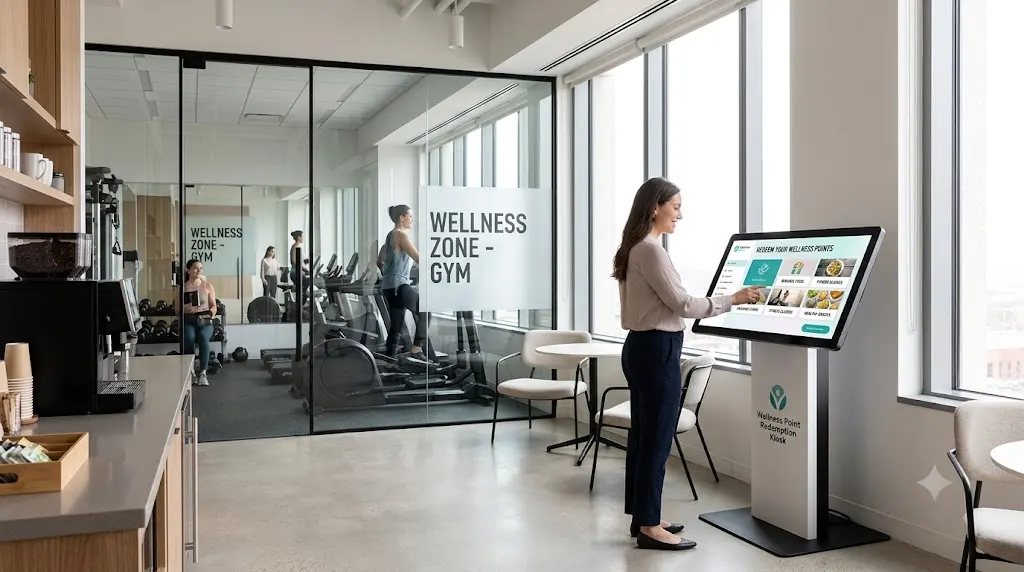
- Many Korean companies, particularly larger ones, allocate an annual welfare point budget to each employee, functioning as a flexible spending allowance you can apply toward a range of pre-approved categories, gym memberships, health checkups beyond standard NHI coverage, cultural activities, or specific approved purchases, rather than a single fixed benefit.
- These points generally expire annually, unlike accumulated savings, understanding your specific company's point allocation and expiration timeline matters for actually using this benefit rather than letting unused points lapse at year end.
- The specific approved spending categories vary by company, some offer broad flexibility across many categories, others restrict usage to a narrower set of company-approved options, checking your specific company's welfare point system details, generally available through HR or an internal benefits portal, matters for understanding what's actually available to you.
Health-Related Benefits Beyond Standard NHI
- Some companies offer subsidized or fully covered health checkups exceeding the standard NHI biennial screening, as covered in how health screenings and preventive care work, a more comprehensive annual or more frequent checkup, sometimes at a partner hospital with additional testing beyond the NHI standard package.
- Gym membership subsidies or on-site fitness facilities, particularly at larger companies with dedicated office campuses, represent another common health-related benefit category, worth checking whether your specific company offers this either as a standalone benefit or as an eligible welfare point spending category.
- Mental health support programs, some larger or more progressive companies now offer employee assistance programs including confidential counseling access, as touched on in how mental health support works for foreigners in Korea, worth checking whether your specific employer offers this kind of program, given it's become an increasingly common benefit category at more forward-thinking Korean companies.
Other Common Corporate Benefit Categories
- Meal subsidies or on-site cafeteria access, extremely common at Korean companies of various sizes, either a direct meal allowance or actual subsidized cafeteria meals, representing a genuinely meaningful daily cost offset worth understanding as part of your total compensation picture.
- Housing-related support, particularly at larger companies or for certain roles, sometimes includes housing allowance or, less commonly, actual company-provided housing or dormitory access, particularly relevant for roles requiring relocation or for companies located outside major cities where housing access might otherwise be more challenging.
- Educational and self-development support, language learning subsidies, professional certification support, or conference attendance funding, represent another benefit category some companies offer, worth asking specifically about this if professional development matters to your career planning while in Korea.
How to Actually Access and Use These Benefits
- Check your specific company's internal HR portal or benefits documentation thoroughly, rather than assuming you understand the full benefit package from your initial onboarding summary alone, many companies have more comprehensive benefit offerings than what gets prominently highlighted during the hiring process.
- Ask HR directly about specific benefit usage procedures, particularly for welfare points or health-related benefits, understanding the actual claim or redemption process, rather than assuming benefits are automatically applied without any action needed on your part.
- Track expiration timelines for time-limited benefits, particularly welfare points or annual allowances, setting a personal reminder well before year-end to ensure you actually use benefits you're entitled to rather than letting them lapse unused.
Common Mistakes Foreign Employees Make
- Not fully understanding the complete benefit package available, focusing primarily on base salary during job evaluation and onboarding, missing genuinely valuable benefits that meaningfully add to total compensation once properly understood and utilized.
- Letting welfare points or other time-limited benefits expire unused, not tracking annual expiration timelines, effectively forfeiting compensation that was genuinely available to them.
- Not asking HR directly about specific benefit usage procedures, assuming a benefit either doesn't apply to them or isn't available, when a direct question to HR would have clarified genuine eligibility and access process.
- Not comparing total compensation, including benefits, when evaluating job offers, focusing narrowly on base salary comparison alone, missing how meaningfully different companies' actual benefit packages can affect overall total compensation value.
Quick Summary
- Many Korean companies offer welfare points (복지포인트), a flexible annual spending allowance for approved categories like health checkups, gym memberships, or cultural activities, generally expiring annually if unused.
- Health-related benefits beyond standard National Health Insurance, more comprehensive checkups, gym subsidies, and increasingly mental health support programs, represent valuable benefit categories worth understanding specifically for your employer.
- Meal subsidies, housing-related support, and educational development funding represent other common Korean corporate benefit categories, worth asking HR directly about your specific company's full offering.
- Actively checking your company's complete benefits documentation and tracking expiration timelines for time-limited benefits helps you fully utilize your actual total compensation rather than leaving genuine value unused.