Business
How Korean Corporate Holiday Bonuses and Seasonal Pay Work
By New In Korea TeamPublished Updated
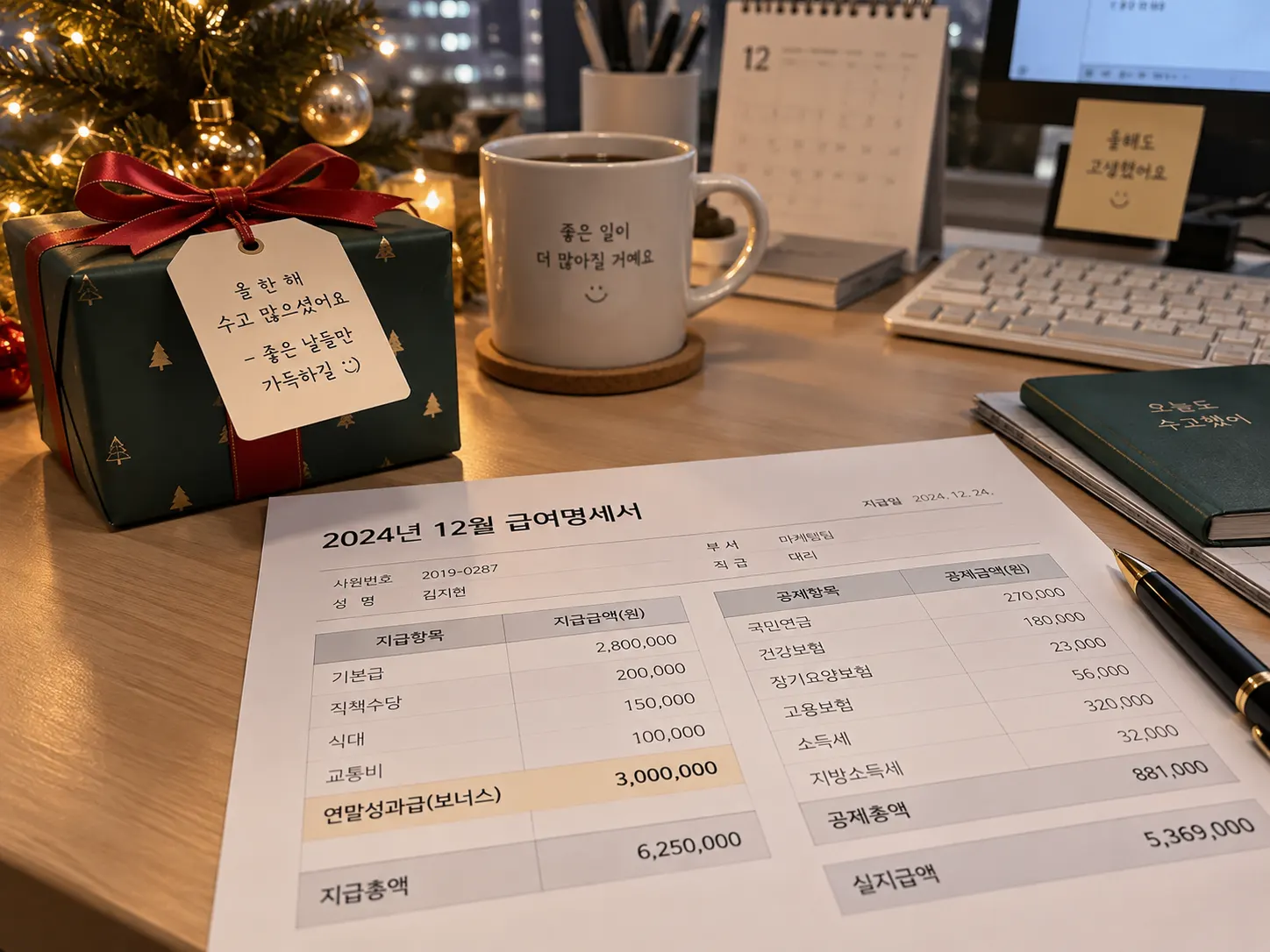
If you've heard Korean coworkers discussing a specific bonus tied to Chuseok or Seollal, or noticed your payslip includes an unexpected additional payment around these holiday periods, understanding how Korean seasonal and holiday bonus structures typically work, and whether they're a guaranteed entitlement or a discretionary company benefit, helps you understand this specific aspect of Korean compensation practice rather than being caught off guard by either receiving or not receiving an expected payment.
Here's how Korean corporate holiday bonuses and seasonal pay structures typically work.
Holiday Bonuses: Common Practice, Not Universal Legal Requirement
- Unlike the legally mandated severance pay and annual leave entitlements covered elsewhere, holiday bonuses tied to Chuseok and Seollal are generally a company policy matter rather than a universal legal requirement, meaning whether you receive one, and how much, depends entirely on your specific employer's compensation structure rather than a guaranteed baseline entitlement.
- Many established Korean companies do include holiday bonuses as a standard, expected part of their compensation structure, particularly larger, more traditional companies, though the specific amount and structure varies considerably, sometimes a fixed amount, sometimes tied to a percentage of base salary or performance metrics.
- Understanding your specific employment contract's actual language around bonus compensation, rather than assuming a universal Korean corporate practice applies to your specific situation, matters for accurate compensation expectations, checking your offer letter or contract specifically for any stated bonus structure avoids relying on general assumptions.
Common Bonus Structures Beyond Holiday-Specific Payments
- Annual or semi-annual performance bonuses, tied to individual or company performance metrics, represent another common Korean corporate bonus category, distinct from holiday-specific bonuses, sometimes both types exist simultaneously at a single company, sometimes only one or the other.
- Year-end bonuses, sometimes combined with or distinct from a specific holiday bonus, represent another common seasonal payment pattern, particularly at companies following a more traditional Korean corporate compensation structure.
- 13th-month-equivalent or salary multiplier bonus structures, where total annual compensation is effectively structured as more than 12 standard monthly payments through periodic bonus additions, represent a specific structural pattern at some Korean companies, understanding whether your specific company operates this way, versus a more standard flat monthly salary with occasional discretionary bonus, matters for accurately projecting your actual total annual compensation.

What to Clarify When Evaluating Compensation
- Ask specifically about bonus structure during salary negotiation or offer evaluation, as covered in how salary negotiation works for foreign employees, rather than assuming any specific bonus practice applies universally, getting clarity on your specific company's actual bonus structure, if any, before accepting an offer helps you accurately understand total expected annual compensation.
- Understand whether stated bonuses are guaranteed or genuinely discretionary, some company bonus structures function as essentially guaranteed, standard compensation despite technically being called a "bonus," while others are genuinely tied to specific performance thresholds or company profitability, and can vary meaningfully or not be paid at all in a difficult year.
- Clarify timing and payment method, understanding when specifically holiday or seasonal bonuses are typically paid relative to the actual holiday dates, and whether this appears as a distinct payslip line item or is somehow folded into a specific month's regular payment, helps you accurately anticipate your actual cash flow throughout the year.
Tax Treatment of Bonus Payments
- Bonus payments are generally subject to standard Korean income tax treatment, similar to regular salary income, though the specific timing and calculation method can sometimes create a different effective withholding pattern for that specific payment compared to your regular monthly salary, as touched on in how to read a Korean payslip.
- Understanding this tax treatment helps you avoid being surprised by a bonus payment that, after tax withholding, nets out to a smaller take-home amount than the gross bonus figure initially suggested.
Common Mistakes and Misunderstandings
- Assuming holiday bonuses represent a universal legal entitlement similar to annual leave or severance pay, when in practice this specific benefit category depends entirely on individual company policy rather than a guaranteed baseline right.
- Not clarifying bonus structure specifics during job offer evaluation, accepting a position without understanding whether stated compensation figures include or exclude typical bonus expectations, leading to a potentially inaccurate understanding of actual total annual compensation.
- Assuming a stated bonus is guaranteed regardless of company or individual performance, when the specific bonus structure at their company may genuinely be more discretionary or performance-contingent than initially assumed.
- Not understanding the tax treatment of bonus payments, being surprised by a smaller-than-expected net amount after tax withholding on a specific bonus payment.
Quick Summary
- Korean holiday bonuses tied to Chuseok and Seollal represent common but not universally legally mandated company practice, understanding your specific employer's actual bonus structure, rather than assuming a universal norm, matters for accurate compensation expectations.
- Beyond holiday-specific bonuses, performance bonuses and year-end bonus structures represent other common Korean corporate compensation patterns, some companies effectively structure total annual pay as more than 12 standard monthly payments through this bonus structure.
- Clarifying your specific company's bonus structure, whether guaranteed or genuinely discretionary, and understanding payment timing, during job offer evaluation helps you accurately project total annual compensation.
- Bonus payments generally follow standard Korean income tax treatment, understanding this helps you avoid being surprised by a smaller net amount than the gross bonus figure initially suggested.