How to Build Credit History in Korea as a Foreigner
If you've lived in Korea for a while and applied for a credit card, a phone contract, or even a rental deposit loan, you may have noticed the process felt harder than it should, despite having a stable job and income. The reason usually comes down to credit history: Korea's credit scoring system generally doesn't recognize whatever credit history you built in your home country, so most foreigners are starting from zero, regardless of age or financial track record elsewhere.
Here's how Korea's credit system actually treats foreigners, what it takes to start building a score, and where people get stuck.
Why Your Foreign Credit History Doesn't Transfer
Korea's two main credit bureaus, NICE and KCB, calculate scores based on domestic financial activity only, banking transactions, card usage, loan repayment, and utility payments made within Korea. A strong credit history in the US, UK, or elsewhere has no direct bearing on your Korean credit score, since there's no data-sharing system between Korean bureaus and foreign ones.
This means a foreigner who's had a credit card for fifteen years abroad and a recent graduate opening their first Korean bank account are often treated similarly by Korean credit scoring in year one, both start with limited or no domestic credit file.
What Actually Builds Credit in Korea
A few concrete actions build a credit file over time:
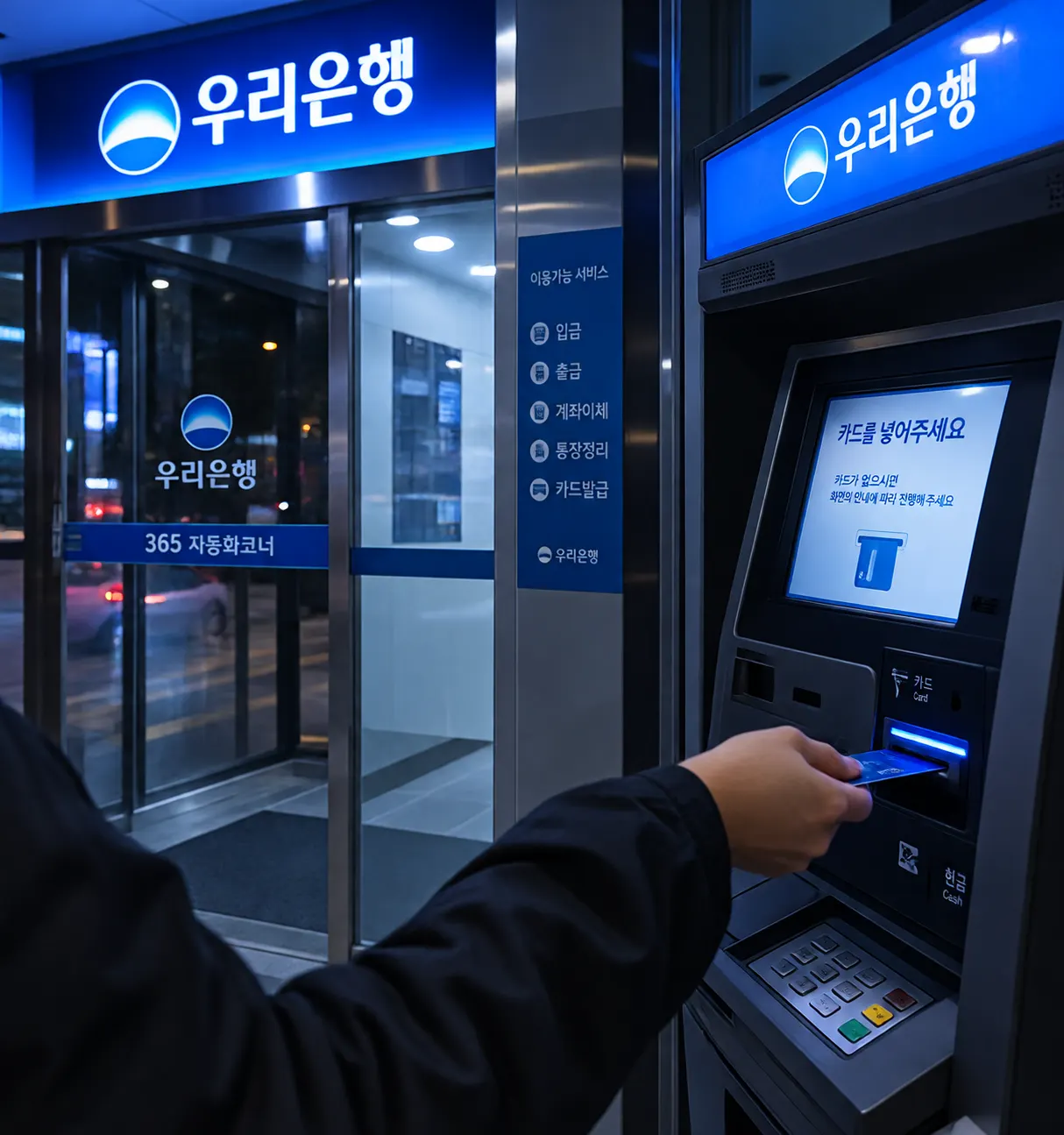
- Opening and consistently using a Korean bank account, ideally with regular deposits (salary, for example) and bill payments, since payment history through the account contributes to your financial profile.
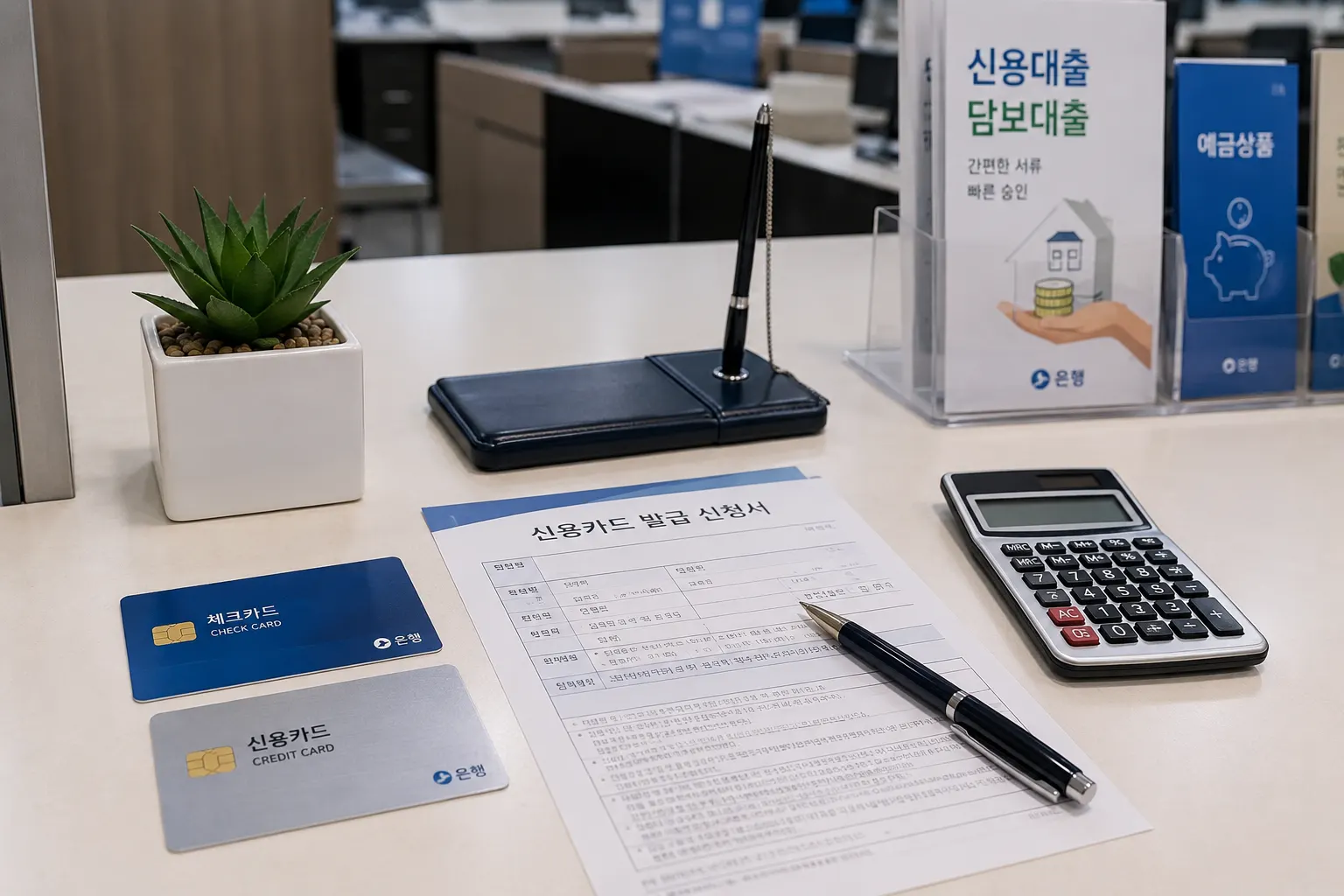
- Getting a Korean debit or check card (체크카드) and using it regularly, this is more accessible than a credit card for newcomers and still factors into your usage history.
- Qualifying for and responsibly using a Korean credit card, once eligible, since on-time payments are one of the most heavily weighted factors in most credit models.
- Paying utility and phone bills on time through a Korean account, especially postpaid mobile plans, which are sometimes reported to credit bureaus depending on the carrier.
- Maintaining continuous residency and employment documentation, since credit assessments often factor in visa stability and income consistency, not just transaction history.
When You Become Eligible for a Credit Card
Most Korean banks require some combination of the following before approving a foreigner for a credit card:
- At least six months to a year of employment in Korea with a documented, stable income.
- A registered Alien Registration Card (ARC) with sufficient time remaining on your visa, since banks are cautious about issuing credit to someone who might leave the country soon.
- An existing relationship with the issuing bank, often meaning you already hold a checking account and ideally a check card with that bank first.
F-series visa holders (F-2, F-5, F-6) generally have an easier time here, since their residency isn't tied to a single employer, which banks view as lower risk. E-series visa holders can usually get approved as well, but it may take longer and require more documentation upfront.
Common Misunderstandings
A frequent assumption is that a debit or check card builds credit the same way a credit card does. In practice, check card usage contributes some data to your financial profile, but it doesn't carry the same weight as revolving credit and on-time repayment does, since there's no borrowing or repayment behavior involved. If your goal is a strong credit score for something like a housing loan later, a check card alone usually isn't enough.
Another misconception is that having no debt automatically means a high credit score. In Korea, as in many systems, having zero credit activity can actually keep your score in a middle range rather than a high one, since bureaus have little data to assess. A thin file isn't necessarily a negative signal, but it's also not the same as an excellent one.
Why This Matters Beyond Credit Cards
Credit history in Korea affects more than just card approval:
- Phone contracts: postpaid plans sometimes run a light credit check, and poor or absent credit can result in requiring a deposit upfront.
- Rental deposit loans (전세자금대출): for foreigners looking into jeonse-style rentals, a documented credit and income history is often required by the lending bank.
- Installment purchases: many Korean retailers offer 0% interest installment plans on electronics or furniture through credit cards, an option unavailable without one.
A Realistic Timeline
Building a usable credit profile in Korea generally isn't instant. A rough progression many foreigners experience:
- Months 1–3: open a bank account and check card, start regular use.
- Months 3–6: continue building a payment pattern, ideally through direct deposit and bill autopay.
- Months 6–12: apply for a first credit card, often starting with a low limit.
- Year 1–2 and beyond: consistent, on-time payments gradually improve your score, opening up options like larger credit limits or loan eligibility.
Quick Summary
- Korean credit bureaus (NICE and KCB) don't recognize foreign credit history, so most foreigners start with a limited domestic file regardless of financial background abroad.
- A Korean bank account and check card are accessible early steps, but a credit card with on-time repayment builds a stronger score over time.
- Most banks require roughly six months to a year of stable Korean income and sufficient visa validity before approving a foreigner for a credit card.
- Credit history affects more than cards, it can influence phone contract terms and eligibility for rental deposit loans later on.