Finance
How Korean Pawn Shops and Quick Cash Services Actually Work
By New In Korea TeamPublished Updated

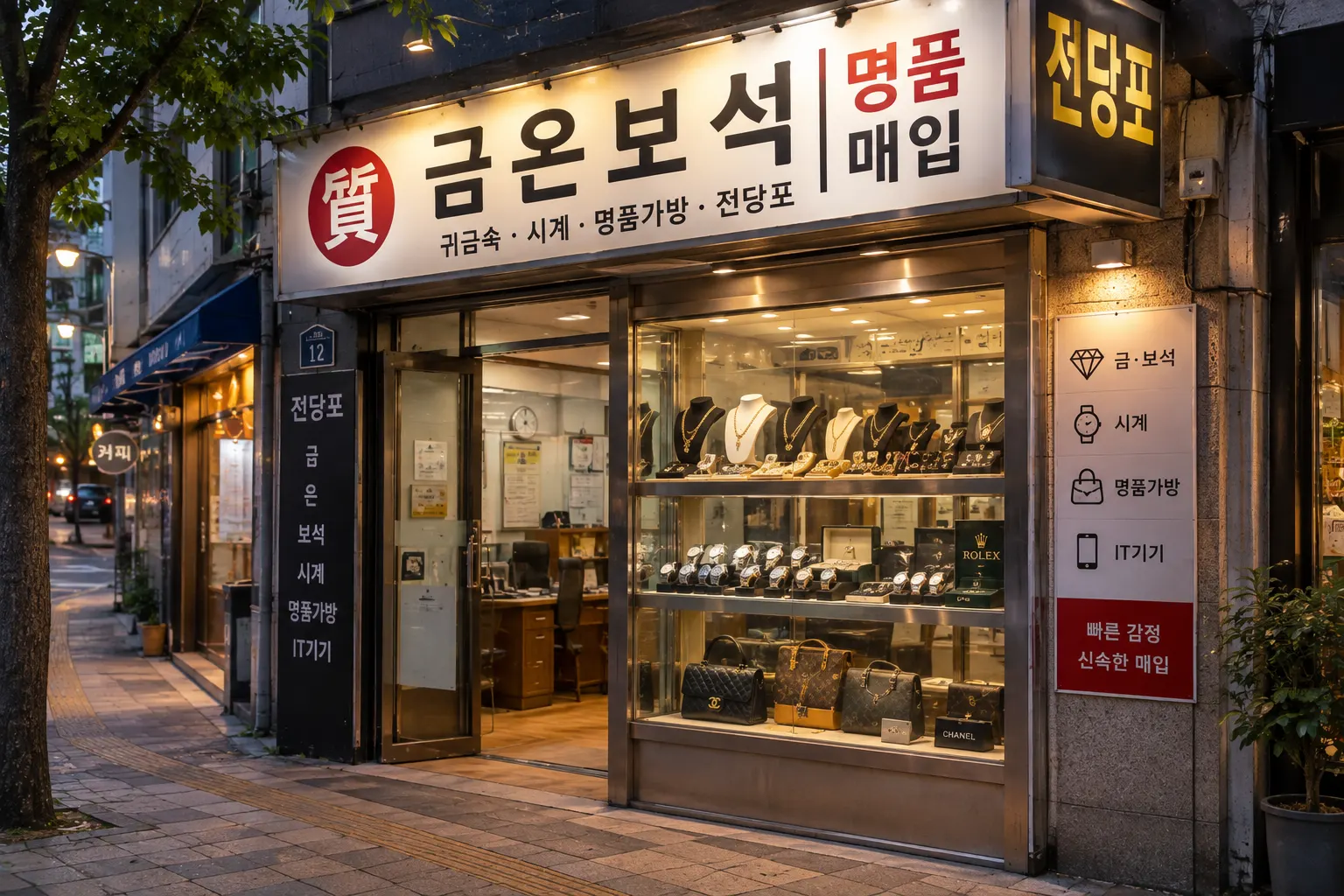
If you've noticed pawn shops (전당포) in Korean neighborhoods and wondered how they actually function, whether they're a legitimate, regulated option for quick cash, or how they compare to other short-term borrowing options, Korea's pawn shop industry operates under specific regulation distinct from how you might picture pawn shops from other countries, and understanding both the legitimate use cases and the genuine risks helps you make an informed decision if you're ever considering this option.
Here's how Korean pawn shops actually work, and what to understand before using one.
How Korean Pawn Shops Function
- A pawn shop provides a short-term loan secured against an item of value, jewelry, electronics, luxury goods, and similar items commonly accepted, you receive cash upfront and the shop holds your item as collateral, with the loan structured around a set repayment period and interest rate.
- If you repay the loan within the agreed period, you get your item back, if you don't repay, the shop generally keeps and can sell the collateral item, a fundamentally different risk structure than a standard personal loan where non-repayment leads to broader credit and collections consequences rather than simply forfeiting a specific item.
- Korean pawn shops are regulated businesses, subject to specific licensing and interest rate cap regulations, though understanding that regulation exists doesn't mean every individual shop operates with equal transparency or fairness, checking a specific shop's legitimacy and understanding the exact terms before pawning anything matters significantly.
Interest Rates and Terms to Understand
- Interest rates at pawn shops are generally considerably higher than a standard bank personal loan, reflecting both the short-term nature of the loan and the reduced underwriting requirements, since the shop is primarily relying on the collateral value rather than your creditworthiness or income documentation.
- Legal interest rate caps exist in Korea, regulating the maximum rate a licensed pawn shop can charge, understanding the current legal cap and confirming a specific shop's stated rate falls within this limit matters for avoiding an illegally excessive rate.
- The loan period and any extension terms should be clearly understood before pawning an item, confirming what happens if you need additional time to repay, whether extension is possible and what additional cost that involves, avoids an unexpected total cost or losing your item earlier than anticipated.
When Pawn Shops Might Be Considered vs. Better Alternatives
- A genuine short-term cash need with a clear, reliable repayment plan and an item you're comfortable temporarily risking represents the more reasonable use case for this kind of borrowing, understanding this is fundamentally a higher-cost, higher-risk borrowing option compared to more traditional alternatives.
- A standard personal loan, even with the eligibility challenges covered in how loan eligibility works for foreign residents, generally represents a lower-cost borrowing option if you have any realistic path to qualifying, worth exploring this route first before considering a pawn shop specifically due to the meaningfully different cost and risk structure.
- For foreign residents without established Korean credit history making standard loan approval more difficult, a pawn shop's collateral-based approval process, not dependent on Korean credit history the way a standard loan is, sometimes represents one of the few accessible borrowing options, understanding this practical accessibility trade-off against the meaningfully higher cost matters for an informed decision.
What to Check Before Using a Pawn Shop
- Confirm the shop's legitimate licensing status, a properly licensed pawn shop operates within Korea's specific regulatory framework, checking this before engaging with an unfamiliar shop provides some baseline consumer protection.
- Get the loan terms in writing clearly, interest rate, loan period, extension terms, and what happens specifically if you don't repay within the period, understanding the complete terms before finalizing the transaction avoids confusion or dispute later.
- Realistically assess the item's actual value versus the loan amount offered, pawn shops generally offer a loan amount below the item's full market value, providing a margin for the shop's own risk, understanding this discount helps you evaluate whether the terms are reasonable for your specific item.
- Have a clear, realistic repayment plan before pawning anything meaningful to you, given the genuine risk of losing the item if repayment doesn't happen within the agreed period.
Common Mistakes and Misunderstandings
- Not understanding the true cost of the loan, focusing solely on the immediate cash received without fully calculating the total repayment cost including interest, leading to a larger than expected total repayment obligation.
- Pawning an item without a realistic repayment plan, treating the transaction more casually than the genuine risk of losing a valued item warrants.
- Using an unlicensed or informal lending arrangement rather than a properly licensed pawn shop, missing the baseline consumer protections that licensed regulation provides.
- Not considering lower-cost alternatives first, defaulting to a pawn shop without exploring whether a standard personal loan or other borrowing option might be accessible and meaningfully less expensive for your specific situation.
Quick Summary
- Korean pawn shops provide short-term loans secured against valuable items, regulated under specific licensing and interest rate cap rules, though individual shop transparency and fairness still varies.
- Interest rates are generally considerably higher than standard bank loans, reflecting the reduced underwriting and short-term, collateral-based lending structure.
- Standard personal loans generally represent a lower-cost borrowing alternative if accessible, pawn shops sometimes offer more accessible approval for foreign residents without established Korean credit history, at meaningfully higher cost.
- Confirming a shop's legitimate licensing, understanding complete loan terms in writing, and having a realistic repayment plan matter significantly given the genuine risk of losing pawned items if repayment doesn't happen within the agreed period.