Finance
How Korean Peer-to-Peer Lending and Alternative Finance Platforms Work
By New In Korea TeamPublished
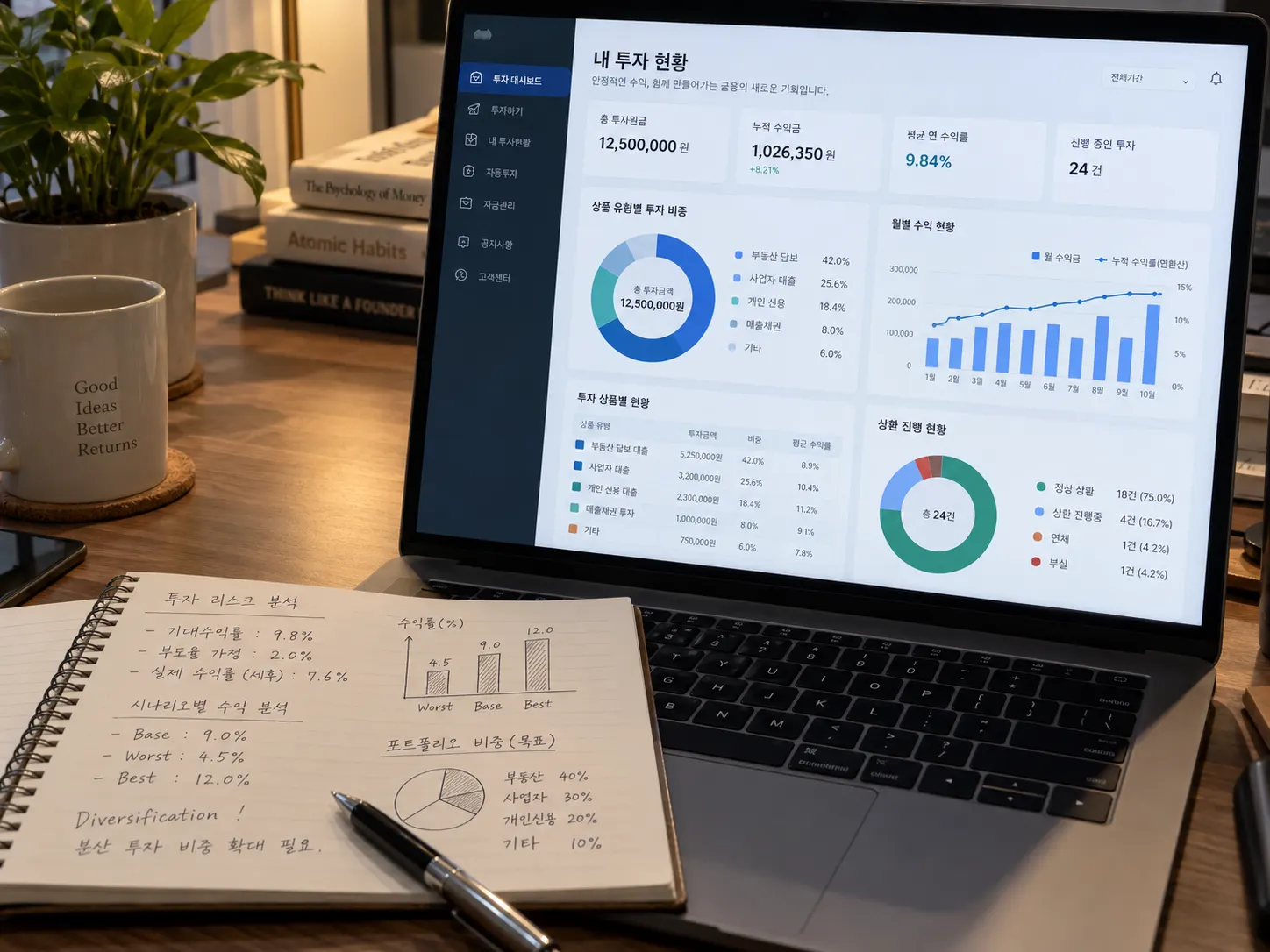
If you've come across Korean P2P lending platforms offering higher returns than standard savings accounts, or considered using one as a borrower for a smaller loan outside traditional bank channels, understanding how this specific alternative finance category is regulated, what the genuine risks are, and whether foreign residents can actually participate helps you approach these platforms with appropriate caution rather than treating them as a simple, risk-free savings alternative.
Here's how Korean peer-to-peer lending and alternative finance platforms actually work.
What P2P Lending Platforms Actually Do
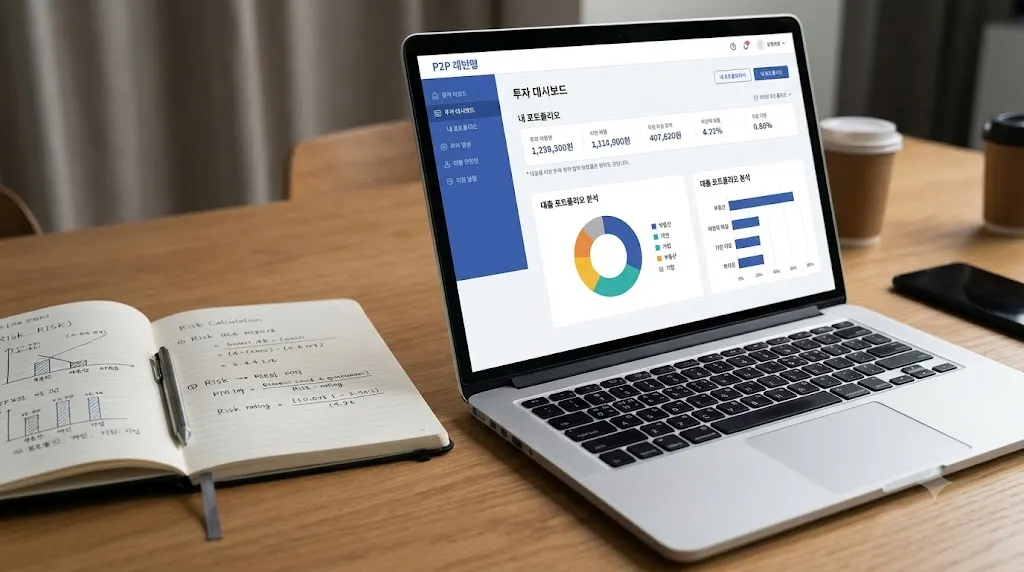
- P2P (peer-to-peer) lending platforms connect individual or business borrowers with individual investors funding those loans, rather than a traditional bank acting as the intermediary, investors earn interest on the loans they fund, while borrowers access financing sometimes more quickly or with different eligibility criteria than traditional bank lending.
- Korea has developed specific regulation for this industry, following some earlier growing pains and platform failures in the sector's early years, current regulated platforms operate under the Online Investment-Linked Finance Act, providing a more structured regulatory framework than the industry's less regulated earlier period.
- Understanding that regulated platforms exist alongside less legitimate or higher-risk operators matters significantly, verifying that a specific platform actually operates under proper current licensing, rather than assuming any P2P-branded service is equally regulated and safe, is an essential first step before engaging with any specific platform.
The Genuine Risk Profile for Investors
- Higher advertised returns compared to standard savings accounts reflect genuinely higher risk, not a risk-free premium, P2P lending investment carries real default risk, if a borrower doesn't repay, investors funding that specific loan can lose some or all of their invested principal, a fundamentally different risk profile than a bank deposit protected under Korea's deposit insurance system.
- Diversification across many small loans, rather than concentrating investment in a single or few large loans, represents a standard risk mitigation approach many experienced P2P investors use, though this doesn't eliminate risk entirely, simply spreads it across a broader pool.
- Understanding that P2P lending investment isn't covered by the same deposit insurance protection that applies to standard bank savings accounts matters significantly for accurately assessing the actual risk you're taking on compared to more traditional, insured savings and investment options.
Foreign Resident Access as Investors
- Most regulated Korean P2P platforms require standard Korean financial verification, an ARC, a Korean bank account, and typically Korean phone verification, similar baseline requirements to other Korean investment platforms covered in how investment options work for foreign residents.
- Some platforms have specific eligibility criteria beyond basic verification, investment amount limits per platform or per specific loan, sometimes varying based on investor experience level or income documentation, worth checking a specific platform's actual eligibility criteria directly rather than assuming universal access.
- Tax treatment for P2P lending investment income follows specific Korean tax rules for this particular investment category, worth understanding this alongside your broader Korean tax situation, particularly if combined with other investment activity, given the genuinely complex overall picture for foreign residents with diverse income sources.
Using P2P Platforms as a Borrower
- Some foreign residents explore P2P lending as a borrowing option, particularly if standard bank loan eligibility, as covered in how loan eligibility works for foreign residents, proves challenging given limited Korean credit history or visa-related considerations.
- Interest rates for P2P borrowing are generally higher than a standard bank loan would offer to an eligible borrower, reflecting the platform's different risk assessment approach and the investor-funded rather than bank-funded lending structure, understanding this cost difference matters for comparing this option realistically against other borrowing alternatives.
- Documentation requirements for borrowers generally still require standard identification and income verification, similar in spirit to standard loan applications, though the specific eligibility criteria and approval process can differ meaningfully from traditional bank lending.
Common Mistakes and Misunderstandings
- Treating high advertised P2P investment returns as risk-free or bank-deposit-equivalent, not fully internalizing the genuine default risk and lack of deposit insurance protection that fundamentally distinguishes this investment category from standard savings.
- Not verifying a specific platform's actual current regulatory status, engaging with a platform without confirming it operates under proper current licensing, given the industry's history of both regulated growth and some earlier problematic operators.
- Not diversifying investment across multiple loans, concentrating significant investment in a single or few loans, meaningfully increasing exposure to a single default's impact on overall returns.
- Not comparing P2P borrowing costs realistically against other options, assuming this represents automatically cheaper or more accessible financing without actually comparing the total cost against standard bank lending or other alternatives covered elsewhere.
Quick Summary
- Korean P2P lending platforms connect individual borrowers with individual investors, operating under specific regulation following the industry's earlier less-regulated growth period, verifying a specific platform's actual current licensing status matters before engaging.
- Higher advertised investor returns reflect genuinely higher risk, including real default risk and a lack of deposit insurance protection, fundamentally different from standard bank savings.
- Foreign residents can generally access regulated P2P platforms as investors with standard Korean financial verification, though specific platform eligibility criteria and investment limits vary.
- Borrowers sometimes explore P2P lending when standard bank loan eligibility proves challenging, though interest rates are generally higher, worth comparing total cost realistically against other borrowing alternatives.