Finance
How Korean Savings Account Types Work for Building Wealth
By New In Korea TeamPublished
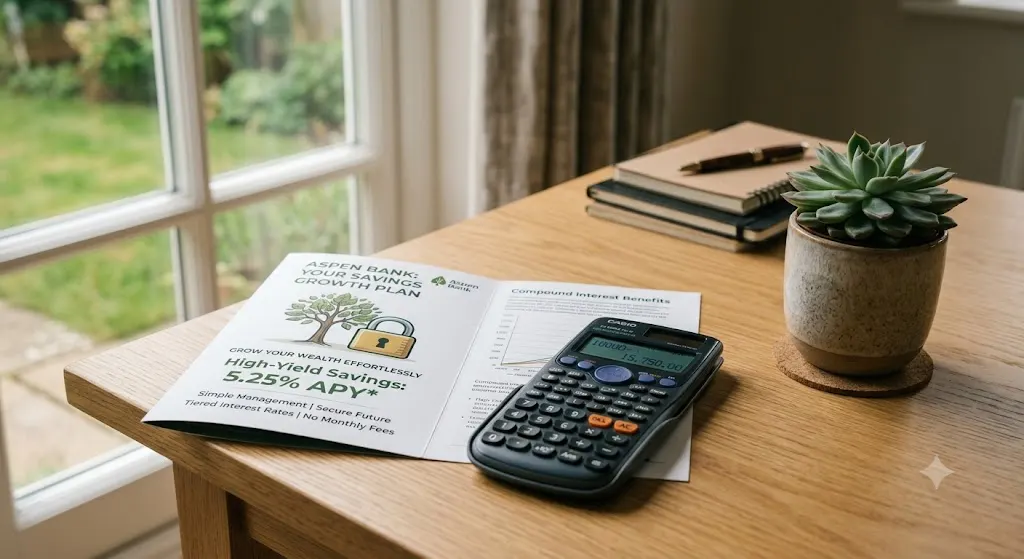
If you've walked into a Korean bank to open a basic savings account and been shown several different product types with unfamiliar names, jeokgeum, yegeum, and various specific promotional products, understanding the actual structural differences between Korea's main savings account categories helps you choose products that genuinely fit your saving goals rather than defaulting to whatever a teller first suggests.
Here's how Korea's main savings account types actually work, and how to think about which fits your situation.
Regular Deposit Accounts (예금, Yegeum)
- A standard deposit account, the most basic account type, functions similarly to a regular checking or savings account in many countries, you deposit and withdraw freely, generally earning minimal interest given the high liquidity and flexibility.
- This account type serves primarily as your everyday transactional account, salary deposits, bill payments, general spending, rather than a genuine savings vehicle, understanding this distinction matters for not expecting meaningful growth from funds simply sitting in a basic deposit account.
- Most foreign residents' first Korean bank account falls into this category, the practical starting point for basic banking before considering more specific savings-focused products.
Time Deposits (정기예금, Jeonggi Yegeum)
- A time deposit involves committing a lump sum for a fixed period, generally ranging from a few months to several years, in exchange for a meaningfully higher interest rate than a standard deposit account, withdrawing before the term ends generally results in a reduced or forfeited interest benefit.
- Interest rates vary by term length and current market conditions, longer commitment periods generally offering higher rates, comparing current rates across a few banks before committing a significant lump sum matters since rates can vary meaningfully between institutions.
- This product suits funds you're confident you won't need access to during the committed period, an emergency fund or genuinely short-term savings goal is generally better suited to a more liquid account type given the early withdrawal penalty.
Installment Savings (적금, Jeokgeum)
- An installment savings account involves committing to regular periodic deposits, generally monthly, over a fixed term, rather than a single lump sum, functioning as a structured, disciplined saving mechanism toward a specific goal or timeline.
- Interest rates for installment savings are often notably attractive, sometimes higher than comparable time deposit rates, particularly for specific promotional products banks periodically offer, though the actual total interest earned reflects the average balance over the term rather than the full final amount, since deposits build up gradually.
- This product genuinely suits foreign residents building savings toward a specific goal, a housing deposit, a planned purchase, or simply general savings discipline, the structured regular deposit requirement can help maintain consistent saving habits compared to a more passive approach.

Choosing Based on Your Actual Savings Goal
- For funds needing regular access, general spending money, an emergency buffer, a standard deposit account remains the appropriate choice despite minimal interest, liquidity matters more than yield for this category of funds.
- For a lump sum you're confident won't be needed for a specific period, a time deposit offers meaningfully better return than leaving the same funds in a basic deposit account, matching the specific term length to your actual timeline avoids an early withdrawal penalty.
- For building savings gradually toward a future goal, an installment savings account provides both a structured saving mechanism and generally attractive interest rates, particularly worth exploring promotional products that periodically offer notably higher rates for new customers or specific savings goals.
Foreign Resident Access to These Products
- Most standard savings products are accessible to foreign residents with an ARC and basic banking relationship established, similar baseline eligibility to opening any standard Korean bank account.
- Some promotional or specially attractive rate products occasionally have specific eligibility restrictions, sometimes tied to specific demographic categories, age brackets, or first-time customer status, checking a specific promotional product's actual eligibility criteria before assuming universal access matters if you're specifically chasing an attractive advertised rate.
- Comparing products across a few different banks, rather than defaulting to whichever bank you happened to open your first account with, since specific savings product rates and terms genuinely vary and change periodically across different institutions.
Common Mistakes Foreign Residents Make
- Leaving significant savings in a basic deposit account indefinitely, missing meaningfully better returns available through a time deposit or installment savings product genuinely suited to their actual savings timeline.
- Committing a lump sum to a time deposit without confirming they won't need the funds during the term, facing an early withdrawal penalty that could have been avoided with a more appropriately matched product choice.
- Not comparing rates across multiple banks, defaulting to whatever their existing bank offers without checking whether a different institution's current promotional rate offers meaningfully better value for the same savings goal.
- Underestimating installment savings' structured discipline value, dismissing this product type without recognizing how the regular deposit commitment can genuinely help build consistent saving habits compared to a more passive, unstructured approach.
Quick Summary
- Korea's main savings account types, basic deposit accounts, time deposits, and installment savings, serve genuinely different purposes based on liquidity needs and savings timeline, understanding these differences helps you choose appropriately rather than defaulting to a single account type.
- Time deposits suit lump sums you're confident won't be needed during a fixed commitment period, offering meaningfully better interest than a basic deposit account in exchange for reduced liquidity.
- Installment savings accounts suit building savings gradually toward a specific goal, offering structured discipline and often attractive interest rates, particularly through periodic promotional products.
- Comparing specific product rates and terms across a few different banks, rather than defaulting to your existing bank, helps you find genuinely better value for your specific savings goal and timeline.