Health
How to Buy Vitamins and Supplements Safely in Korea
By New In Korea TeamPublished
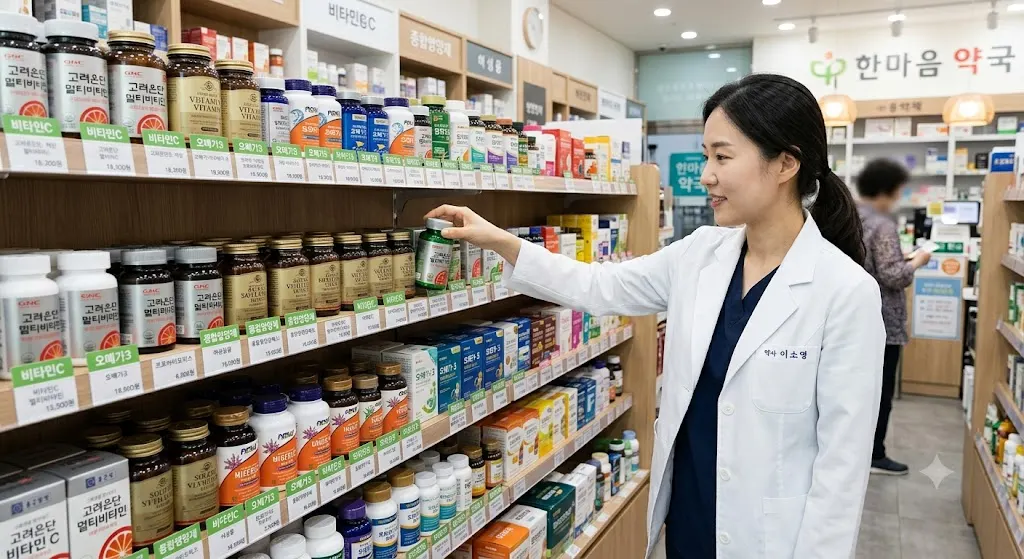
If you've walked into a Korean pharmacy or health store looking for a specific vitamin or supplement you regularly take back home, and found either a confusing range of Korean-branded alternatives or uncertainty about whether a specific product is actually reputable, understanding how Korea's supplement market is regulated and where to actually find reliable products helps you maintain your supplement routine confidently rather than guessing at unfamiliar packaging.
Here's how to buy vitamins and supplements safely and effectively in Korea.
Where Supplements Are Actually Sold
- Pharmacies (약국), as covered in how pharmacies work for foreign visitors, carry a range of common vitamins and supplements alongside their regular medication stock, generally a reliable source given pharmacist oversight and genuine product quality assurance.
- Health food stores and specialty supplement shops, offering a considerably wider range than a typical pharmacy, particularly for specific or less common supplement types, quality and reputation vary more by individual store here than at a licensed pharmacy specifically.
- Large retail chains and department store health sections, along with online marketplaces like Coupang, offer convenient access to both Korean-brand and imported international supplement products, understanding a specific platform's return policy and seller verification matters more here given the less curated retail environment compared to a pharmacy.
Understanding Korean Health Supplement Regulation
- Korea has a specific regulatory category for health functional foods (건강기능식품), requiring registration and approval through the Ministry of Food and Drug Safety, products carrying this official certification mark have undergone a specific government review process for their claimed health function, worth looking for this certification mark specifically when evaluating an unfamiliar Korean supplement brand's legitimacy.
- This regulatory category is distinct from general food products that might make less substantiated health claims without going through this specific certification process, understanding the difference between a certified health functional food and a general food product marketed with vague wellness language helps you make more informed purchasing decisions.
- Imported international supplement brands available in Korea generally still need to meet Korean import and labeling requirements, though the underlying product formulation itself typically matches the original international product, worth checking Korean-language labeling for accurate dosage information matching what you're accustomed to from the original product.
Finding Familiar Products From Home
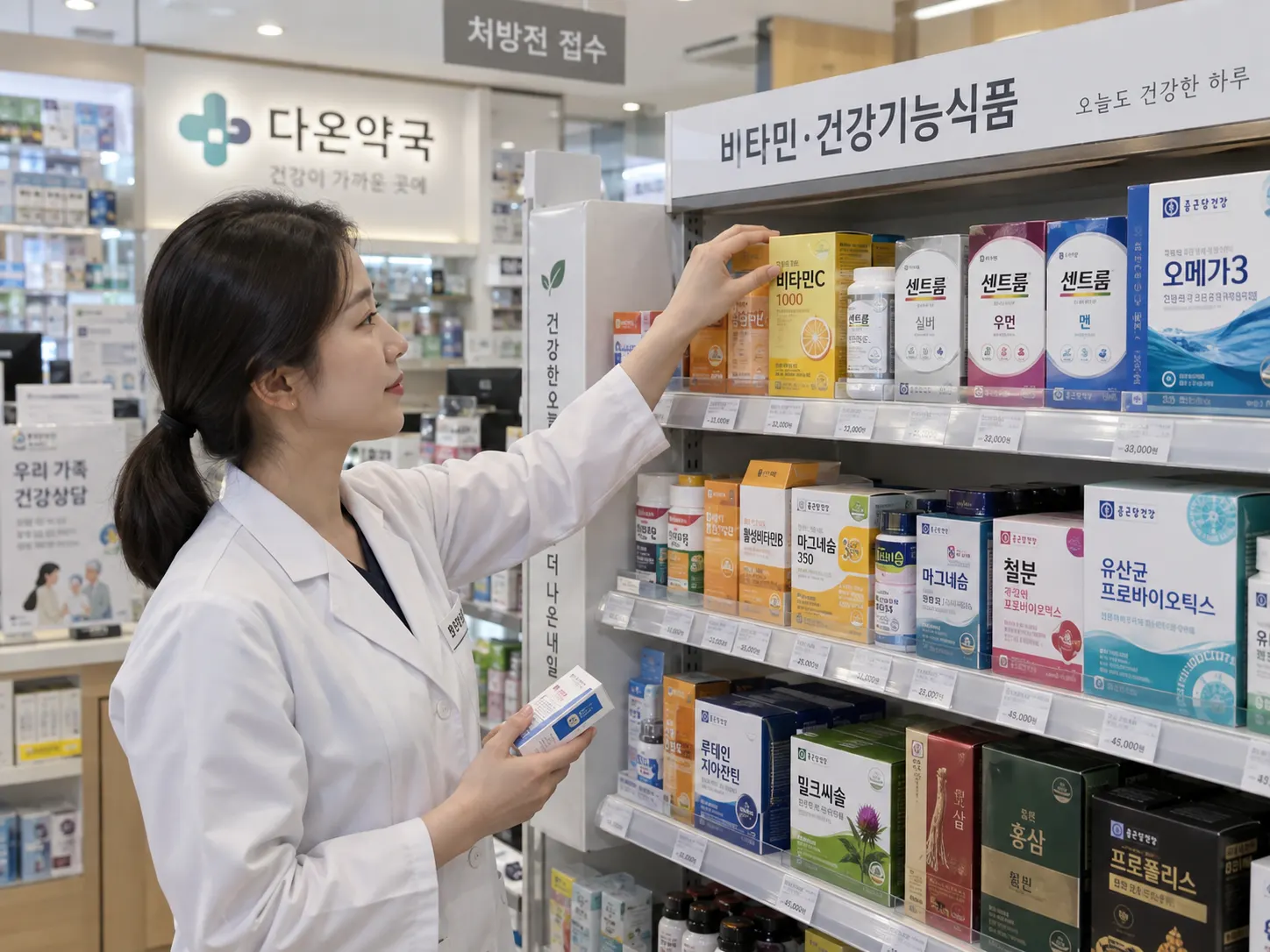
- International supplement brands are increasingly available through larger retail chains, health-focused stores, and online marketplaces, though selection varies considerably compared to what you might be used to, checking a few different retail sources before assuming a specific brand isn't available in Korea at all matters.
- Direct international online ordering, shipping a familiar supplement brand from your home country, remains an option, though understanding Korea's customs rules for shipping personal items, as covered in how customs rules work for shipping items from abroad, matters since certain supplement categories can face specific import restrictions or documentation requirements.
- Consulting with a Korean pharmacist about ingredient equivalence if you're trying to find a local alternative to a specific home-country product, bringing the original product's label or ingredient list helps a pharmacist identify a genuinely comparable Korean or Korean-available alternative rather than guessing based on product name alone.
What to Check Before Buying an Unfamiliar Product
- Look for the official health functional food certification mark if you want assurance the product has gone through Korea's specific regulatory review process for its claimed health benefits.
- Check the actual ingredient list and dosage against what you're accustomed to, rather than assuming a similarly-named or similarly-marketed product automatically matches your usual dosage or formulation.
- Buy from a licensed pharmacy or clearly reputable retailer for anything you're uncertain about, rather than an unfamiliar, unverified online seller, particularly relevant for larger purchases or something you'll be taking regularly.
- Ask a pharmacist directly if you have any specific health conditions or medication interactions to consider, similar caution applies to supplements as to any health product given potential interactions with prescribed medication you might be taking.
Common Mistakes Foreign Residents Make
- Assuming any product on a store shelf has undergone the same regulatory scrutiny, not distinguishing between certified health functional foods and general products making less substantiated claims.
- Not checking dosage and ingredient equivalence carefully when switching to a Korean or Korean-available alternative to a home-country product, potentially ending up with a meaningfully different dosage than intended.
- Overpaying for imported convenience without checking whether a comparable, appropriately certified Korean alternative exists at a more reasonable price, worth comparing options rather than defaulting immediately to importing a familiar brand.
- Not consulting a pharmacist about potential medication interactions, particularly relevant if managing a chronic condition with prescribed medication, treating supplement purchases as entirely separate from your broader healthcare picture when they genuinely aren't.
Quick Summary
- Pharmacies, health food stores, and larger retail chains all sell vitamins and supplements in Korea, with pharmacies generally offering the most reliable oversight for common products.
- Korea's health functional food certification (건강기능식품) represents a specific government-reviewed regulatory category, worth looking for this mark when evaluating an unfamiliar Korean supplement brand's legitimacy.
- International supplement brands are increasingly available through various Korean retail channels, though checking dosage and ingredient equivalence against what you're accustomed to matters when switching products.
- Consulting a pharmacist directly, particularly if you have specific health conditions or take prescribed medication, helps you make informed supplement choices rather than navigating unfamiliar products alone.