Health
How Sleep Clinics and Sleep Disorder Treatment Work in Korea
By New In Korea TeamPublished Updated
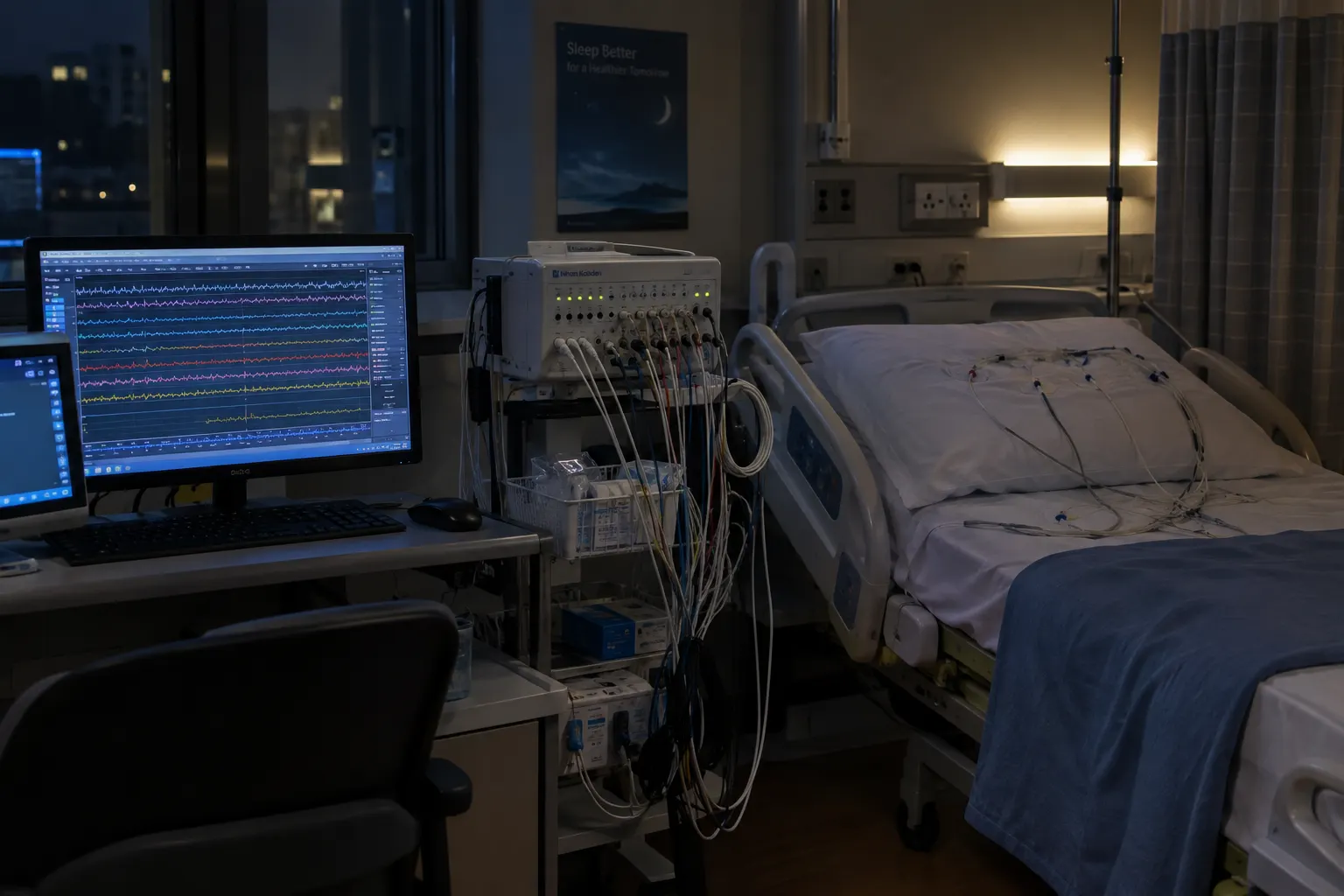
If persistent sleep problems have followed you to Korea, or developed after adjusting to a new time zone, work culture, or living situation, and you're unsure whether to see a general doctor, a specific sleep specialist, or how sleep studies actually work here, Korea has a fairly developed sleep medicine field, but understanding the specific pathway from initial concern to actual treatment helps you navigate it more efficiently than guessing where to start.
Here's how sleep disorder evaluation and treatment actually work in Korea.
Where to Start With a Sleep Concern
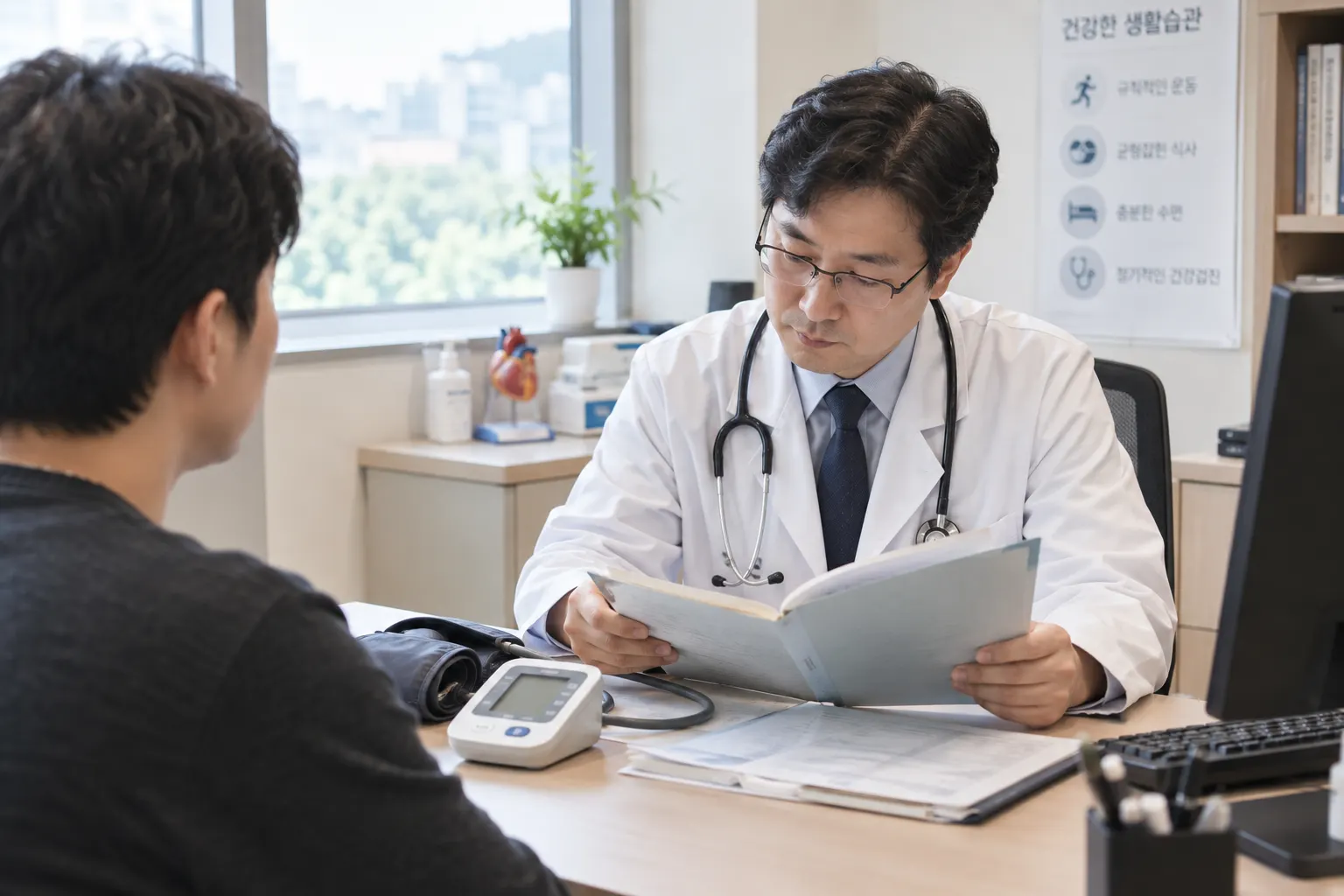
- General internal medicine or family medicine clinics are a reasonable starting point for a general sleep concern, particularly if you're unsure whether your issue is genuinely a specific sleep disorder or a more general lifestyle or stress-related sleep difficulty.
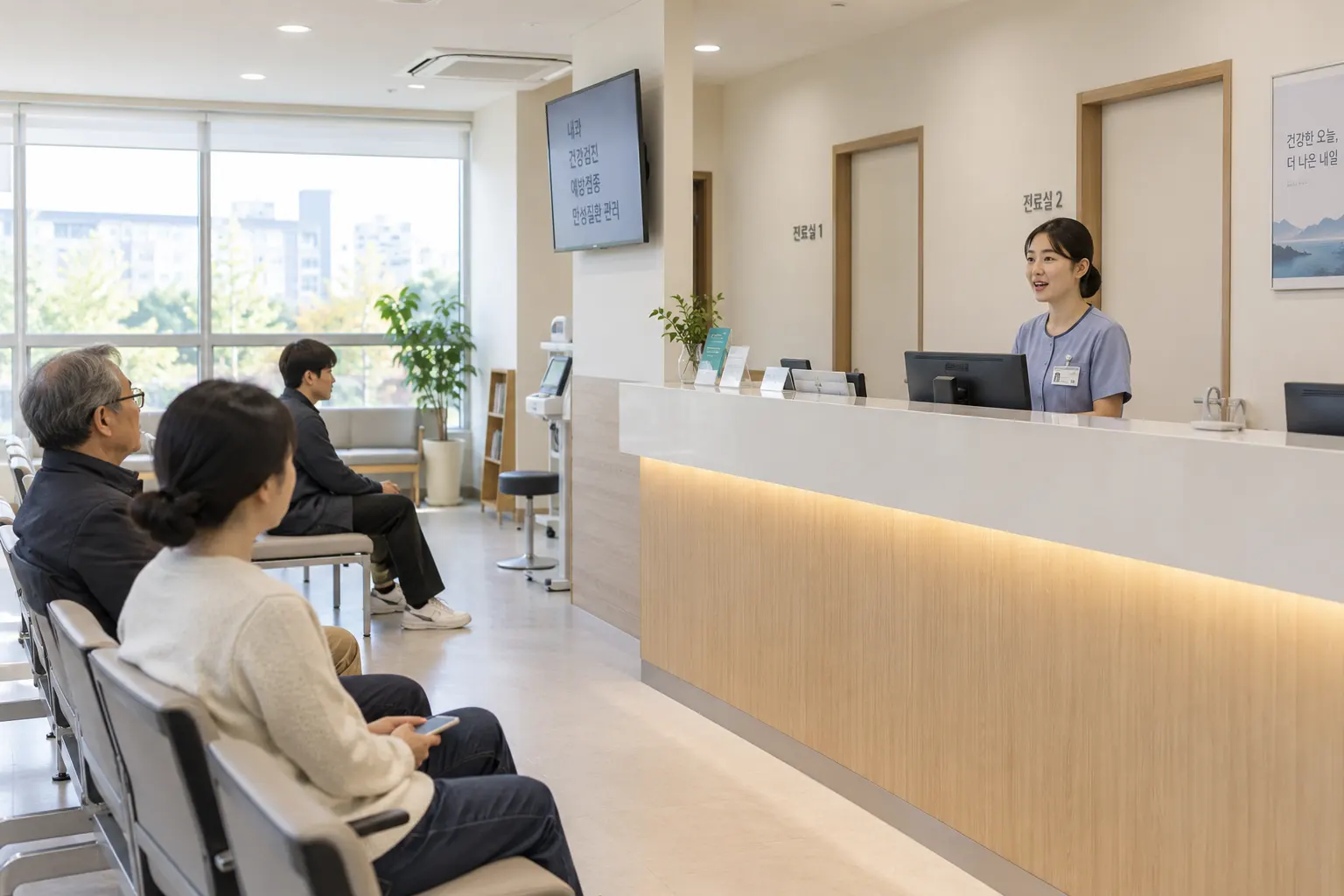
- Dedicated sleep clinics or sleep medicine centers, generally found at larger hospitals or as specialized standalone clinics, particularly in major cities, are appropriate if you have a more specific, persistent concern, suspected sleep apnea, chronic insomnia unresponsive to basic lifestyle adjustment, or other specific sleep disorder symptoms.
- Psychiatric evaluation sometimes becomes relevant if sleep difficulty is closely tied to broader stress, anxiety, or mood-related factors, as covered in how mental health support works for foreigners in Korea, sleep and mental health concerns frequently overlap and may benefit from coordinated evaluation rather than treating sleep in complete isolation.
What a Sleep Study Actually Involves
- Polysomnography (수면다원검사), Korea's standard comprehensive sleep study, generally involves an overnight stay at a sleep clinic or hospital sleep center, monitoring various physiological measures, breathing, brain activity, movement, throughout a full night's sleep to diagnose conditions like sleep apnea or other specific sleep disorders.
- This is generally recommended following an initial consultation that suggests a specific sleep disorder warranting more detailed diagnostic investigation, rather than a first-step test for general sleep difficulty without more specific concerning symptoms.
- National Health Insurance coverage for sleep studies generally applies under standard partial copay structures when medically indicated following an appropriate specialist referral or assessment, though specific coverage details are worth confirming directly given how diagnostic testing coverage can vary based on the specific clinical indication.
Common Sleep Concerns Foreign Residents Report
- Adjustment-related sleep difficulty, particularly during initial settling-in periods, reflecting genuine stress and lifestyle disruption from a major international move, generally improves with time and doesn't necessarily indicate an underlying sleep disorder requiring specialized treatment.
- Work culture-related sleep disruption, long hours, late hoesik events, or workplace stress affecting sleep quality and duration, represents a genuinely common concern among foreign employees adjusting to Korean workplace culture, worth addressing both the sleep symptom and, where relevant, the broader lifestyle factors contributing to it.
- Jet lag and time zone adjustment, relevant particularly for those who travel frequently between Korea and a home country in a significantly different time zone, generally resolves with standard adjustment strategies rather than requiring specialized medical intervention, though persistent difficulty beyond a reasonable adjustment period may warrant a consultation.
Treatment Approaches
- Lifestyle and sleep hygiene guidance, often the first recommended approach for general sleep difficulty, covering sleep schedule consistency, environment factors, and behavioral adjustments before considering more intensive intervention.
- Medication, if warranted following clinical evaluation, prescribed sleep aids follow standard Korean prescription protocols, similar to prescription medication generally, worth discussing specific medication history or preferences from your home country with your Korean provider rather than assuming automatic continuity of a specific medication you may have used previously.
- CPAP or similar treatment for diagnosed sleep apnea, following a positive sleep study diagnosis, generally covered partially under NHI, with equipment and ongoing supply costs worth understanding as part of a longer-term treatment plan if this diagnosis applies to your situation.
- Cognitive behavioral therapy for insomnia (CBT-I), an evidence-based non-medication approach to chronic insomnia specifically, available through some psychiatric or specialized sleep treatment providers, worth asking about specifically if you're interested in a non-medication treatment approach.
Common Mistakes and Misunderstandings
- Assuming all sleep difficulty warrants an immediate sleep study, when many sleep concerns, particularly adjustment or lifestyle-related difficulty, are appropriately addressed first through a general consultation and lifestyle guidance before considering more intensive diagnostic testing.
- Not connecting sleep difficulty to broader mental health or stress factors, when addressing an underlying stress or mood concern alongside the sleep symptom itself often produces better outcomes than treating sleep in isolation.
- Delaying evaluation for persistent, specific symptoms (loud snoring with gasping, excessive daytime sleepiness suggesting possible sleep apnea) assuming it will resolve on its own, when a relatively straightforward evaluation could identify and effectively treat an underlying condition.
- Not bringing prior sleep-related diagnosis or treatment history from before moving to Korea, translated documentation helps a new provider understand your situation more efficiently than starting the evaluation process entirely from scratch.
Quick Summary
- General internal medicine or family medicine clinics are a reasonable starting point for sleep concerns, with dedicated sleep clinics and polysomnography reserved for more specific, persistent symptoms warranting detailed diagnostic evaluation.
- Sleep studies (polysomnography) generally involve an overnight monitored stay and are recommended following an initial assessment suggesting a specific disorder, National Health Insurance generally covers this under standard partial copay when medically indicated.
- Adjustment-related and work culture-related sleep difficulty are common among foreign residents and often improve with time and lifestyle adjustment rather than necessarily requiring specialized intervention.
- Treatment approaches range from lifestyle guidance and CBT-I to medication and CPAP therapy for diagnosed sleep apnea, worth discussing the full range of options with your provider rather than assuming medication is the only path forward.