How National Health Insurance Works for Foreigners in Korea
If you've moved to Korea for work or study, you've probably noticed a deduction on your paycheck or a bill in the mail that you didn't expect: National Health Insurance (NHI). Unlike private insurance in many countries, Korea's system is largely mandatory, and figuring out who pays what, how much, and what it actually covers can be confusing if no one explains it to you upfront.
Here's how the system actually works, what it costs, and where foreign residents most often get tripped up.
Who Has to Join
Korea's National Health Insurance Service (NHIS) covers almost everyone living in the country long-term, foreigners included. In most cases:
- If you're employed by a Korean company on a work visa (E-series), you're automatically enrolled through your employer, and premiums are split roughly 50/50 between you and your employer.
- If you're a student (D-2 visa) or on most other long-stay visas, you're generally required to enroll in the regional NHI program on your own, once you've been registered at your address for a set period.
- If you're self-employed or freelancing (D-10, certain F-series visas), you typically fall under regional enrollment and pay the full premium yourself.
As of 2025, enrollment for foreign residents staying six months or longer became effectively mandatory in almost all visa categories, closing a loophole that previously let some short-term residents opt out. If you're unsure which category applies to you, your immigration status is the deciding factor, not your income or employer.
What It Actually Costs
This is where a lot of people get an unpleasant surprise. Unlike employer-sponsored plans, regional NHI premiums for foreigners are calculated using a formula that factors in your visa type, and in some cases an estimated income level, rather than your actual declared salary. In practice:
- Employer-sponsored premiums usually run somewhere around 3–4% of your monthly salary, split with your employer.
- Regional (self-enrolled) premiums for foreigners often land in the range of 130,000–200,000 KRW per month, though this varies by region and personal circumstances.
- Late enrollment can result in retroactive charges, since NHIS may bill you for the period you were eligible but not enrolled, sometimes going back months.
This retroactive billing is one of the most common complaints in expat communities — someone delays signing up, assumes they can just start "whenever," and then receives a bill covering the gap.
What Coverage Actually Includes
National Health Insurance in Korea covers a meaningful share of most medical costs, but not all of it, and not evenly.
- Outpatient visits and prescriptions are usually covered at a level where your out-of-pocket cost is a small copay, often in the 10,000–30,000 KRW range for a routine clinic visit.
- Hospitalization and major procedures are partially covered, but you'll usually still owe a percentage, which is why many long-term residents also carry supplemental private insurance for serious illness or injury.
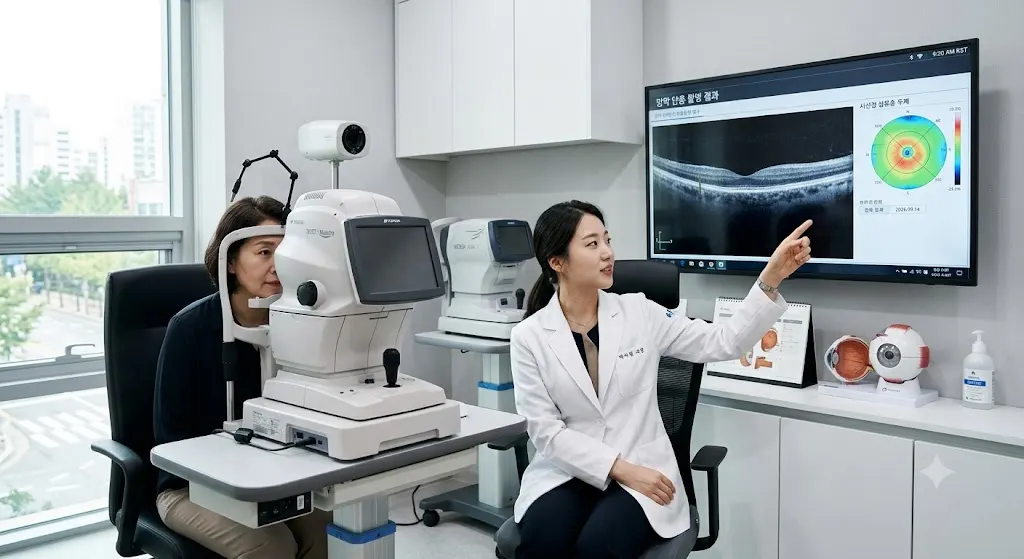
- Dental and vision care are only partially covered, and cosmetic or elective procedures generally aren't covered at all.
- Emergency room visits are covered, but non-emergency use of an ER can come with a higher out-of-pocket portion than a same-day clinic visit would.
A common misunderstanding is assuming NHI works like fully public healthcare in some other countries, where care is free at the point of use. In Korea, it functions more like a cost-sharing system: it substantially lowers what you pay, but it doesn't eliminate the bill.
Common Mistakes Foreign Residents Make
- Assuming enrollment is optional. For most long-stay visa holders, it isn't, and skipping it can create both a legal issue at visa renewal and a retroactive billing issue later.
- Not updating your enrollment when your visa or job changes. Switching from employer-sponsored to regional coverage (or vice versa) isn't automatic — you need to report the change.
- Ignoring the bill because it's in Korean. NHIS bills and notices are typically Korean-only, and unpaid premiums can accumulate and eventually affect visa renewal in some cases.
- Not registering a Korean bank account for auto-debit. Manual payment at a bank or convenience store is possible, but auto-debit avoids missed payments and the added convenience fees some manual payment methods carry.
How to Actually Enroll
If you need to enroll yourself, the general process is:
- Register your address with immigration and receive your Alien Registration Card (ARC).
- Visit or call your local NHIS branch, or check if online enrollment is available for your visa type.
- Provide your ARC, passport, and proof of address.
- Set up payment, ideally via auto-debit from a Korean bank account, to avoid late fees.
If your employer handles enrollment, HR usually takes care of this during onboarding, but it's worth confirming directly rather than assuming it's been done.
Quick Summary
- Most foreign residents staying six months or longer are required to enroll in Korea's National Health Insurance, either through an employer or the regional program.
- Regional (self-enrolled) premiums are often 130,000–200,000 KRW per month and are based on visa type and estimated income, not just actual salary.
- NHI covers a significant portion of routine and emergency care, but hospitalization, dental, and vision often still involve out-of-pocket costs.
- Delayed enrollment can trigger retroactive billing, so signing up as soon as you're eligible avoids an unexpected lump-sum bill later.