How to Find a Primary Care Doctor in Korea as a Foreign Resident
If you've been in Korea long enough to want an ongoing relationship with a regular doctor, rather than visiting whichever clinic happens to be closest each time you're unwell, you may have noticed Korea's healthcare system doesn't have quite the same clearly defined "primary care physician" gatekeeping structure common in some other countries, understanding how to actually establish consistent care here helps particularly if you're managing an ongoing health concern or simply want continuity rather than starting fresh at a new clinic each visit.
Here's how to think about primary care and finding a regular doctor in Korea as a foreign resident.
Why Korea's System Doesn't Work Like a Strict Gatekeeper Model
Unlike some healthcare systems where you're formally assigned or register with a specific primary care physician who coordinates all your care and referrals, Korea's system generally allows more direct access to various specialists without a mandatory referral gatekeeper for most situations.
- You can generally visit a specialist directly for a specific concern, an orthopedic clinic for a joint issue, a dermatologist for a skin concern, without first needing a primary care referral, a genuinely different structure than referral-gated systems in some other countries.
- This flexibility comes with a trade-off, without a formally assigned coordinating physician, the responsibility for maintaining continuity of care and a consolidated health history falls more on you as the patient, choosing to consistently use the same clinics and communicate your history clearly each time.
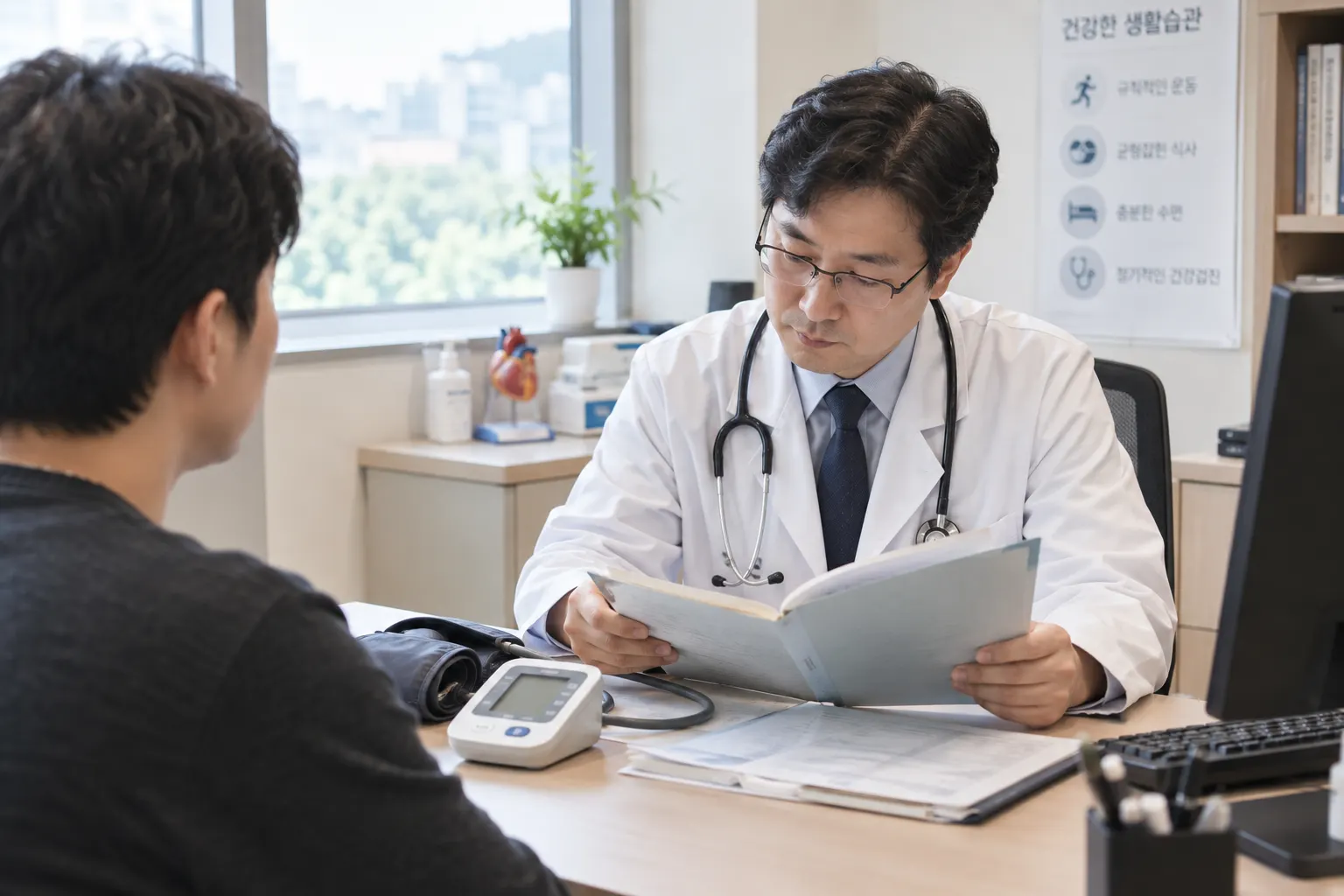
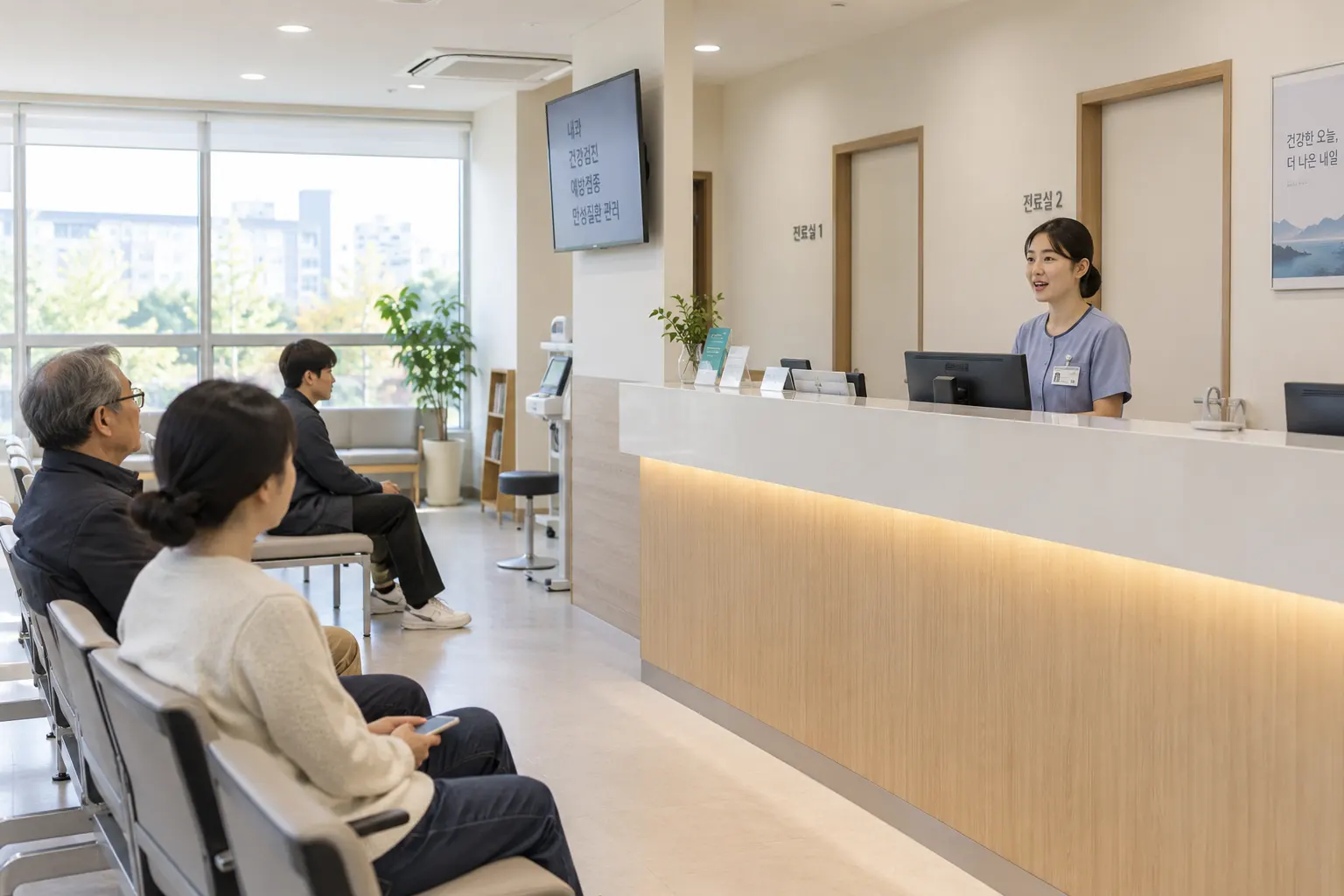
- Internal medicine clinics (내과) function closest to a general practice model for common, non-specialist health concerns, colds, general check-ups, common chronic condition management (blood pressure, diabetes), making them a reasonable default choice if you want a "regular doctor" relationship for general health matters.
How to Actually Establish Ongoing Care
- Choose a specific internal medicine clinic near your home or workplace, ideally one with reasonable English support if needed, and consistently return there for general health concerns rather than visiting different clinics each time, building familiarity with a specific doctor over repeated visits.
- Bring and maintain your own health records, since there's no automatic centralized system consolidating your visit history across different clinics the way an assigned primary care physician's records might in a more gatekeeper-structured system, keeping your own summary of diagnoses, medications, and treatment history helps any doctor you see, familiar or new, understand your situation efficiently.
- Communicate your full relevant history at each visit, rather than assuming a new or even familiar doctor has automatic access to your complete health background, particularly relevant if you've seen multiple different specialists for different concerns over time.
When to See a Specialist Directly vs. Starting With Internal Medicine
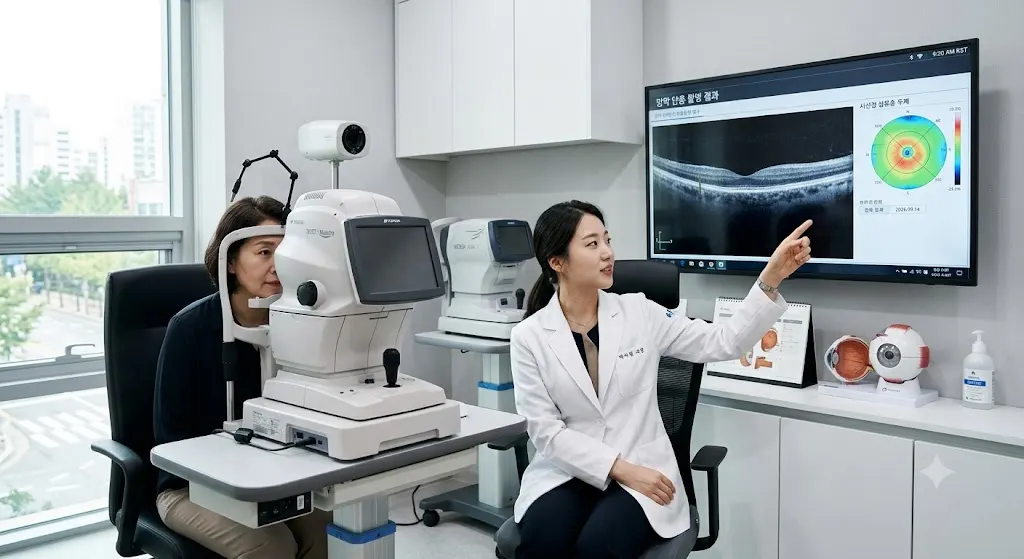
- Clear, specific concerns (a suspected skin condition, a joint injury, an eye issue) generally warrant going directly to the relevant specialist, dermatology, orthopedics, ophthalmology, rather than routing through an internal medicine doctor first.
- Unclear or general symptoms, fatigue, general unwellness, or symptoms that don't clearly point to one specific body system, are often more efficiently addressed starting with an internal medicine doctor who can assess broadly and refer you to a specialist if warranted.
- Chronic condition management (diabetes, hypertension, thyroid conditions) generally benefits from establishing a consistent relationship with either an internal medicine doctor or a relevant specialist, depending on the specific condition's complexity, rather than managing it through sporadic visits to different providers.
Finding a Doctor With Good English Support
- International clinics at major hospitals remain the most reliable option for English-language general medical care, though this comes with the trade-off of typically longer wait times and higher costs compared to a smaller neighborhood clinic.
- Smaller clinics in foreign-resident-dense neighborhoods sometimes have reasonable English capacity without the full international clinic premium, worth asking in local expat community groups for specific recommendations rather than guessing based on neighborhood alone.
- Building a relationship with a specific doctor over time, even with some language limitation, often improves communication efficiency simply through familiarity, a doctor who's seen you multiple times understands your baseline health and communication style better than a new provider each visit, partially compensating for language barrier challenges.
Common Mistakes Foreign Residents Make
- Treating every health concern as requiring an entirely new clinic search, rather than establishing consistency with a specific internal medicine doctor or clinic for general health matters, missing the continuity-of-care benefits that come from a doctor who's familiar with your history.
- Not maintaining personal health records, assuming Korean clinics automatically share information the way a coordinated primary care system might, when in practice consolidating your own health history is largely your own responsibility here.
- Defaulting to specialist visits for genuinely general or unclear symptoms, when starting with an internal medicine assessment might provide more efficient initial direction before self-diagnosing which specific specialist to see.
- Underestimating the value of returning to the same clinic, even with imperfect English support, familiarity and continuity often outweigh the marginal communication improvement of starting fresh at a different clinic each time.
Quick Summary
- Korea's healthcare system generally allows direct specialist access without a mandatory primary care gatekeeper, offering flexibility but placing more responsibility on you to maintain continuity of care.
- Internal medicine clinics function closest to a general practice model, a reasonable default for establishing an ongoing "regular doctor" relationship for general health concerns.
- Maintaining your own health records and consistently communicating your history at each visit helps compensate for the lack of an automatically centralized medical record system.
- Building familiarity with a specific clinic or doctor over time, even with some language limitation, generally improves care continuity and communication more than starting fresh at a new clinic for each concern.