Health
How Korean Fitness Trainers and Personal Training Certification Work
By New In Korea TeamPublished
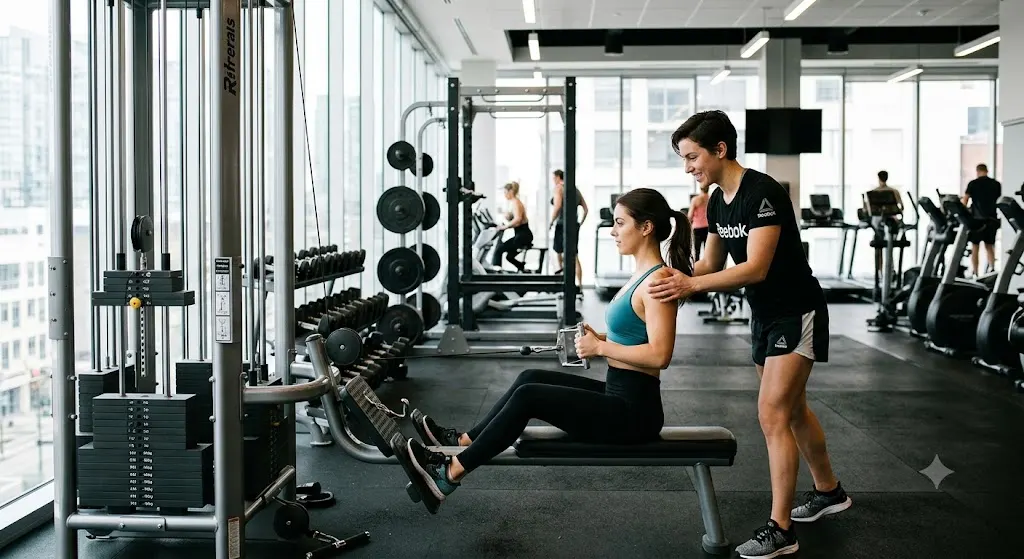
If you're considering hiring a personal trainer at a Korean gym and wondered how to actually evaluate a trainer's qualifications, what certification standards exist, or how pricing and package structures typically work, understanding Korea's personal training industry norms helps you choose a trainer thoughtfully rather than simply picking whoever approaches you first at the gym front desk.
Here's how Korean personal training and fitness certification actually work.
Certification Standards in Korea
- Korea doesn't have a single unified, legally mandated personal trainer certification the way some regulated professions require, meaning trainer qualifications can vary considerably, some hold recognized international certifications, others complete Korea-specific training programs, and some have more limited or informal training background, understanding this variation matters for evaluating a specific trainer rather than assuming uniform baseline qualification.
- Common recognized certifications include both Korea-specific fitness certification programs and internationally recognized certifications that some Korean trainers also pursue, particularly at larger, more established gym chains, checking a specific trainer's actual certification background, rather than assuming credentialing based solely on their employment at a given gym, gives a more accurate picture.
- Specialized training areas, rehabilitation-focused training, specific sport performance training, or prenatal/postnatal fitness specialization, represent additional certification categories some trainers pursue beyond general certification, worth asking specifically if you have particular needs beyond general fitness training.
How Personal Training Packages Typically Work
- Personal training is generally sold in session packages, similar to the pattern covered in how Korean gym culture and fitness options work, rather than an ongoing subscription model, packages of 10, 20, or 30 sessions are common, with per-session cost generally decreasing somewhat for larger package purchases.
- Pricing varies considerably based on the trainer's experience, specific certification, and the gym's location and prestige level, comparing a few different trainers' rates and, more importantly, actually meeting for an initial consultation before committing to a larger package matters more than choosing based on price alone.
- Session length and structure generally follow a fairly standard format, though confirming the specific session length, generally around an hour, and what's actually included, program design, nutrition guidance if applicable, versus purely the in-session training time, matters for understanding what you're actually paying for.
Evaluating a Trainer Before Committing to a Package
- Ask directly about specific certification and training background, a reputable trainer should be comfortable discussing their qualifications and specific areas of expertise, rather than deflecting this kind of direct question.
- Request an initial trial session or consultation before committing to a larger, more expensive package, most gyms and trainers accommodate this reasonable request, allowing you to assess communication style and training approach fit before a significant financial commitment.
- Communicate any specific health considerations or limitations clearly upfront, particularly relevant if you have a prior injury or specific physical limitation, a qualified trainer should ask about this proactively and adjust programming accordingly, rather than applying a generic program regardless of your specific situation.
Language Considerations for Foreign Clients
- English language capability among Korean personal trainers varies considerably, similar to other service industries, trainers at larger international chain gyms or in areas with significant foreign resident populations more commonly have reasonable English communication ability, though this isn't universal.
- Physical demonstration and hands-on coaching naturally transcends some language barrier in a way that purely verbal instruction wouldn't, many foreign clients successfully train with a trainer despite limited shared language fluency, given how much of the actual coaching happens through physical demonstration and correction.
- Bringing a translation app or having key fitness vocabulary prepared helps with more nuanced communication, particularly around specific pain points, form corrections, or programming preferences that benefit from clearer verbal exchange beyond what physical demonstration alone can convey.
Common Mistakes Foreign Clients Make
- Committing to a large package without an initial trial session, missing the opportunity to assess actual compatibility and communication fit before a significant financial commitment.
- Not asking about specific certification and background, assuming any trainer employed at a reputable-seeming gym automatically has equivalent qualification, when the actual training background can vary considerably between individual trainers.
- Not communicating specific health considerations or physical limitations clearly, particularly risky if language barriers mean this important information doesn't fully come across, worth taking extra care to ensure this specific communication happens clearly regardless of general language barrier.
- Assuming package refund policies are flexible, similar to how gym membership contracts covered elsewhere often have specific cancellation terms, personal training packages sometimes have limited or no refund policy for unused sessions, worth confirming this specifically before committing to a larger package.
Quick Summary
- Korea doesn't have a single unified mandatory personal trainer certification, qualification backgrounds vary considerably between individual trainers, worth asking directly about a specific trainer's certification and specialization.
- Personal training is generally sold in session packages rather than an ongoing subscription, with per-session cost often decreasing for larger package purchases, comparing trainers and requesting a trial session matters more than choosing based on price alone.
- Language capability varies among Korean trainers, though physical demonstration-based coaching naturally reduces some communication barrier, clear communication of specific health considerations or limitations matters regardless of general language fluency.
- Requesting an initial trial session before committing to a larger package, and confirming the specific package's refund or cancellation policy, helps you make a more informed decision before a significant financial commitment.