Lifestyle
How to Properly Dispose of Bulky Waste When Moving in Korea
By New In Korea TeamPublished Updated
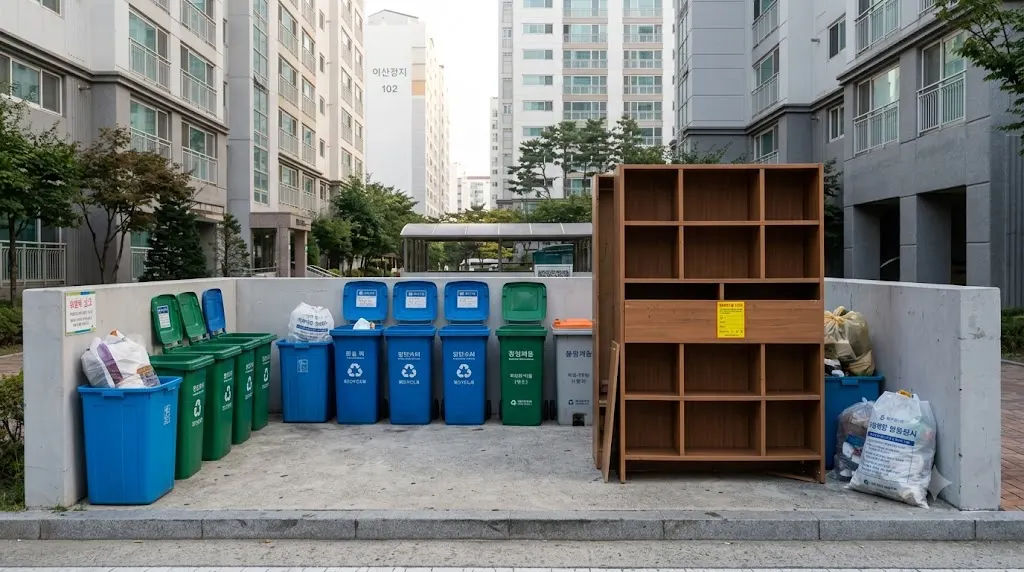
If you're moving apartments in Korea and have furniture, appliances, or other large items to get rid of, and discovered you can't simply leave them by the curb like you might elsewhere, Korea's bulky waste disposal system requires a specific paid registration process before you can legally dispose of larger items, and understanding this process in advance saves you from a last-minute scramble during an already stressful move.
Here's how bulky waste disposal actually works in Korea, and how to handle it properly when moving.
Why You Can't Just Leave Large Items Out
- Korea's waste system, as covered in how apartment complex trash and recycling systems work, specifically requires large or bulky items (대형폐기물) to be registered and pay a disposal fee before they can be legally set out for collection, unlike regular designated-bag trash, simply leaving furniture or appliances on the curb without this registration can result in the items being left uncollected, or in some cases a fine.
- This system applies to furniture, mattresses, large appliances, and similar bulky items, generally anything too large to fit in a standard designated trash bag, the specific size and category thresholds are defined by your local district office.
- Fees vary by item type and size, generally a modest set fee per item category rather than a weight or value-based calculation, checking your specific district's current fee schedule before planning your disposal budget for a move avoids underestimating this cost.
How to Actually Register Bulky Waste for Disposal
- Identify your specific district's disposal registration method, most districts now offer online registration through the district office website or a dedicated app, some also maintain phone registration or in-person registration at convenience stores or the district office itself.
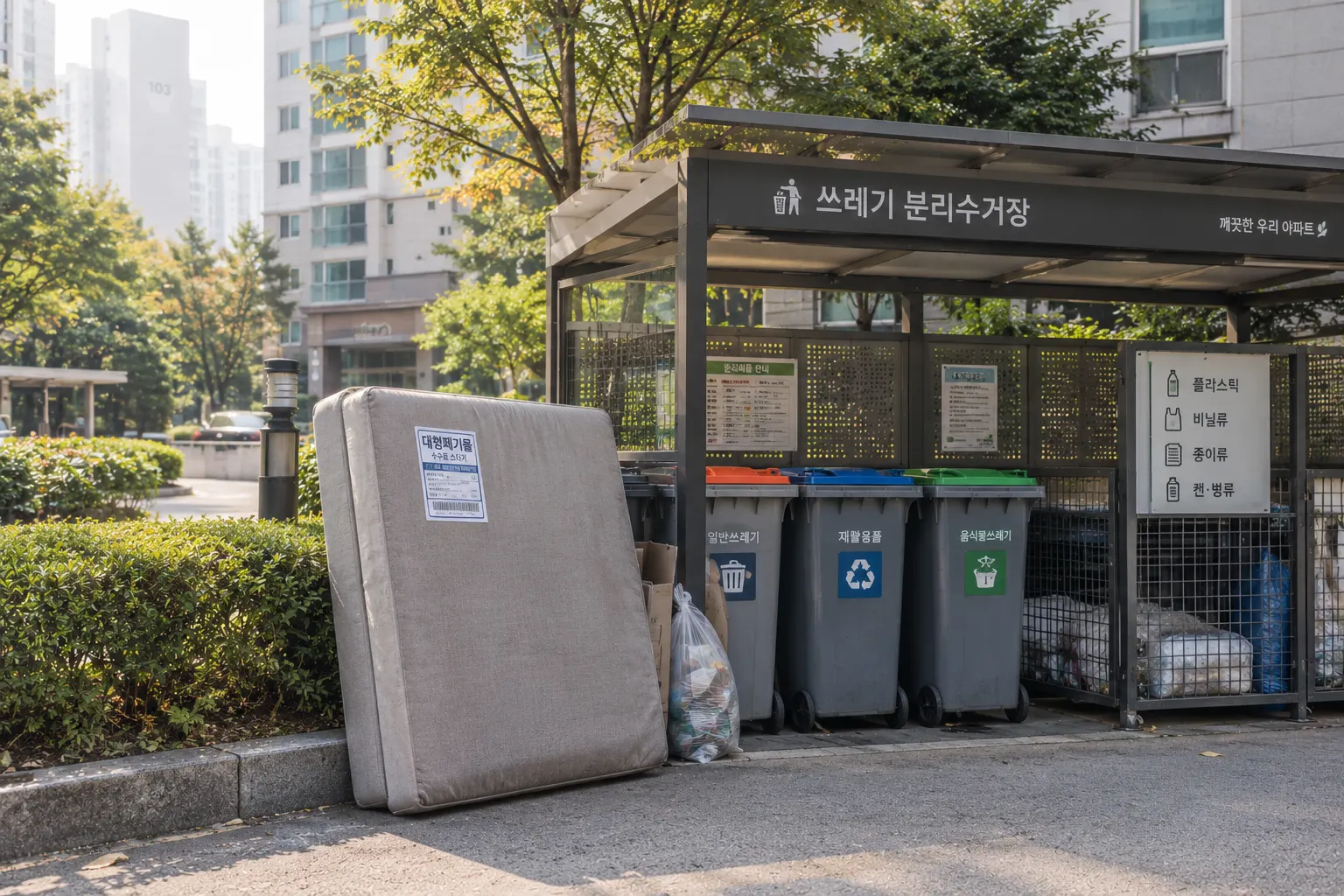
- Specify each item and pay the corresponding fee, generally itemized by category, a sofa, a refrigerator, a mattress, each carrying its own specific fee based on size and type, you'll generally receive a printed or digital sticker or receipt confirming payment.
- Attach the confirmation sticker to the item and place it out for collection on the specific designated day, generally corresponding to your area's regular collection schedule, checking the specific collection day for bulky items, which may differ from regular trash collection days, matters for correct timing.
Planning This Around Your Move Timeline
- Registering and paying for bulky waste disposal generally needs to happen in advance of your actual move-out date, rather than something you can arrange the same day, understanding your specific district's registration-to-collection timeline, sometimes a few days to a week, matters for planning around your actual moving schedule.
- Coordinating with your moving company, if using professional movers, some moving services offer to handle bulky waste disposal as part of their service, worth asking directly whether this is included or available as an add-on, potentially saving you the hassle of handling registration separately.
- Items you're donating or selling instead of disposing, as covered in how secondhand marketplace apps work in Korea, represents a genuine alternative to formal disposal for items still in usable condition, worth considering this route for furniture or appliances someone else might want, both avoiding the disposal fee and reducing waste.
Common Categories and What to Expect
- Furniture (sofas, bed frames, desks, wardrobes) represents one of the most common bulky waste categories during a move, generally requiring individual item registration and fee payment for each piece.
- Large appliances (refrigerators, washing machines, air conditioners) sometimes have specific additional disposal considerations given environmental regulations around certain appliance components, some districts have specific collection arrangements or partner recycling programs for these categories worth checking specifically.
- Smaller electronics and miscellaneous items not falling clearly into either standard trash bag disposal or the bulky waste category sometimes have their own specific disposal guidance, checking your specific district's waste sorting guide for anything unclear rather than guessing avoids incorrect disposal.
Common Mistakes Foreign Residents Make
- Assuming large items can simply be left out like standard trash, discovering only when items remain uncollected that formal registration and fee payment were required first.
- Not planning for the registration-to-collection timeline, attempting to arrange disposal too close to an actual move-out date, without sufficient time for the registration and collection process to complete.
- Underestimating disposal fees for multiple large items, particularly relevant for a full apartment move-out involving several furniture pieces and appliances, budgeting for this cost category specifically rather than treating it as a negligible afterthought.
- Not considering donation or resale alternatives for still-usable items, defaulting to formal paid disposal when a secondhand marketplace listing might have both saved the disposal fee and found the item a genuinely useful new home.
Quick Summary
- Korea requires formal registration and fee payment for bulky waste items (대형폐기물) before disposal, unlike regular designated-bag trash, simply leaving large items out without this process can result in uncollected items or a fine.
- Registration generally happens through your district office's online system, app, or phone registration, with fees varying by item category and size, checking your specific district's current process and fee schedule matters for accurate planning.
- Planning bulky waste disposal in advance of your actual move-out date, given the registration-to-collection timeline, avoids a last-minute scramble during an already busy moving process.
- Considering donation or secondhand marketplace resale for still-usable furniture and appliances offers a genuine alternative to formal paid disposal, both saving money and reducing waste.