How Car Insurance Works in Korea for Foreign Drivers
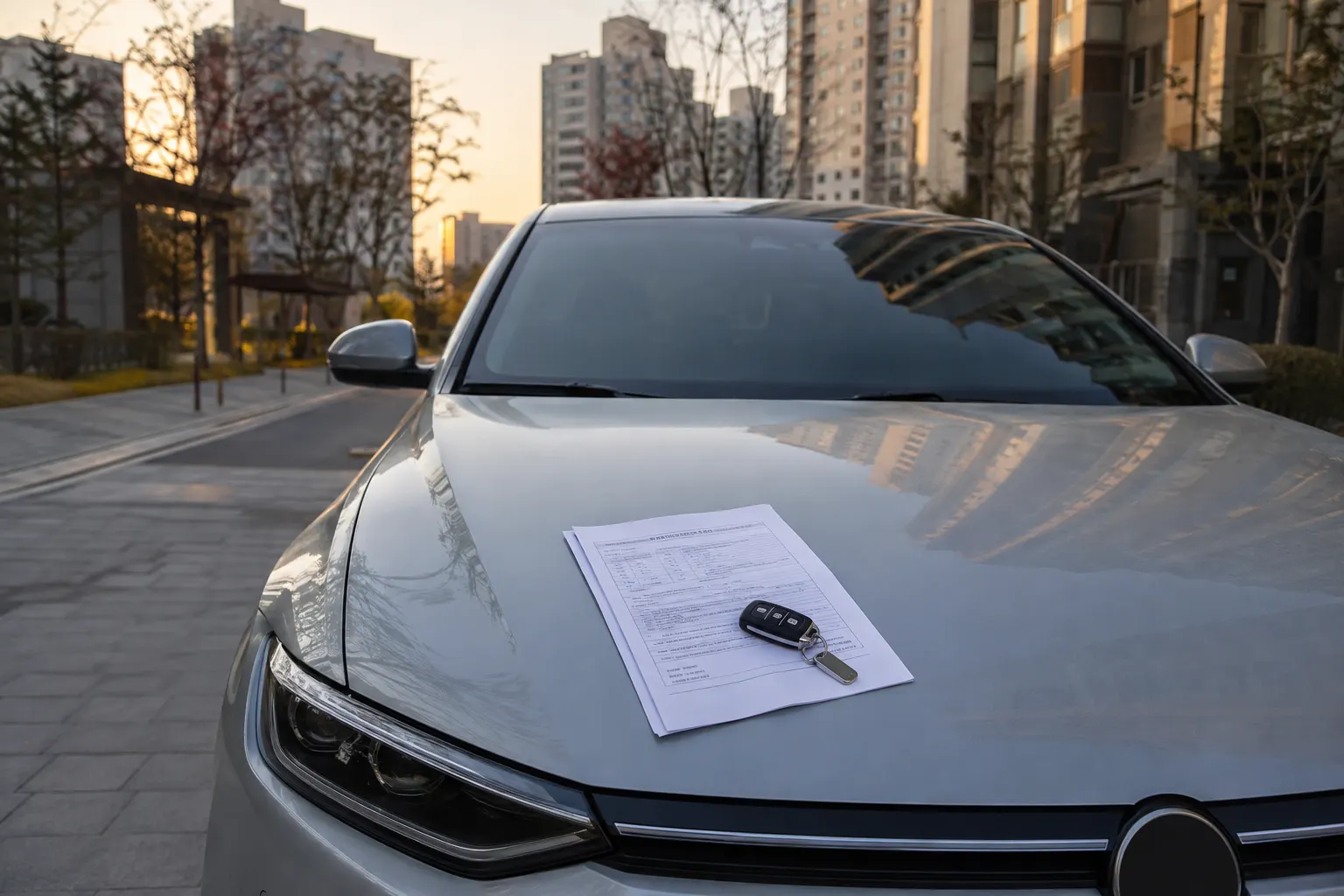
If you've bought or leased a car in Korea and started shopping for insurance, you may have found that pricing varies wildly between companies for reasons that aren't obvious at first, and that some insurers seem reluctant to quote foreign drivers at all. Korea's car insurance system is mandatory and fairly comprehensive once you're in it, but the pricing logic and paperwork requirements differ enough from many other countries that foreign drivers often overpay simply from not understanding how the rating system works.
Here's how Korean car insurance actually works, what's required by law, and where foreign drivers commonly lose money.
What's Legally Required
Korea requires all registered vehicle owners to carry a minimum level of liability insurance, similar to compulsory third-party coverage in many countries.
- Mandatory liability insurance (책임보험) covers bodily injury and property damage to others in an accident you're responsible for, up to legally defined minimum limits, driving without it is illegal and can result in significant penalties.
- Comprehensive coverage (종합보험), while not legally mandatory in the same way, is what most drivers actually carry, since mandatory liability alone leaves you exposed for damage to your own vehicle and offers limited protection beyond the legal minimum for injury claims.
- Most dealerships and leasing companies effectively require comprehensive coverage as a condition of financing or leasing, even though it isn't a government mandate on its own.
Why Pricing Varies So Much for Foreign Drivers
Korean car insurance pricing is heavily influenced by a no-claims discount and driving history system, and this is where foreign drivers most often run into friction.
- Korean insurers generally don't automatically recognize foreign driving history or no-claims records from your home country, meaning a driver with fifteen years of clean driving history abroad often starts at a similar baseline rate to a first-time Korean driver, since there's no shared data system between Korean insurers and foreign ones.
- Some insurers do accept documented proof of overseas driving history and no-claims records as supporting evidence for a rate adjustment, but this isn't automatic or universal, it typically requires you to proactively provide certified documentation and specifically request consideration, rather than assuming it factors in by default.
- Your Korean driver's license conversion date, rather than how long you've actually been driving, sometimes becomes the reference point insurers use for calculating your effective "experience" in Korea's system, which can understate your actual driving history if you converted your license relatively recently after years of driving abroad.
Getting a Quote as a Foreign Driver
- Have your ARC, Korean driver's license (converted or newly obtained), and vehicle registration ready, these are baseline requirements for any quote request.
- Bring documentation of your overseas driving history if you have it, an official driving record or no-claims letter from your home country's insurer or licensing authority, translated if possible, to support a potential rate discount request.
- Compare multiple insurers directly, rather than accepting the first quote, since foreign driver risk assessment isn't standardized across companies, and some insurers are simply more foreigner-friendly and competitively priced than others in practice.
- Ask specifically about online-direct insurers, some of Korea's direct-to-consumer insurance companies, which skip traditional agent networks, offer meaningfully lower premiums than agent-based insurers, though the sign-up process may require more Korean-language navigation without agent assistance.
What Affects Your Premium Beyond Driver History
- Vehicle type, age, and value, similar to most countries, more expensive or higher-performance vehicles generally cost more to insure.
- Coverage limits and deductible choices, higher liability limits and lower deductibles increase premiums, balancing this against realistic risk tolerance is worth doing deliberately rather than defaulting to whatever a dealership initially recommends.
- Named driver restrictions, some policies price differently depending on whether coverage is restricted to a specific named driver or open to any licensed driver, restricting to yourself specifically is generally cheaper if you're the only regular driver.
Common Mistakes Foreign Drivers Make
- Not requesting consideration for overseas driving history, assuming there's no way to get credit for years of clean driving abroad, when some insurers do accept it if you ask and provide documentation.
- Accepting the first quote from a dealership-affiliated insurer without comparing independently. Dealership-recommended insurance isn't always the most competitively priced option available.
- Underinsuring to save on premiums. Given Korea's traffic density and accident-related liability exposure, carrying only the legal minimum liability coverage without comprehensive protection can leave you significantly exposed financially in a serious accident.
- Not understanding the no-claims discount system going forward. Once you're insured in Korea, maintaining a claims-free record meaningfully lowers your renewal premiums over time, similar to how the system rewards long-term Korean drivers.
Quick Summary
- Korea requires mandatory liability insurance for all vehicles, though most drivers also carry comprehensive coverage, often effectively required by dealerships or leasing companies.
- Korean insurers generally don't automatically recognize foreign driving history, but some accept documented proof of overseas no-claims records to adjust your rate if you provide it proactively.
- Comparing multiple insurers, including online-direct companies, rather than accepting a dealership's recommended insurer, can meaningfully affect your premium.
- Once insured in Korea, a claims-free driving record builds toward lower renewal premiums over time, similar to no-claims discount systems in many other countries.