How Cash and Card Payment Norms Work in Korea
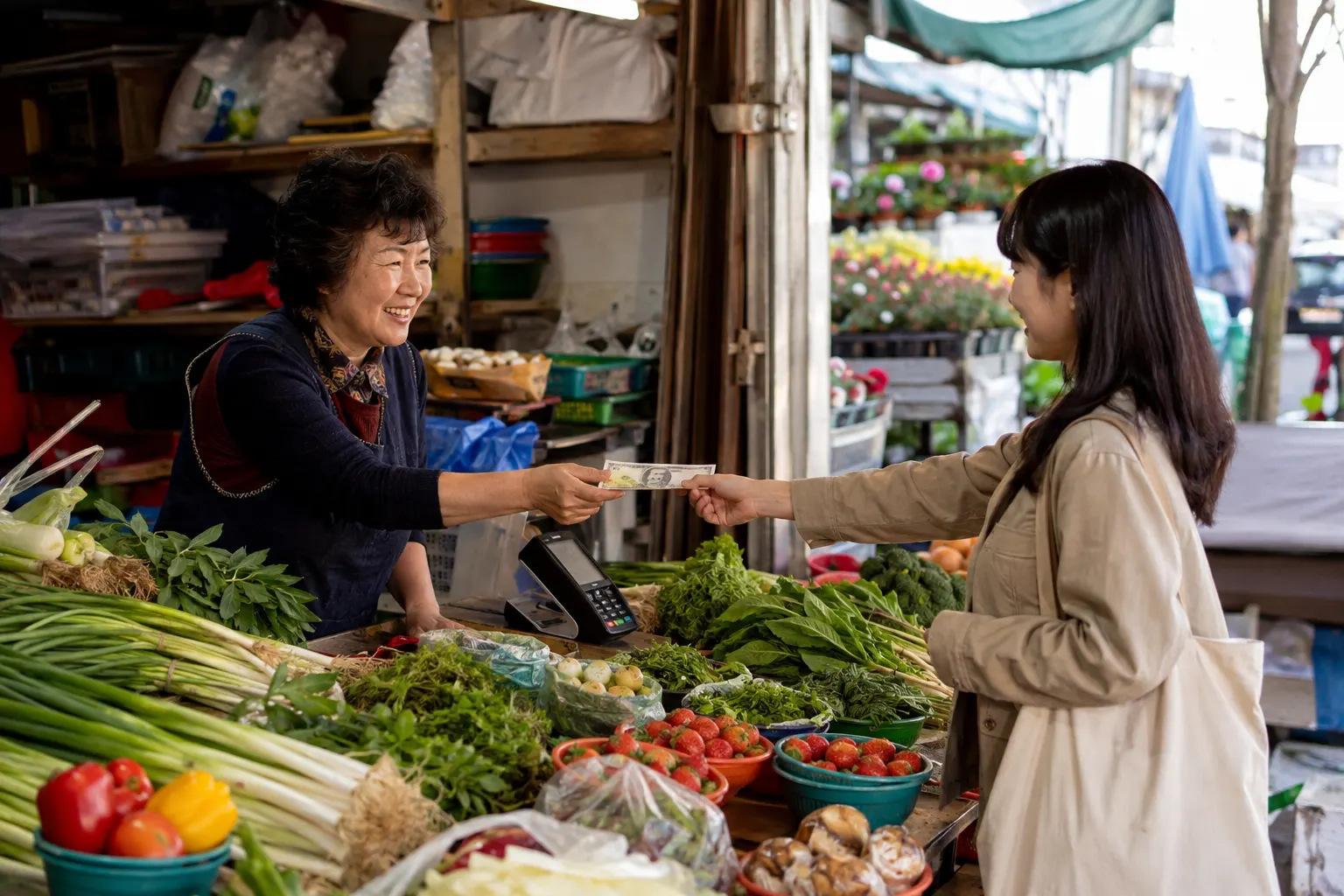
If you've tried to pay with cash in Korea and gotten a slightly confused reaction, or had a card declined at a small shop that turned out to be cash-only, you've noticed that Korea's payment landscape doesn't map cleanly onto "cash society" or "cashless society" the way some countries do. It's a genuinely mixed system, and knowing which situations call for which payment method saves you from an awkward moment at checkout.
Here's how payment norms actually work across different everyday situations in Korea.
Card Payment Is the Default in Most Places
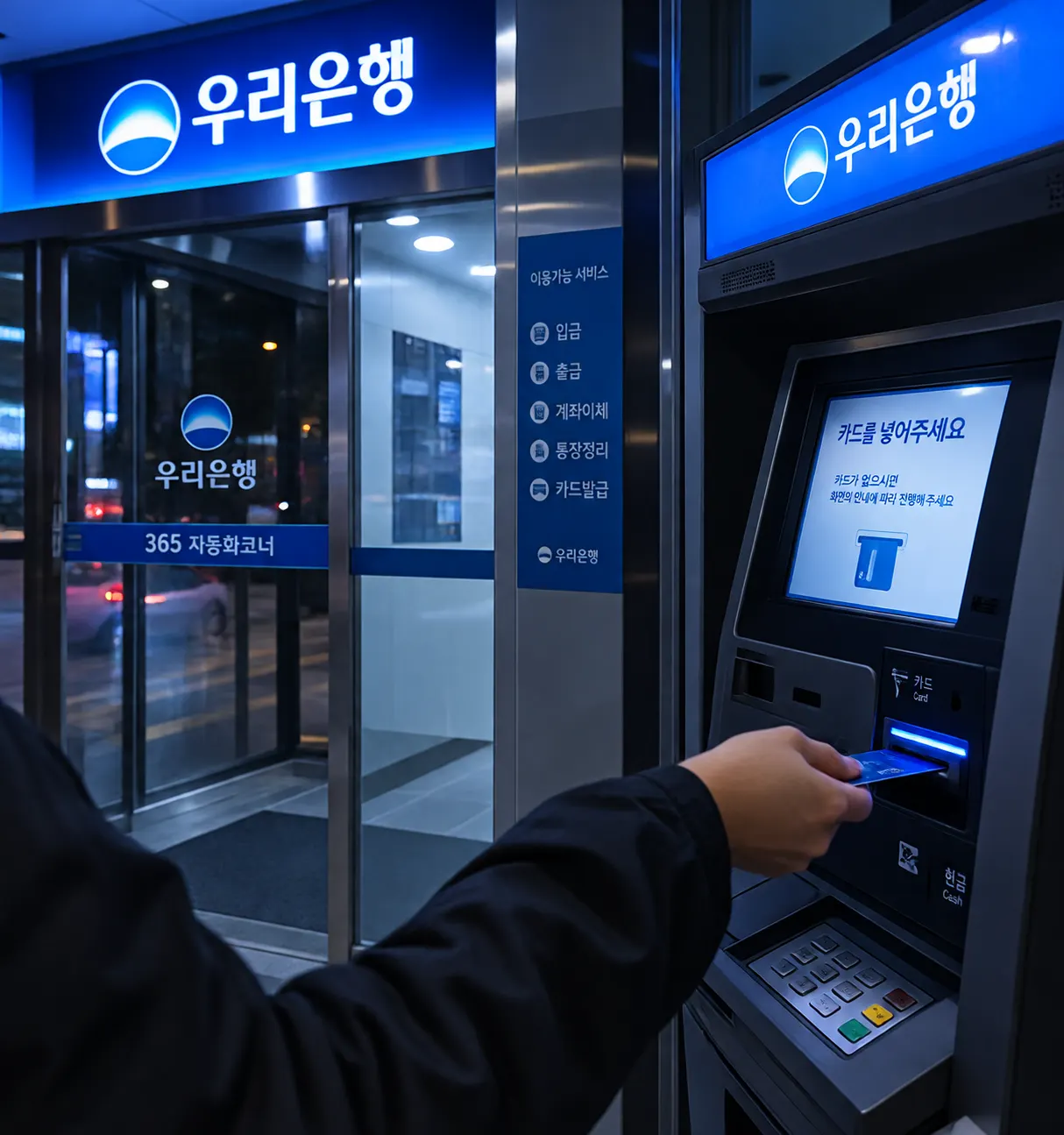
Korea has one of the highest card payment adoption rates globally, and most businesses, from large retailers to small independent cafes, accept card payment as the standard, expected method.
- Minimum purchase requirements for card payment, once common in some countries, are essentially nonexistent in Korea, businesses are generally required to accept card payment regardless of purchase amount, even a single low-priced item.
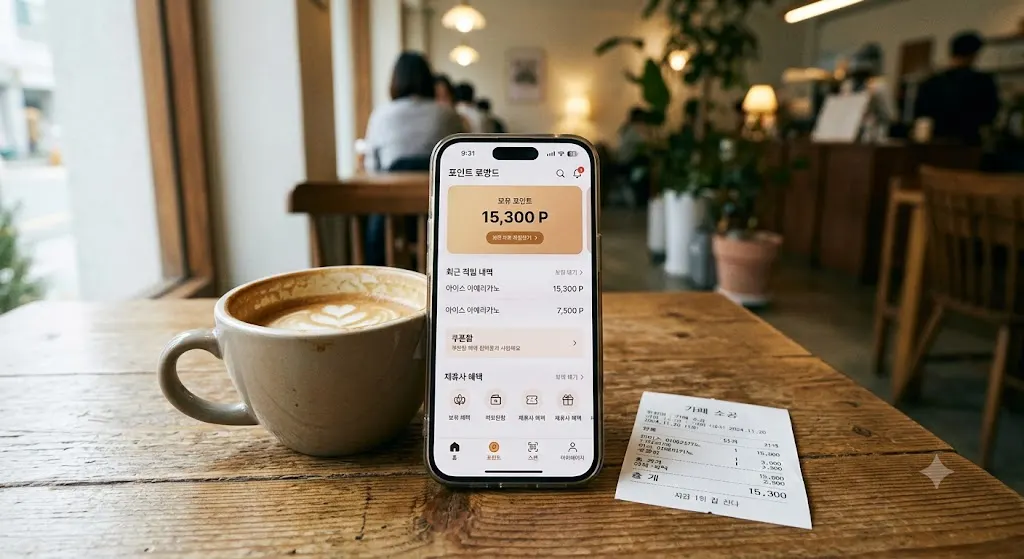
- Contactless and mobile payment (Samsung Pay, and increasingly other mobile wallet options) have become widely accepted, particularly in urban areas, though acceptance can be less universal than standard chip-and-PIN or swipe card payment at smaller or older establishments.
- Foreign-issued cards generally work at larger retailers and chains, but compatibility becomes less consistent at smaller, independent businesses, particularly those using older payment terminals not configured for international card networks.
Where Cash Still Matters
Despite high card adoption, a few specific situations still commonly call for cash, and being caught without any can create real friction.
- Traditional markets (재래시장), common in most Korean cities, often skew more cash-preferred, particularly at smaller individual stalls, though this has been shifting gradually as more vendors adopt mobile payment or card readers.
- Some very small, older, or family-run establishments, particularly outside major cities, may not have card payment infrastructure at all, carrying at least modest cash as a backup, particularly when traveling outside Seoul or other major urban centers, remains a reasonable precaution.
- Certain services and fees, some administrative payments, specific small transactions, or informal exchanges (like a small tip-adjacent gesture, though tipping isn't a standard Korean custom) sometimes still default to cash by convention.
T-money and Transit-Specific Payment
Public transit payment operates somewhat separately from general retail payment norms, relying primarily on the T-money system rather than direct card tap payment at turnstiles in most cases.
- T-money cards, loaded with cash or linked to certain payment methods, remain the primary transit payment method, though some newer systems have begun accepting direct contactless card payment on certain transit lines.
- Relying solely on a foreign contactless card for transit isn't universally reliable across Korea's transit network, a loaded T-money card remains the more dependable choice for consistent transit access citywide.
Mobile and QR-Based Payment Systems
Korea has also developed various mobile and QR-code-based payment systems, particularly integrated within apps like Kakao Pay and Naver Pay, which function as a hybrid between a digital wallet and a direct bank-linked payment method.
- These systems are deeply integrated into everyday Korean digital life, used for everything from splitting a restaurant bill among friends to paying at small businesses with a QR code display.
- Setting these up generally requires the same underlying verification chain as other Korean digital services, a Korean phone number, bank account, and identity verification, meaning full access isn't immediate for very new arrivals without these pieces in place yet.
- Foreign residents who've completed the standard administrative sequence (ARC, phone plan, bank account) generally find these apps genuinely useful once accessible, worth setting up once your foundational Korean accounts are established, rather than assuming they're inaccessible to foreigners entirely.
Common Misunderstandings
A frequent assumption is that Korea is either fully cashless or still cash-dependent, based on whichever experience a visitor happens to have first. In practice, it's genuinely mixed, card and mobile payment dominate in most everyday urban contexts, while cash retains real relevance in specific situations, traditional markets, smaller rural businesses, and certain informal transactions. Carrying a reasonable amount of cash as backup, while relying primarily on card or mobile payment for daily spending, tends to be the most practical approach rather than committing entirely to one method.
Quick Summary
- Korea has very high card payment adoption with no minimum purchase requirements, card is the reliable default for most everyday spending in urban areas.
- Cash still matters at traditional markets, some smaller or rural businesses, and certain informal transactions, worth carrying some as backup particularly outside major cities.
- T-money remains the primary and most reliable transit payment method, rather than depending solely on a foreign contactless card working universally across the network.
- Mobile payment apps like Kakao Pay and Naver Pay are deeply integrated into daily life but require the standard Korean verification chain (phone, bank account, ID verification) to fully access.