How Foreign Exchange and Money Transfers Work in Korea
If you've tried to send money home from Korea, or bring savings into a Korean account, you've probably discovered it's not as simple as a bank-to-bank transfer might be elsewhere. Korea has specific rules around foreign currency exchange and international transfers that catch a lot of newcomers off guard, especially around reporting thresholds and which documents you need for larger amounts.
Here's how the system actually works and where people commonly run into friction.
Exchanging Currency in Korea
- Banks offer currency exchange, but rates and fees vary meaningfully between them, and airport branches typically offer the worst rates due to convenience pricing.
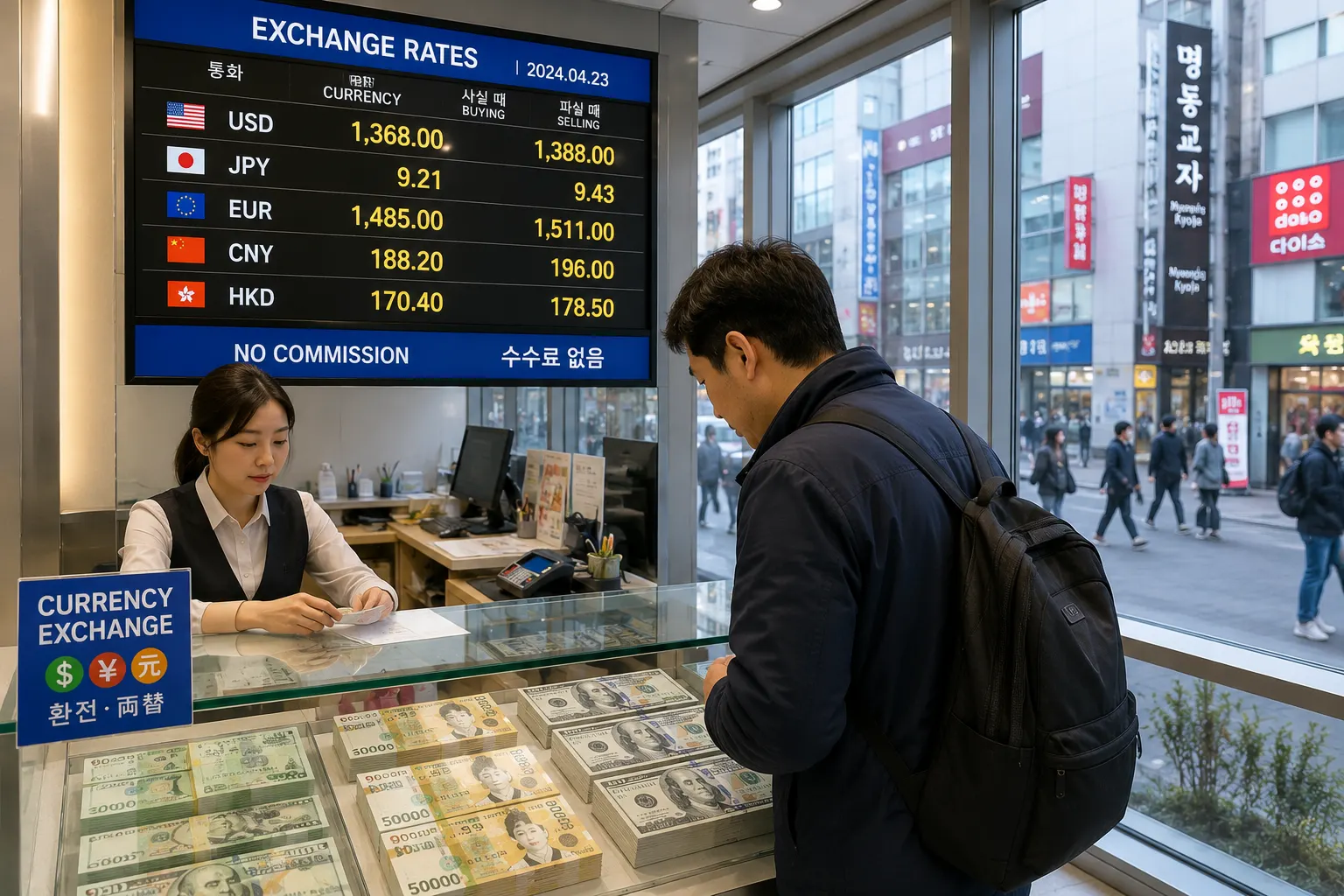
- Money changers (환전소), common in areas like Myeongdong, often offer better rates than banks for common currencies like USD, but selection narrows for less common currencies.
- ATM withdrawals with a foreign card are convenient but usually carry both a foreign transaction fee from your home bank and a Korean ATM fee, which can add up for frequent small withdrawals.
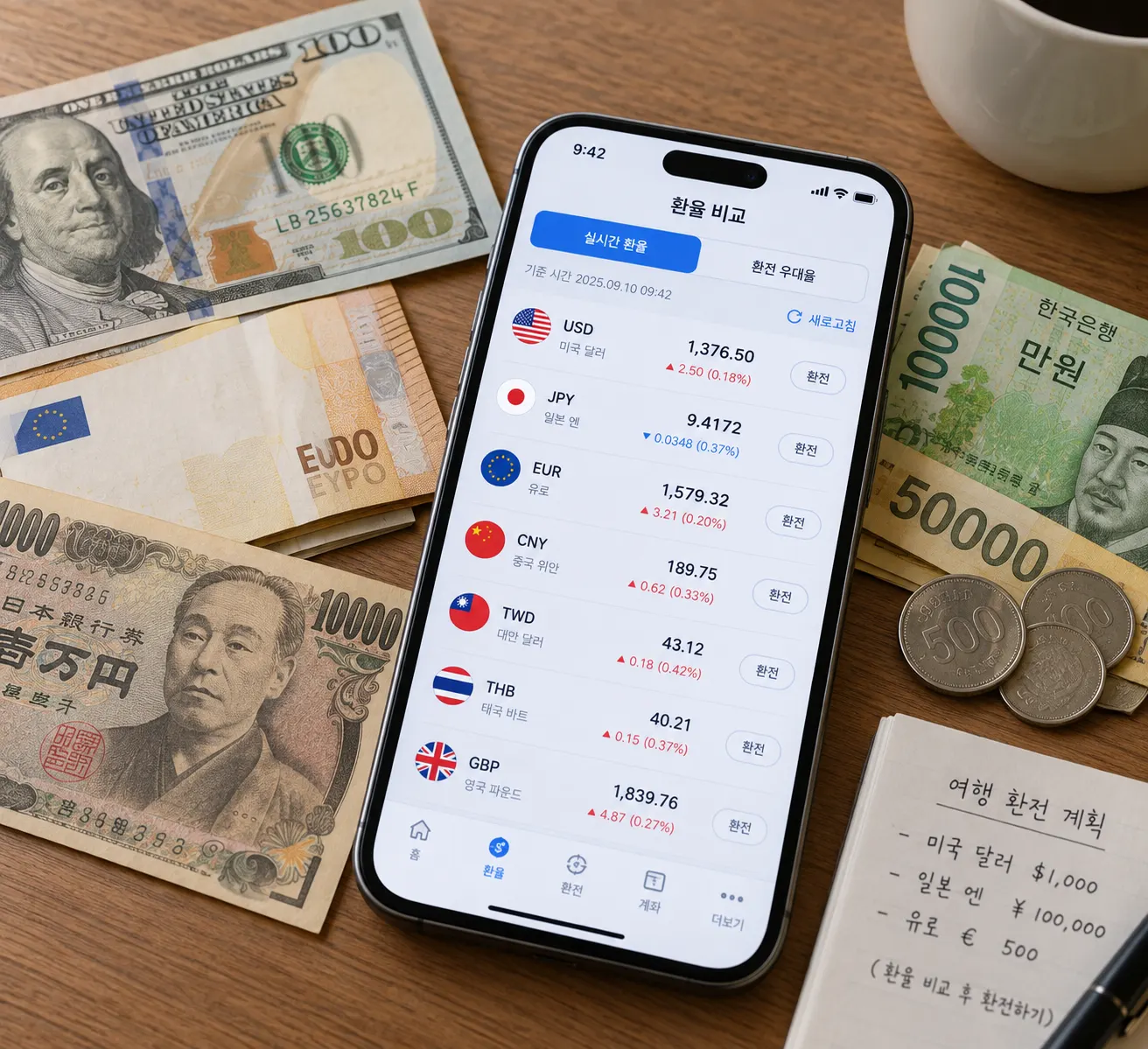
For amounts beyond everyday spending money, comparing a bank's exchange rate against a money changer's posted rate is worth the extra few minutes, since the difference can be meaningful on larger sums.
Sending Money Internationally
Wiring money out of Korea, whether to pay off a loan abroad, support family, or move savings, generally works one of two ways:
- Bank wire transfers, which require your ARC, the recipient's banking details, and often a stated purpose for the transfer, since Korean banks are required to document the reason for larger outbound transfers.
- Money transfer services and apps (Wise, and similar services operating in Korea), which are often cheaper and faster than traditional bank wires for common corridors, though not always available for every country or in every situation.
A common misunderstanding is assuming international transfers work like domestic ones, quick and largely unquestioned. In Korea, transfers above certain thresholds trigger additional reporting requirements under foreign exchange regulations, this isn't unique to Korea, but the documentation expectations can surprise people used to more frictionless systems elsewhere.
Reporting Thresholds You Should Know About
Korea's Foreign Exchange Transactions Act requires reporting for larger cross-border transactions, and while exact figures and rules can be adjusted by regulation, the general pattern that matters for individuals:
- Transfers above a certain amount (commonly cited around USD 5,000 equivalent per transaction for some reporting purposes, though thresholds vary by transaction type and purpose) may require additional documentation or bank reporting.
- Larger cumulative transfers over a year can also trigger additional scrutiny or reporting obligations, even if no single transfer crosses a per-transaction threshold.
- Bringing physical cash into or out of Korea above roughly USD 10,000 equivalent requires customs declaration, a rule that trips up travelers who don't realize it applies to cash, not just formal transfers.
Because thresholds and specific reporting rules can change and vary by circumstance, checking directly with your bank before a large transfer is the safest approach rather than relying on a fixed number.
What Foreign Residents Commonly Get Stuck On
- Sending salary earned in Korea back home. This is generally permitted and routine, but banks may ask for pay stubs or an employment certificate to document the source of funds for larger amounts.
- Bringing large personal savings into Korea, for a housing deposit, for example, sometimes requires documentation showing the funds' origin, especially for amounts large enough to raise anti-money-laundering flags.
- Underestimating fees on frequent small transfers. Sending smaller amounts often through a bank wire tends to be more expensive proportionally than consolidating into fewer, larger transfers, due to flat wire fees.
- Confusing exchange rate markup with the transfer fee. Some services advertise "no fee" transfers but build their margin into a worse exchange rate, worth comparing the total amount received, not just the advertised fee.
Practical Tips for Better Rates
- Compare the actual amount that arrives at the destination, not just the headline exchange rate or fee, since these interact differently across providers.
- For regular, recurring transfers (like monthly support to family), a transfer app with consistent, transparent rates often works out cheaper over time than repeated bank wires.
- If you're converting a large lump sum, splitting it across a couple of transactions on different days can sometimes average out rate fluctuations, though this is a minor optimization, not a guaranteed benefit.
Quick Summary
- Bank exchange rates, money changers, and ATM withdrawals all come with different fee structures, comparing them matters more for larger amounts than small everyday spending.
- International wire transfers from Korea generally require ARC verification and a stated purpose, especially above certain reporting thresholds.
- Carrying cash above roughly USD 10,000 equivalent across Korean borders requires customs declaration, a rule that surprises many travelers.
- Comparing the total amount received, not just advertised fees or rates, is the most reliable way to judge which transfer method is actually cheaper.