Korea Inflation Rose in June. What It Means for Prices, Rates and Households
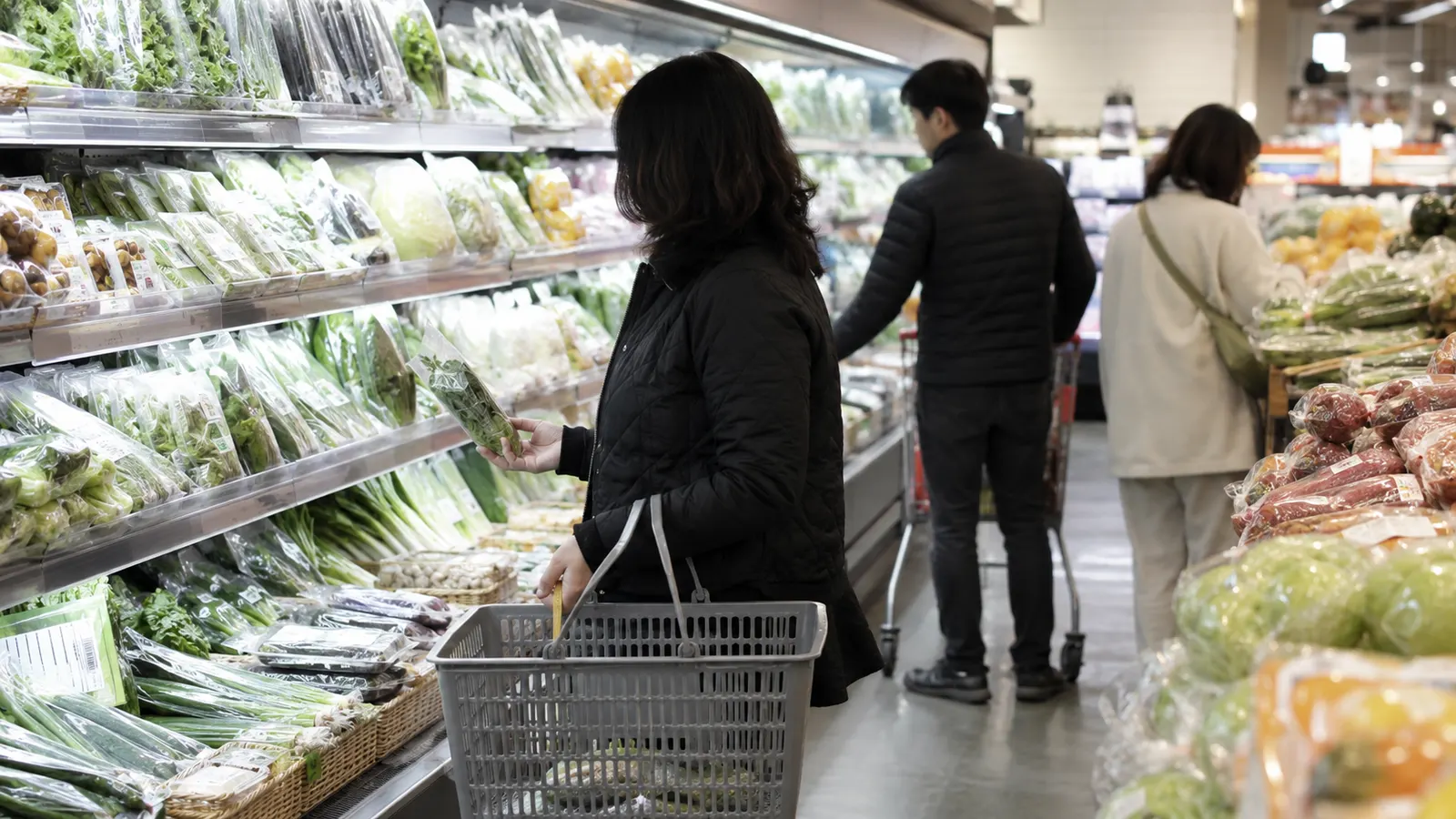
Korea’s inflation trend is back in focus after the government reported that the Consumer Price Index climbed 3.2 percent in June 2026. For households, the number matters because it affects grocery bills, rent pressure, transport costs and the Bank of Korea’s interest-rate decisions.
For foreign readers, it also gives a clearer picture of Korea’s economy at a time when the country is trying to balance growth, exports, household debt and price stability.
Why inflation matters now
Inflation is not just an economic headline. When prices rise faster than wages, households feel poorer even if they are earning the same monthly income. In Korea, the pressure can be especially noticeable because many families already deal with high housing costs, education spending, food expenses and loan payments.
A 3.2 percent inflation reading does not mean every item became 3.2 percent more expensive. Some prices rise faster, some slower, and some may fall. But the headline number is still important because it shapes expectations. If people expect prices to keep rising, businesses may raise prices earlier and workers may demand higher wages. That can make inflation harder to control.
What the Bank of Korea will watch
The Bank of Korea does not react to one month of data alone. It usually looks at the broader trend: core inflation, energy prices, food prices, exchange rates, household debt and global interest-rate conditions. If inflation stays above the comfort zone, rate cuts become harder.
If inflation cools and the economy weakens, the central bank has more room to support growth. That is why investors pay close attention to each inflation release. It can change expectations for bond yields, the won-dollar exchange rate and stock market sentiment.
Why the won also matters
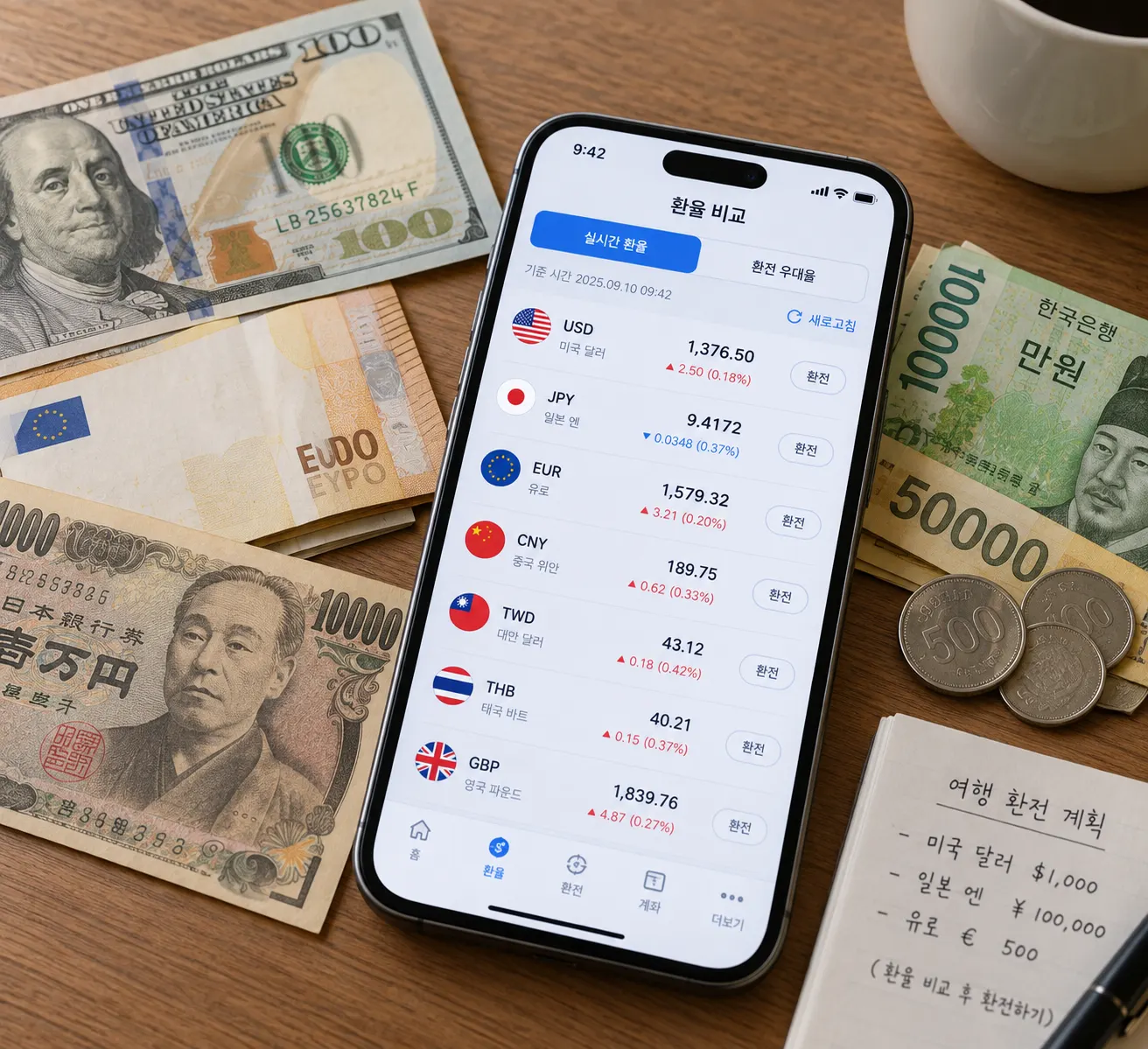
Korea imports many goods, including energy and raw materials. When the Korean won weakens against the U.S. dollar, imported goods can become more expensive. That can feed into domestic inflation. When the won strengthens, import pressure may ease, although the effect is not immediate.
Exporters also watch the currency closely. A weaker won can help exporters earn more in local currency, while a stronger won can reduce that advantage. This makes Korea’s inflation story closely connected to global markets.
What households should watch
For ordinary consumers, the most important categories are food, utilities, transport and borrowing costs. Food inflation is felt quickly because it affects weekly spending. Utility and energy prices can change household budgets during hot summers and cold winters.
Borrowing costs matter because many Korean households carry mortgages, jeonse-related loans, credit loans or business loans. If inflation remains sticky, interest rates may stay higher for longer. That can make debt repayment more difficult.
What businesses should watch
Small businesses are also affected. Restaurants, cafes, beauty shops and service businesses often face higher ingredient, rent, wage and utility costs. But they cannot always pass the full increase to customers.
That can squeeze profit margins, especially in competitive neighborhoods. For exporters and importers, currency movement is just as important as domestic inflation. A small exchange-rate shift can change costs and revenue.
The bigger picture
Korea is trying to manage a difficult mix: high household debt, global trade uncertainty, heavy investment in AI and semiconductors, and pressure to protect consumer purchasing power.
Inflation is one of the numbers that connects all of those issues. If prices stabilize, households gain breathing room and policymakers have more options. If inflation remains high, Korea’s economy may have to stay cautious for longer.
Quick Summary
- Korea’s Consumer Price Index rose 3.2 percent in June 2026.
- Inflation affects household spending, business costs and rate expectations.
- The Bank of Korea will watch whether price pressure continues.
- Currency movement can influence import costs and inflation.
- Stable prices would give Korean households and policymakers more flexibility.