How Korean Investment Options Work for Foreign Residents

If you've settled into life in Korea and started wondering whether you can invest your savings locally, a Korean brokerage account, local ETFs, or simply keeping everything in a savings account, the options are more accessible than many foreign residents assume, but a few eligibility and tax details are worth understanding before moving significant money into a Korean investment account.
Here's how investment access actually works for foreign residents in Korea, without venturing into specific investment recommendations, since what's right for your situation depends on your own goals and risk tolerance.
Opening a Korean Brokerage Account
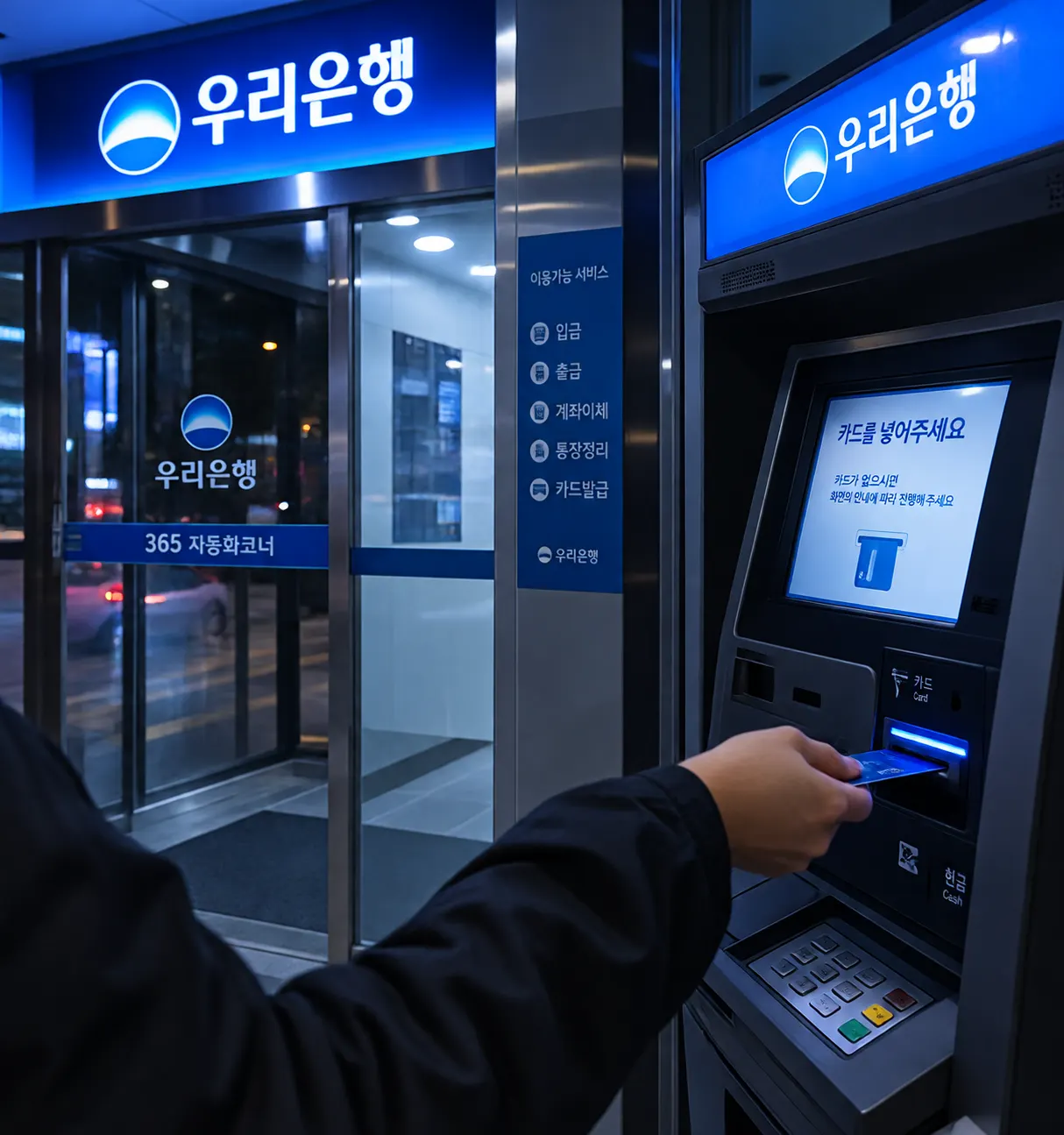
- Most Korean securities firms allow foreign residents to open a brokerage account, generally requiring your ARC, a Korean bank account, and proof of address, similar baseline documentation to opening a standard bank account.
- Some brokerages have more foreign-friendly account opening processes than others, including partial English-language support, worth comparing a few options rather than assuming every Korean brokerage offers equivalent accessibility for non-Korean speakers.
- F-series visa holders generally face fewer restrictions than those on more employer-tied E-series visas, though standard brokerage account access for basic domestic stock and ETF investment is generally available across most standard long-term visa categories.
What You Can Actually Invest In
- Korean domestic stocks and ETFs, traded on the KOSPI and KOSDAQ exchanges, are generally accessible to foreign individual investors through a standard Korean brokerage account.
- Korean-domiciled funds covering both domestic and international assets are widely available, offering exposure to overseas markets through Korean investment vehicles without needing a separate foreign brokerage account.
- Direct foreign stock investment (buying US stocks, for example, directly through a Korean brokerage) has become increasingly accessible in recent years, many Korean brokerages now offer this as a standard feature, though currency conversion fees and specific platform capabilities vary.
Tax Considerations Foreign Investors Should Understand
- Capital gains tax treatment for Korean stock investments varies based on specific holding thresholds and investor categories, the rules have periodically changed and differ for domestic versus foreign stock investment, checking current regulations directly with a tax professional or your brokerage rather than relying on outdated information matters given how these rules have shifted over time.
- Dividend taxation generally applies to investment income, similar to how other income is taxed, understanding the specific withholding and reporting requirements for your situation is worth clarifying, particularly if investment income adds meaningful complexity to your annual tax filing beyond standard employment income.
- Reporting foreign assets or investment accounts back to your home country may carry separate obligations depending on your home country's specific tax rules, this is a common area where foreign residents overlook a home-country reporting requirement while focused on understanding the Korean side of the equation.
Common Misunderstandings
A frequent assumption among foreign residents is that investing in Korea requires either full Korean fluency or specialized permission beyond standard account opening. In practice, once you have your ARC and basic banking established, brokerage account access for standard investment products is generally straightforward, the more genuinely complex part tends to be understanding tax implications across both Korean and home-country systems rather than the account-opening process itself.
Another common misunderstanding involves assuming Korean National Pension contributions function as a personal investment account you can direct or withdraw flexibly, National Pension is a separate mandatory social insurance system with its own distinct rules, not a discretionary personal investment vehicle, covered in more detail in how the broader National Pension system works for foreign employees.
What to Consider Before Investing as a Foreign Resident
- Clarify your visa stability and long-term plans in Korea, since investment decisions, particularly involving Korean-specific vehicles, are easier to plan around a clearer sense of how long you expect to remain in the country.
- Understand currency exposure, investing in Korean won-denominated assets carries currency risk relative to your home currency, worth understanding as a factor distinct from the investment's underlying performance itself.
- Consult a cross-border tax professional if your situation is financially significant, particularly relevant if you're maintaining investment or financial obligations in your home country simultaneously with Korean investment activity, the interaction between two tax systems is often the most genuinely complex part of the equation.
Quick Summary
- Foreign residents can generally open a Korean brokerage account with an ARC and Korean bank account, F-series visa holders typically face fewer restrictions than E-series visa holders.
- Korean stocks, ETFs, domestic funds, and increasingly direct foreign stock investment through Korean brokerages are all generally accessible standard options.
- Tax treatment for capital gains and dividends varies and has changed periodically, checking current rules directly rather than relying on outdated information matters for accurate planning.
- Cross-border tax complexity, understanding obligations in both Korea and your home country simultaneously, tends to be the more genuinely complicated part of investing as a foreign resident, worth professional guidance for significant financial decisions.