How Korean IPO Subscriptions (Gongmogu) Work for Retail Investors
If you've noticed Korean coworkers or friends getting excited about a company's "공모주" (gongmogju) around a new stock listing, and wondered what this actually involves or whether foreign residents can participate, IPO subscription has become a genuinely popular retail investment activity in Korea, distinct enough from how IPO access typically works in some other countries that it's worth understanding the specific mechanics before assuming it works the same way.
Here's how Korean IPO subscriptions actually work, and what foreign residents need to know before participating.
What Makes Korean IPO Subscription Distinctive
Unlike some markets where IPO share access is largely limited to institutional investors or high-net-worth clients, Korea has a structured retail subscription process that gives ordinary individual investors, through their brokerage accounts, a genuine opportunity to apply for shares in a company's initial public offering before it begins trading on the open market.
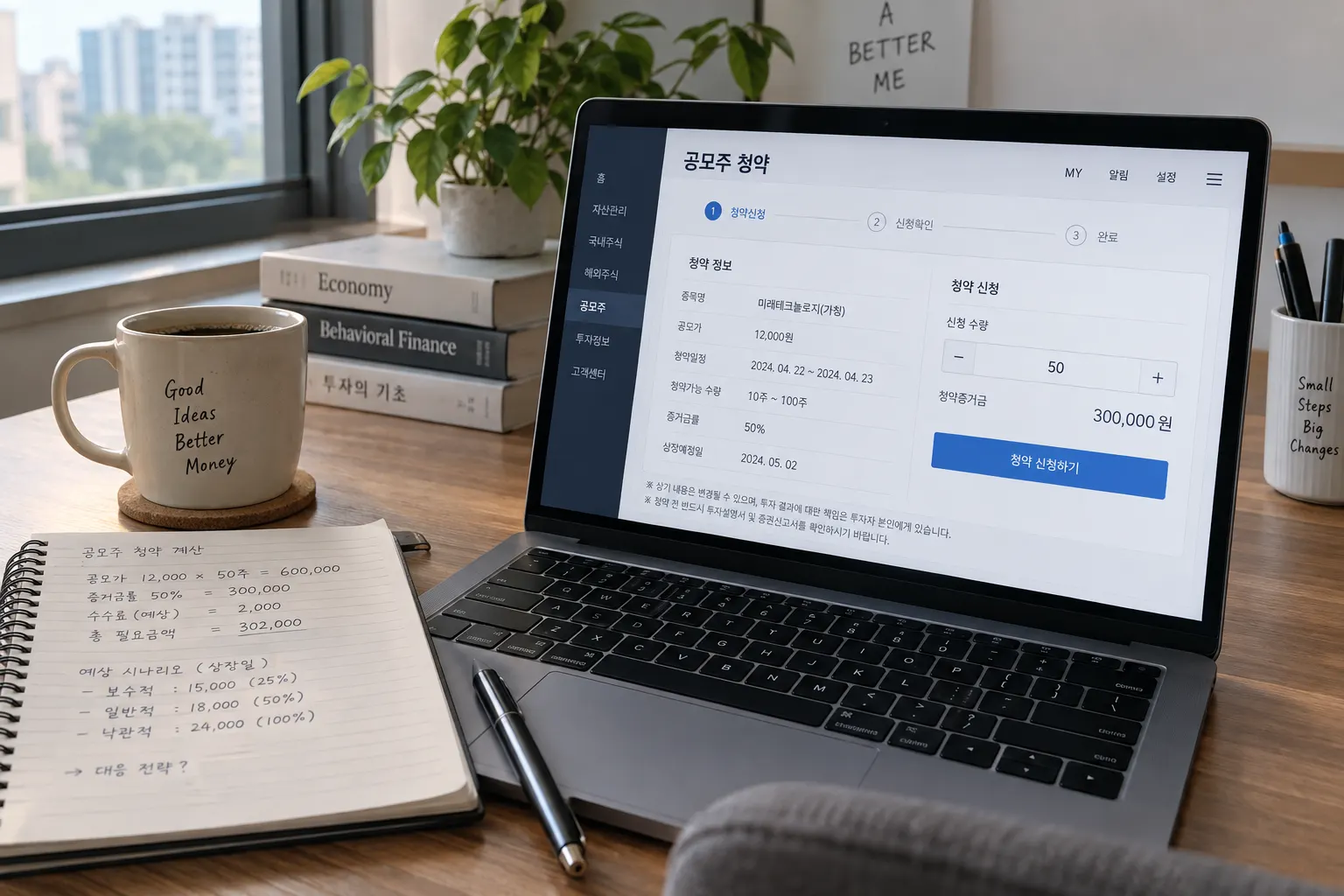
- Subscription periods are announced in advance, generally a company files for listing, and a specific subscription window, often just a couple of days, opens during which retail investors can apply for an allocation of shares at the IPO price, before the stock begins trading and its price potentially moves.
- Allocation is generally proportional to subscription amount and applicant volume, rather than a simple first-come-first-served system, meaning depositing a larger subscription amount generally increases your allocated shares, though popular, oversubscribed offerings result in a smaller allocation percentage relative to what was requested.
- A temporary deposit, not a permanent investment, is required during subscription, you generally need to deposit funds covering your intended subscription amount during the application window, with unallocated funds refunded shortly after the allocation process completes.
Can Foreign Residents Actually Participate?
- Foreign residents with a standard Korean brokerage account are generally eligible to participate in IPO subscriptions the same way Korean citizens are, there's no separate, restricted tier specifically for foreign account holders in most standard cases.
- The same brokerage account eligibility requirements covered in how investment access works for foreign residents apply here, an ARC, Korean bank account, and standard brokerage account opening process.
- Understanding the specific brokerage's subscription process interface, sometimes requiring navigation through Korean-language menus or specific subscription application steps, matters more for actually participating smoothly than any formal eligibility restriction based on nationality.
Why This Has Become So Popular Among Retail Investors
- Well-known, highly anticipated IPOs sometimes see the stock price rise notably on its first day of trading compared to the IPO subscription price, creating a genuine, though not guaranteed, opportunity for retail investors who received an allocation.
- Not every IPO performs this way, and subscription popularity itself doesn't guarantee post-listing performance, understanding that this is a genuine investment activity with real risk, not a guaranteed profit mechanism, matters for approaching it with appropriate expectations.
- Some retail investors specifically strategize around subscription amount and timing based on public interest indicators and pre-listing demand estimates, though this remains speculative activity rather than a reliable formula.
Practical Steps to Participate
- Monitor upcoming IPO announcements, generally covered through financial news, your brokerage's own notifications, or dedicated IPO tracking services and apps that specifically aggregate upcoming subscription opportunities.
- Open or confirm your brokerage account is set up well before a specific subscription window you're interested in, since account setup delays could mean missing a short subscription period entirely.
- Deposit the required subscription funds during the specific application window, following your brokerage's specific subscription application process, which sometimes differs slightly between brokerages in interface and required steps.
- Monitor allocation results and refund timing, understanding that unallocated deposited funds are returned relatively quickly after the subscription period closes and allocation is determined.
Common Mistakes and Misunderstandings
- Assuming guaranteed profit from IPO subscription participation, treating it as a reliable investment strategy rather than genuine market activity with real risk, some IPOs underperform their subscription price after listing.
- Missing short subscription windows due to account setup delays or simply not tracking announcement timing closely enough, since these windows are often brief.
- Not understanding brokerage-specific fee structures for IPO subscription participation, some brokerages have specific fee or minimum balance requirements tied to this particular service.
- Confusing IPO subscription with regular stock purchase, the subscription process, temporary deposit and allocation mechanism, is genuinely distinct from simply buying shares of an already-listed company through standard trading.
Quick Summary
- Korean IPO subscription (공모주) gives retail investors, including eligible foreign residents with a standard brokerage account, a structured opportunity to apply for shares before a company begins public trading.
- Allocation is generally proportional to subscription amount and overall demand, with unallocated deposited funds refunded shortly after the subscription period closes.
- Foreign residents generally face the same brokerage account eligibility requirements as any other Korean investment activity, no separate restricted tier typically applies based on nationality alone.
- IPO subscription carries genuine investment risk despite its popularity, not every listed company's stock price rises above the subscription price after trading begins, understanding this matters for realistic expectations.