Korean Credit Cards vs. Check Cards: What Foreign Residents Should Apply For First

A foreign resident opening a Korean bank account may be offered a check card immediately but told that a credit card requires another application. Both cards may look similar and work at the same stores, yet they affect your bank balance, approval process, benefits, and financial risk in very different ways.
For most newcomers, the useful question is not which card is more prestigious. It is which card fits your income, stay length, spending habits, and ability to manage Korean billing systems.
What is a Korean check card?
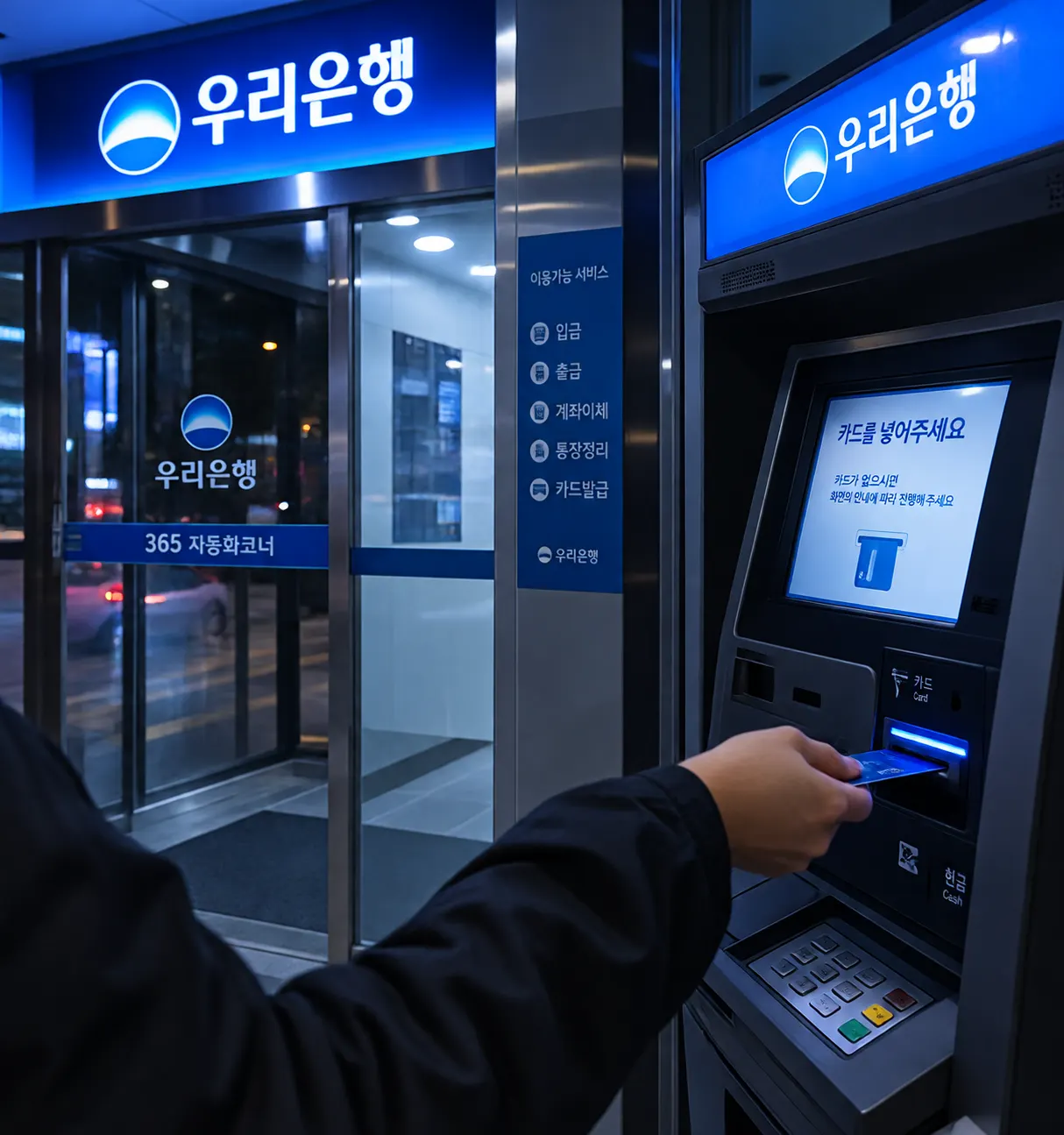
A Korean check card is similar to a debit card. Purchases are normally deducted from the connected bank account rather than collected into a monthly credit-card bill. Check cards are widely used for:
- Shops and restaurants
- Online purchases
- Transportation-linked payments
- Subscriptions
- Delivery apps
- ATM access when supported
- Everyday budgeting
A check card can be a practical first card because it limits spending to money already available in the account. It also avoids the need to understand monthly credit billing immediately.
However, a transaction may fail if the account balance is too low. This matters for subscriptions, recurring phone bills, hotel deposits, and services that attempt payment at a specific time.
What is a Korean credit card?
A credit card allows approved purchases to be paid later according to the card issuer’s billing cycle. It may also offer rewards, discounts, installment options, travel benefits, or insurance-related features.
Approval is not automatic. A card issuer may consider factors such as:
- Employment
- Income
- Visa or residence status
- Remaining period of stay
- Banking history
- Existing debt
- Payment record
- Internal risk policy
- Requested credit limit
The exact requirements differ by issuer and can change. One foreign resident’s approval does not prove that another person with a similar salary will receive the same result. Do not pay an unofficial broker who promises guaranteed approval.
Why a check card is usually easier for newcomers
New residents often lack a long Korean financial history. They may also be waiting for salary deposits, phone verification, address registration, or immigration updates. A check card works well during this setup period because it can provide ordinary domestic payment access without creating a separate borrowing limit. It may be sufficient if you:
- Want simple spending control
- Do not need installment payments
- Have irregular income
- Plan to stay for a short period
- Prefer immediate account deductions
- Mainly spend on daily necessities
- Want to avoid missing a monthly bill
The main disadvantage is that check cards may provide weaker benefits than some credit cards. They can also be less convenient for transactions that place a temporary hold or require a larger available balance.
When a credit card may be useful
A Korean credit card may make sense for a resident with stable income and a longer stay who wants to centralize spending or use benefits tied to regular expenses. Possible advantages include:
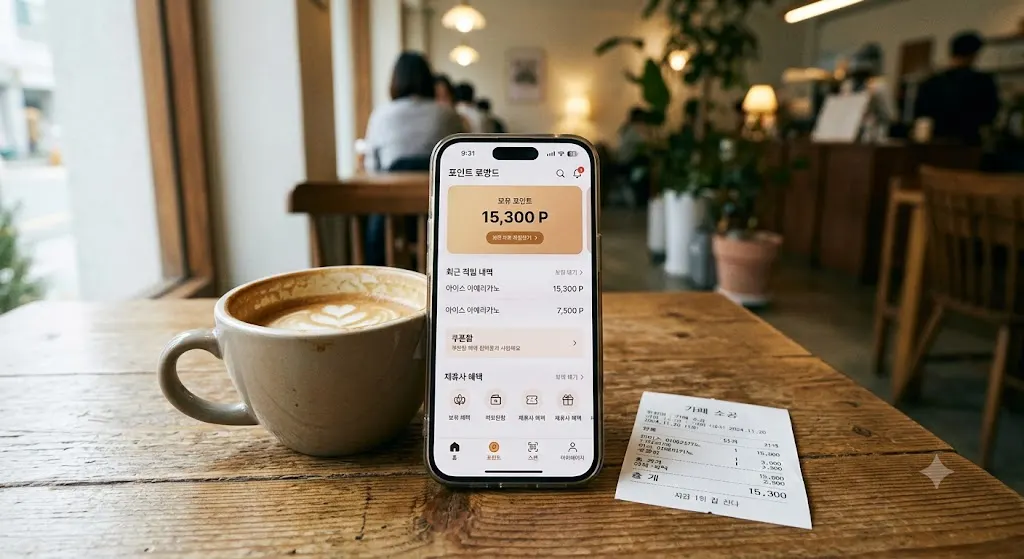
- Monthly spending records
- Discounts on selected categories
- Reward points
- Installment purchases
- Higher payment flexibility
- Automatic billing
- Travel-related features
- Stronger card-specific promotions
These benefits are valuable only when they match your actual spending.
A card offering discounts after a high monthly spending requirement may cost more than it saves. A card with an annual fee may be poor value if its main benefits apply to services you do not use.
Read the conditions, not only the headline reward.
Installment payments need careful handling
Korean credit cards may offer installment payment options for larger purchases. This can make appliances, furniture, dental treatment, education, or electronics easier to budget. But “installment” does not always mean free financing. Interest or fees may apply depending on the merchant, card, promotion, and number of months. Before selecting an installment plan, confirm:
- Total purchase price
- Number of installments
- Monthly amount
- Interest or fee
- Early repayment process
- Refund handling
- What happens if the card is closed
Do not choose a long installment period when your visa or employment may end before the final payment.
Billing dates are easy to misunderstand
A credit-card purchase is not necessarily withdrawn from your bank account on the day you buy something.
The issuer groups transactions into a billing cycle and collects payment on the designated payment date. The relationship between purchase date, statement period, and payment date can be confusing at first.
Ask the issuer to explain:
- Statement closing period
- Payment date
- Connected bank account
- Minimum required balance
- Late-payment consequences
- App notifications
- Foreign-language statement options
- How refunds appear
Keep enough money in the linked account before the payment date. Missing a payment because of a misunderstanding can create unnecessary financial problems.
Card benefits can be conditional
Korean card advertisements often promote discounts on transport, cafés, mobile bills, streaming, shopping, or fuel. The discount may require:
- A minimum previous-month spend
- Registration of the merchant
- Automatic billing
- A monthly discount limit
- Payment through a specific channel
- Exclusion of taxes, gift cards, or fees
- Use of a particular card version
A card promising a discount does not mean every purchase in that category receives it. Estimate your normal monthly spending before choosing. Do not increase spending merely to qualify for a small benefit.
Foreign online payments and overseas use
A card issued in Korea may support domestic use only or include an international network. If you plan to use it outside Korea or on foreign websites, ask:
- Is overseas use enabled?
- Which network is used?
- What exchange-rate method applies?
- What overseas service fees apply?
- Can overseas use be turned off in the app?
- How are suspicious transactions reported?
- Does the card support contactless payment abroad?
For online shopping in Korea, the card itself may work while account identity verification still fails. Payment access and platform membership are separate issues.
Cash advances are not ordinary ATM withdrawals
Credit cards may provide cash-advance or card-loan functions. These are borrowing products, not withdrawals from your own deposit account. Fees and interest can be significant. Using them casually because the ATM displays an available amount can create debt.
When withdrawing your own money, use the bank account or debit function connected to your check card. Read the ATM screen carefully and cancel when the transaction type is unclear.
What documents may help with a credit-card application?
The issuer may request documents showing residence and repayment ability. Depending on the case, useful documents may include:
- Passport
- Residence card
- Korean address
- Korean phone number
- Employment certificate
- Employment contract
- Salary statements
- Bank transaction history
- Tax or income documents
- Student or professional status
- Existing deposit relationship
Requirements vary. Bring additional documents, but do not send sensitive files to unverified agents or unofficial messaging accounts.
A practical order for most residents
A low-risk setup is:
- Open a Korean bank account.
- Obtain a check card.
- Set up mobile banking and phone verification.
- Receive regular salary or income into the account.
- Learn recurring payment dates.
- Apply for a credit card only when it solves a real need.
- Begin with a manageable credit limit.
- Pay the full statement balance on time.
A credit card can be useful, but it should not be treated as proof that you are fully settled in Korea.
Quick Summary
- A check card usually deducts purchases directly from your bank balance and is practical for newcomers.
- Credit-card approval depends on the issuer’s review and is not guaranteed for every foreign resident.
- Compare annual fees, spending requirements, discount limits, and billing dates before applying.
- Treat cash advances and long installment plans as borrowing, not ordinary card features.