Korean Housing Deposits Explained for Foreign Renters
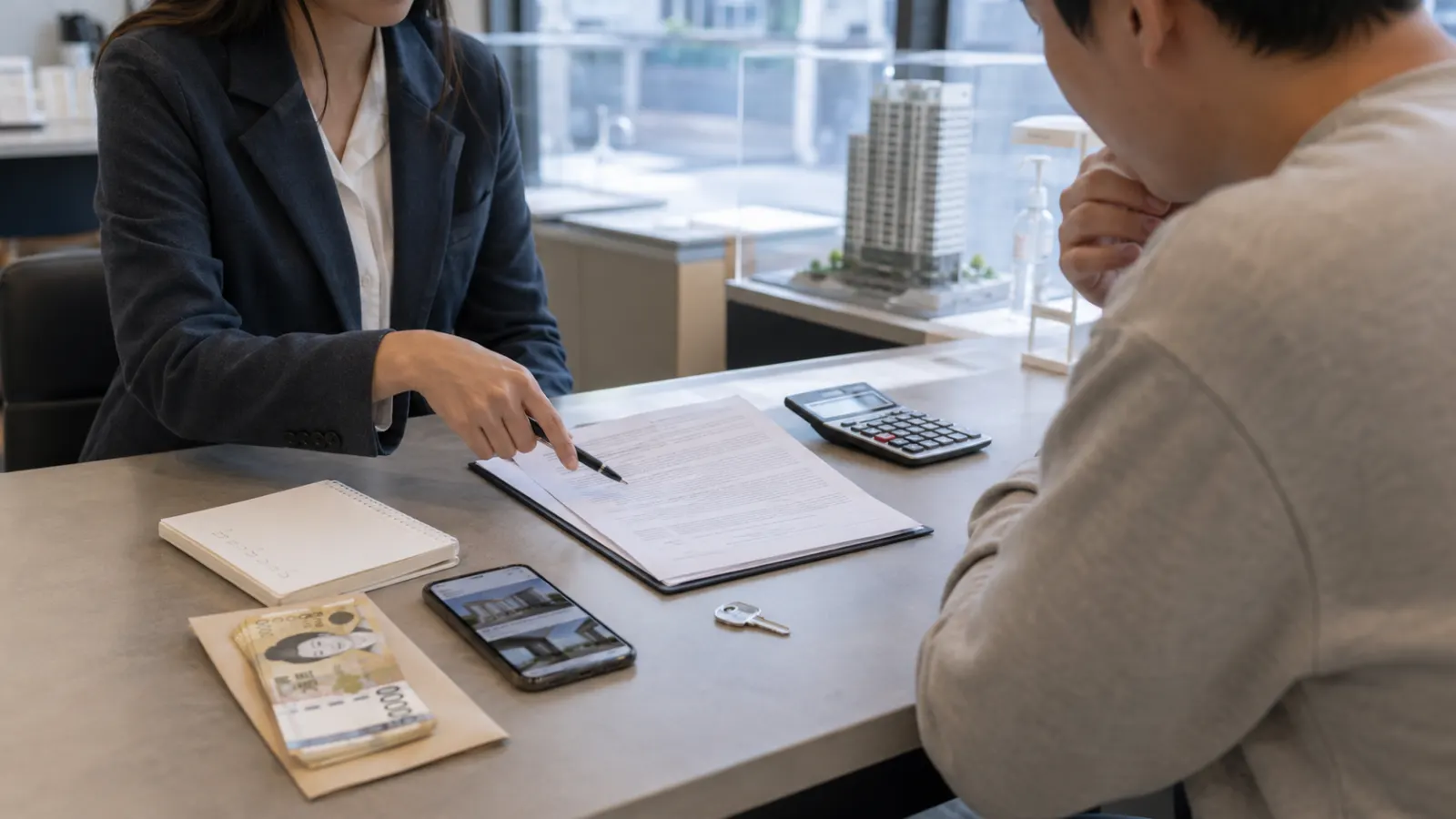
A foreigner looking for housing in Korea may expect to pay one month of rent as a security deposit. Then the listings start showing numbers like ₩5 million, ₩10 million, ₩30 million, or much more, and the whole system suddenly feels risky. The rent itself may look reasonable, but the deposit can change the entire decision.
Korean housing is not impossible to understand, but it works differently from many rental markets overseas. The key is knowing how deposits, monthly rent, contract types, maintenance fees, and tenant protection fit together before you transfer a large amount of money.
Why Korean rental deposits are so large
In many countries, a rental deposit is mainly a damage deposit. It may equal one or two months of rent and is held in case the tenant breaks something or leaves unpaid bills.
In Korea, the deposit, called bogeumgeum, plays a much bigger role. It is not only a damage deposit. It is part of the financial structure of the rental contract. In many cases, the more deposit you pay, the lower your monthly rent becomes. This is why two rooms that look similar may have very different rent depending on the deposit.
For example, one officetel may be listed at a lower monthly rent with a higher deposit. Another may have a lower deposit but higher monthly rent. This does not mean one is automatically better. It depends on your cash situation, stay length, risk tolerance, and whether you need to keep money available for daily life.
The common misunderstanding is thinking, “I get the full deposit back, so it does not matter.” In theory, the deposit should be returned at the end of the contract. In real life, tying up a large amount of money can create stress, especially if there are disputes, delays, property debt issues, or a landlord who needs the next tenant’s deposit before returning yours.
Wolse, jeonse, and ban-jeonse
Most foreign renters will hear three Korean housing terms.
Wolse means monthly rent. You pay a deposit and then pay rent every month. This is the most familiar structure for many foreigners, although the deposit can still be much larger than expected.
Jeonse is Korea’s large-deposit rental system. Instead of paying monthly rent, the tenant pays a very large lump-sum deposit and usually pays only building management fees and utilities during the contract. At the end, the landlord returns the deposit. Jeonse can be attractive for people with a lot of cash, but it is also risky if the property’s financial condition is poor or the landlord cannot return the money smoothly.
Ban-jeonse is a mixed system between jeonse and wolse. You pay a larger deposit than a normal monthly rental, but still pay some monthly rent. It can be useful when you want to lower rent but cannot or do not want to pay a full jeonse deposit.
For most students, workers who just arrived, remote workers, and first-time foreign residents, wolse is usually the easiest to understand. Jeonse may look financially efficient, but it requires much more caution and often more local knowledge.
Officetel deposits can look simple but hide extra costs
Officetels are popular with foreigners because they are often compact, convenient, near stations, and easier to manage than older apartments. Many are studio-style units with elevators, security, and basic facilities.
But an officetel listing is not just deposit plus rent. You also need to check monthly maintenance fees, utilities, internet, parking, cleaning fees, and sometimes separate charges for heating or building services. A room that looks affordable can become less attractive once these recurring costs are added.
Before comparing listings, look at the total monthly cost:
- Monthly rent
- Maintenance fee
- Electricity, gas, and water
- Internet or TV fees
- Parking, if needed
- Agency fee
- Moving cost
- Furniture or appliance purchases
- Possible cleaning or restoration costs when moving out
The mistake point is comparing only the rent. A slightly more expensive room with lower maintenance fees and better insulation may be cheaper in real daily life than a cheaper listing with high monthly building charges.
What foreigners should check before sending a deposit
The deposit is the part that deserves the most attention. Once money is transferred, solving problems becomes harder. Before signing or paying, foreign renters should check:
- Is the person signing as landlord actually the owner or legally authorized?
- Does the property have mortgages, liens, or other debt attached?
- Is the deposit amount clearly written in the contract?
- Is the refund date and condition clearly written?
- Are maintenance fees and utilities separated from rent?
- Is the contract address exactly the same as the room you are renting?
- Can you register your address there if needed?
- Is the real estate agent licensed?
In Korea, the property registration document is important because it shows ownership and financial claims on the property. Foreigners who cannot read Korean should not simply trust verbal explanations. Ask a Korean-speaking friend, relocation helper, school office, employer, or professional to review the registration and contract if the deposit is large.
A real estate agent can be helpful, but the agent is not a substitute for your own caution. You are the one transferring the money.
Why address registration matters
For long-term residents, the rental address is not only about mail delivery. It can affect immigration records, banking, phone verification, health insurance, school paperwork, and tenant protection.
If you are staying on a visa that requires address reporting, you need to make sure the housing arrangement allows proper address registration. Some short-term rentals, goshiwons, share houses, and informal arrangements may be more complicated than expected.
This is especially important if you are using the housing contract as proof of residence for immigration, bank account opening, or other official procedures. A room that is convenient for one month may not be practical if you need formal documents.
Before choosing housing, ask directly whether you can use the address for official registration. Do not assume every place allows it just because you are paying rent.
Short-term rentals are easier but often cost more
Foreigners staying for a few weeks or a few months often prefer furnished short-term housing. It is easier because the deposit is lower, the contract may be more flexible, and furniture is included.
The trade-off is cost. Short-term rentals, serviced residences, co-living spaces, and furnished studios often charge more per month than standard long-term contracts. You are paying for flexibility and convenience.
This can still be the right choice if you have just arrived in Korea. A short-term place can give you time to get your residence card, open a bank account, set up your phone, understand neighborhoods, and inspect rooms in person.
The practical decision is not “short-term is a waste of money.” It may be cheaper than making a rushed long-term decision with a large deposit.
How much deposit is reasonable?
There is no single reasonable number because it depends on location, room type, building age, contract length, and market conditions. Central Seoul, areas near major universities, business districts, and subway stations usually require more money. Smaller cities or less central neighborhoods may be more flexible.
Instead of asking whether the deposit is “normal,” ask whether it is reasonable for your situation.
A high deposit may make sense if you are staying long term, understand the contract, have checked the property, and can afford to keep that money locked up. A lower deposit may make sense if your stay is uncertain, you need cash flexibility, or you are still learning how Korean housing works.
For many foreigners, the safest first step is to avoid putting too much money into the first contract. After six months or a year in Korea, you will understand the system, neighborhoods, and risks much better.
Questions to ask before signing
Before you sign, slow the process down. A good room can disappear quickly, but a bad contract can follow you for a long time. Ask these questions clearly:
- What is the exact deposit, rent, and maintenance fee?
- Which utilities are included and which are separate?
- When will the deposit be returned?
- What deductions can be made from the deposit?
- Can I register this address?
- Is the contract with the owner or a sublessor?
- What is the contract period and early termination rule?
- Who pays the real estate agency fee?
- Are appliances and furniture included in writing?
- What happens if the landlord sells the property?
If the answers are vague, do not rush. Vague explanations are a warning sign, especially when a large deposit is involved.
A practical way to rent more safely
Foreigners do not need to avoid Korean housing deposits completely. They need to treat them seriously. Korea’s rental system can work well when the contract is clean, the landlord is reliable, and the property is financially safe. But it is not a casual one-month deposit system.
If you are new to Korea, consider starting with a smaller, more flexible housing option while you learn the system. If you are signing a standard officetel or apartment contract, check the property documents, understand the total monthly cost, confirm address registration, and get help reviewing the Korean contract.
The best rental choice is not always the cheapest rent or the newest room. It is the contract where the deposit, risk, location, monthly cost, and your stay length make sense together.
Quick Summary
- Korean rental deposits are often much larger than one or two months of rent and can affect monthly rent.
- Wolse is monthly rent, jeonse is a large-deposit system, and ban-jeonse mixes deposit and monthly rent.
- Foreign renters should check ownership, property debt, address registration, maintenance fees, and deposit refund terms before signing.
- Short-term housing can cost more monthly but may be safer while you learn Korea’s rental system.