How the National Pension System Works for Foreigners in Korea
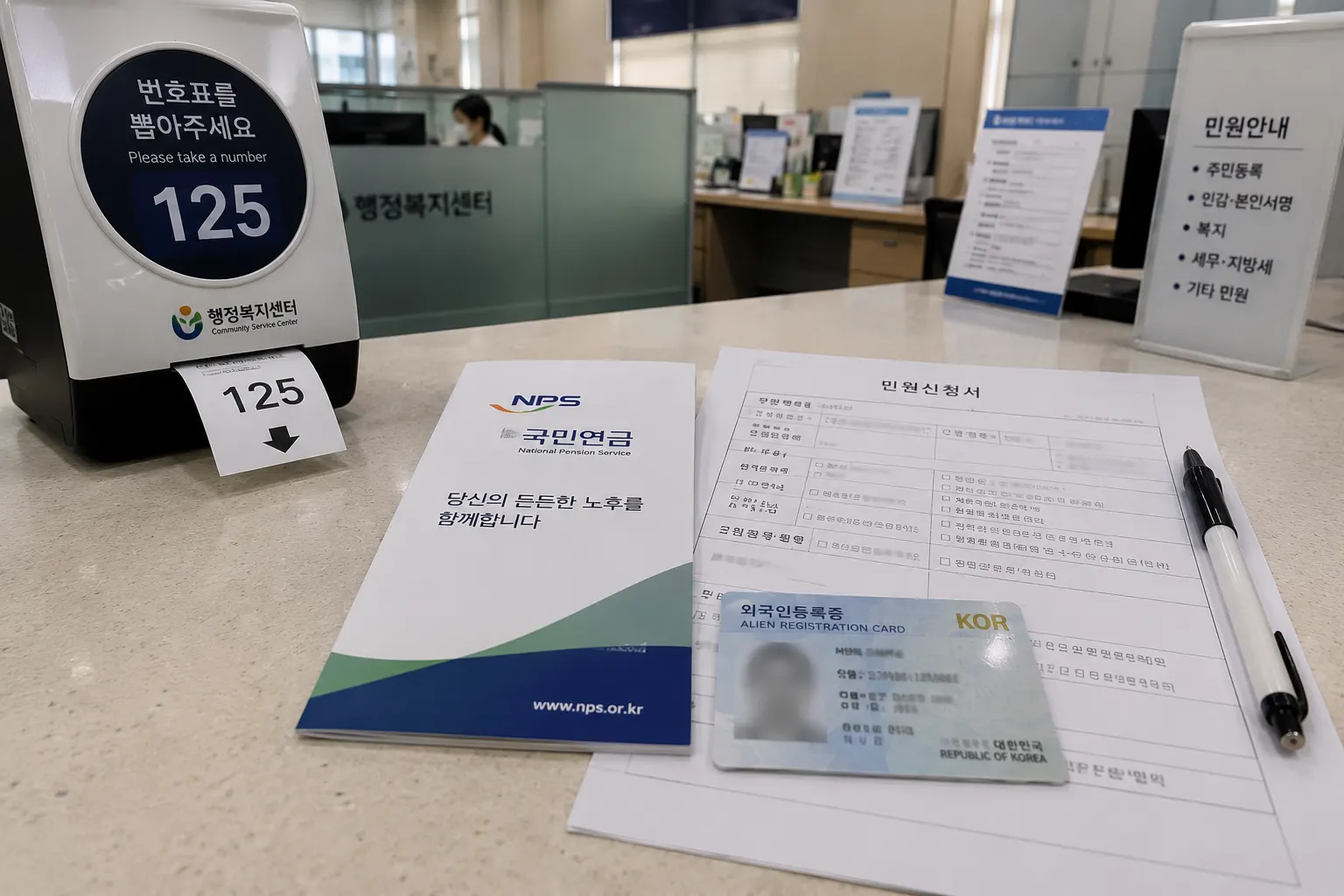
If you've noticed a deduction on your Korean payslip labeled "국민연금" and wondered whether you'll ever see that money again, especially if you don't plan to retire in Korea, you're asking one of the most common financial questions among foreign workers. The National Pension System is mandatory for most employees, but what happens to your contributions when you eventually leave depends heavily on your nationality and the specific bilateral agreement your country has with Korea.
Here's how the system actually works, who's required to join, and what you can realistically expect to get back.
Who Has to Join
Most foreign employees in Korea working under an employment contract are automatically enrolled in the National Pension System (NPS) once they start work, similar to Korean citizens. This generally applies to:
- Employees on E-series work visas with a Korean employer
- F-series visa holders working in Korea
- In some cases, self-employed individuals on relevant visa categories, depending on income and registration status
A few visa categories are exempt or have modified requirements, including some short-term categories and certain student visa holders working limited part-time hours, since NPS is generally tied to employment status and income level rather than visa type alone.
How Much You Actually Pay
- The standard contribution rate is 9% of your monthly salary, split evenly between you and your employer, so you personally contribute 4.5% through payroll deduction.
- This is calculated on a capped income basis, meaning very high earners don't pay 9% on their full salary beyond a certain monthly income ceiling, which is adjusted periodically.
- Unlike health insurance, which you generally can't avoid regardless of home country, pension enrollment for foreigners depends partly on reciprocity agreements between Korea and your home country.
The Reciprocity Rule That Changes Everything
This is the part that surprises the most people. Korea's National Pension Act includes a reciprocity condition: if your home country doesn't require Korean citizens working there to pay into that country's equivalent pension system, your home country's citizens may be exempted from Korean National Pension contributions, or vice versa, depending on the specific bilateral arrangement.
- Some countries have social security agreements with Korea that allow contribution periods to count toward benefits in either country, or allow a lump-sum refund of contributions upon leaving Korea permanently.
- Countries without such an agreement sometimes fall under a straightforward exemption from Korean pension contributions altogether, depending on how their own system treats Korean nationals.
- If your country does have a totalization-style agreement with Korea, your contributions may go toward eventual retirement benefits calculated across both countries' systems, rather than a simple refund.
Because this varies so significantly by nationality, checking your specific country's agreement status with Korea's National Pension Service directly, rather than assuming based on what a coworker from a different country experienced, is the only reliable way to know your situation.
Getting a Lump-Sum Refund When You Leave
For foreign workers from countries with a qualifying arrangement, or in cases where a lump-sum refund applies, leaving Korea permanently generally allows you to apply for a refund of your accumulated contributions, though this isn't automatic and requires action on your part.
- Confirm your departure is final, refunds are generally intended for people leaving Korea long-term or permanently, not for temporary trips home.
- Apply through the National Pension Service, either before departure or in some cases after, depending on your specific situation and nationality.
- Provide required documentation, typically your ARC, passport, bank account details, and proof of departure or visa cancellation.
- Processing and payout timing varies, and funds are sometimes only released after your departure is confirmed and your Korean visa status is closed out.
A common mistake is leaving Korea without initiating this process, assuming it happens automatically, it generally doesn't, and delayed applications can complicate the paperwork trail, especially once you're no longer physically in the country to sort out inconsistencies.
What Foreign Workers Commonly Misunderstand
A frequent assumption is that pension contributions are simply lost if you leave Korea after a short stay. For many nationalities, this isn't accurate, refunds or credited contribution periods are genuinely available, but only if you understand your country's specific arrangement and take the correct steps before or shortly after departure.
Another misunderstanding is treating National Pension the same as National Health Insurance, assuming both work identically for foreigners. They're separate systems with different eligibility rules, health insurance enrollment is essentially mandatory for most long-stay foreigners regardless of nationality, while pension participation and refund eligibility depend heavily on your home country's specific agreement with Korea.
Quick Summary
- Most foreign employees on standard work visas are automatically enrolled in Korea's National Pension System at a 9% contribution rate, split with their employer.
- Whether you're required to contribute, and whether you can get a refund upon leaving, depends on a reciprocity agreement between Korea and your home country, not a universal rule.
- Lump-sum refunds for eligible nationalities aren't automatic, you need to apply through the National Pension Service with proper documentation around the time you leave Korea.
- National Pension and National Health Insurance are separate systems with different rules for foreigners, don't assume they work the same way.