How Korean Overdraft Protection and Bank Fees Actually Work
If you've overdrawn a Korean bank account by accident, or been surprised by a fee on a statement you didn't expect, you've run into a part of Korean banking that isn't explained clearly when you first open an account. Korea's overdraft system and standard fee structure work differently from what many foreign residents assume, particularly around whether overdrafts happen automatically or require a separate agreement, and what counts as a "free" transaction versus one with a hidden cost.
Here's how overdraft protection and common bank fees actually work in Korea.
Overdrafts Generally Don't Happen by Default
Unlike some countries where a debit transaction can go through even with insufficient funds, resulting in an automatic overdraft and fee, most standard Korean checking accounts simply decline a transaction if there isn't enough balance, rather than allowing it through with a penalty charged afterward.
- A declined transaction at a store or ATM due to insufficient funds is generally just that, declined, without an automatic overdraft fee being applied the way it might be elsewhere.
- Overdraft protection (마이너스 통장, literally "minus account") is a specific, separate product you apply for, functioning more like a pre-approved line of credit tied to your account than an automatic safety net.
- Interest applies once you're in overdraft under this specific product, calculated on the negative balance, and approval for this feature generally requires a credit assessment similar to a small loan application, not something automatically granted to every account holder.
Applying for Overdraft Protection (마이너스 통장)
If you want this safety net, rather than simply having transactions decline when your balance runs low, you'll generally need to apply separately:
- Have an established relationship with the bank, typically requiring some months of account history and, for foreign applicants, generally the same six months to a year of documented Korean income used for credit card eligibility.
- Undergo a credit and income review, similar in spirit to a small loan application, since the bank is extending you a line of credit rather than just account access.
- Agree to specific interest terms, rates vary by bank and your individual credit profile, understanding the interest rate before activating this feature matters, since it's meant as an occasional safety net, not a routine spending buffer.
F-series visa holders and those with a longer, more established banking relationship generally find approval easier than newer arrivals on shorter-term visas.
Common Bank Fees to Watch For
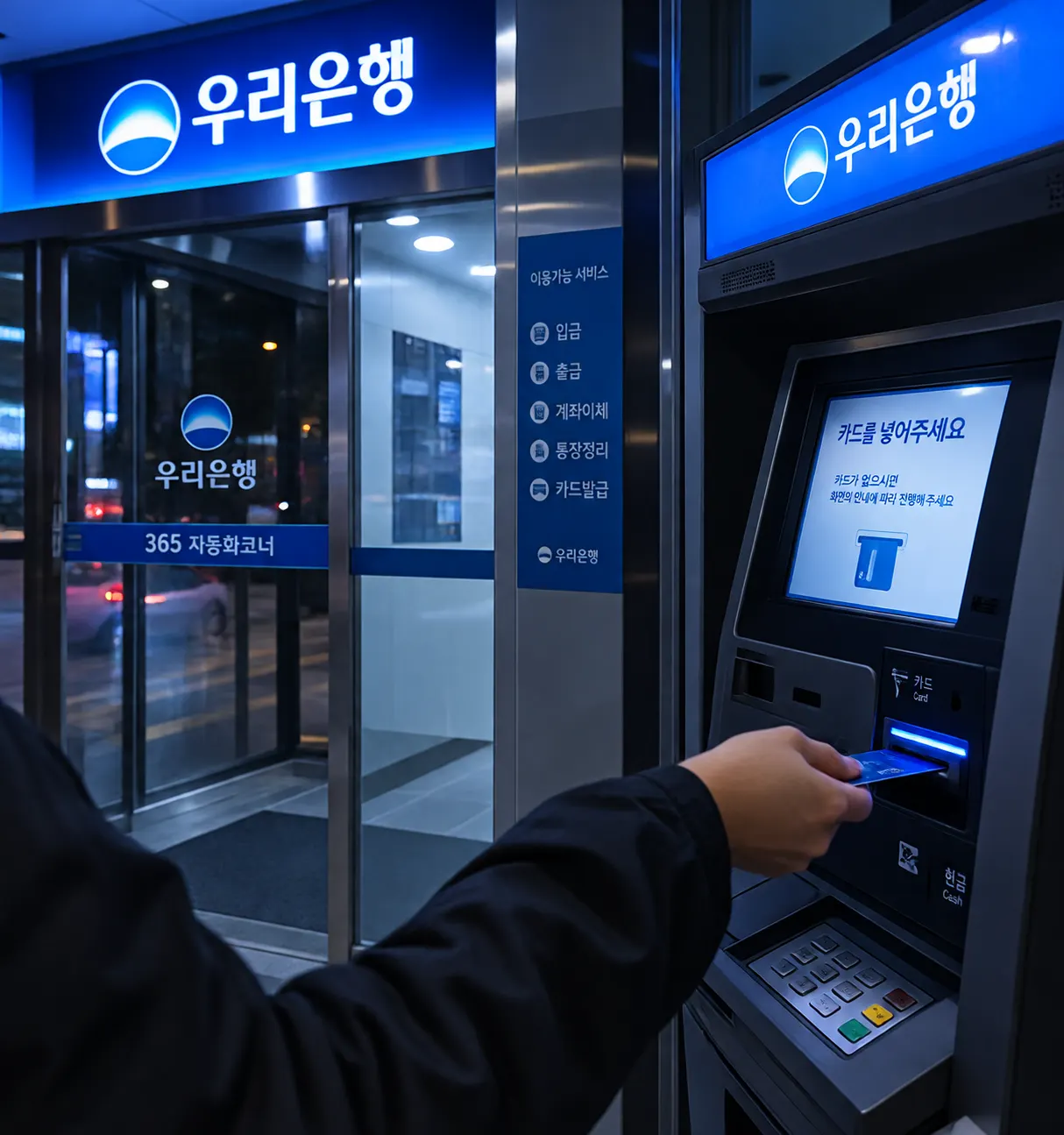
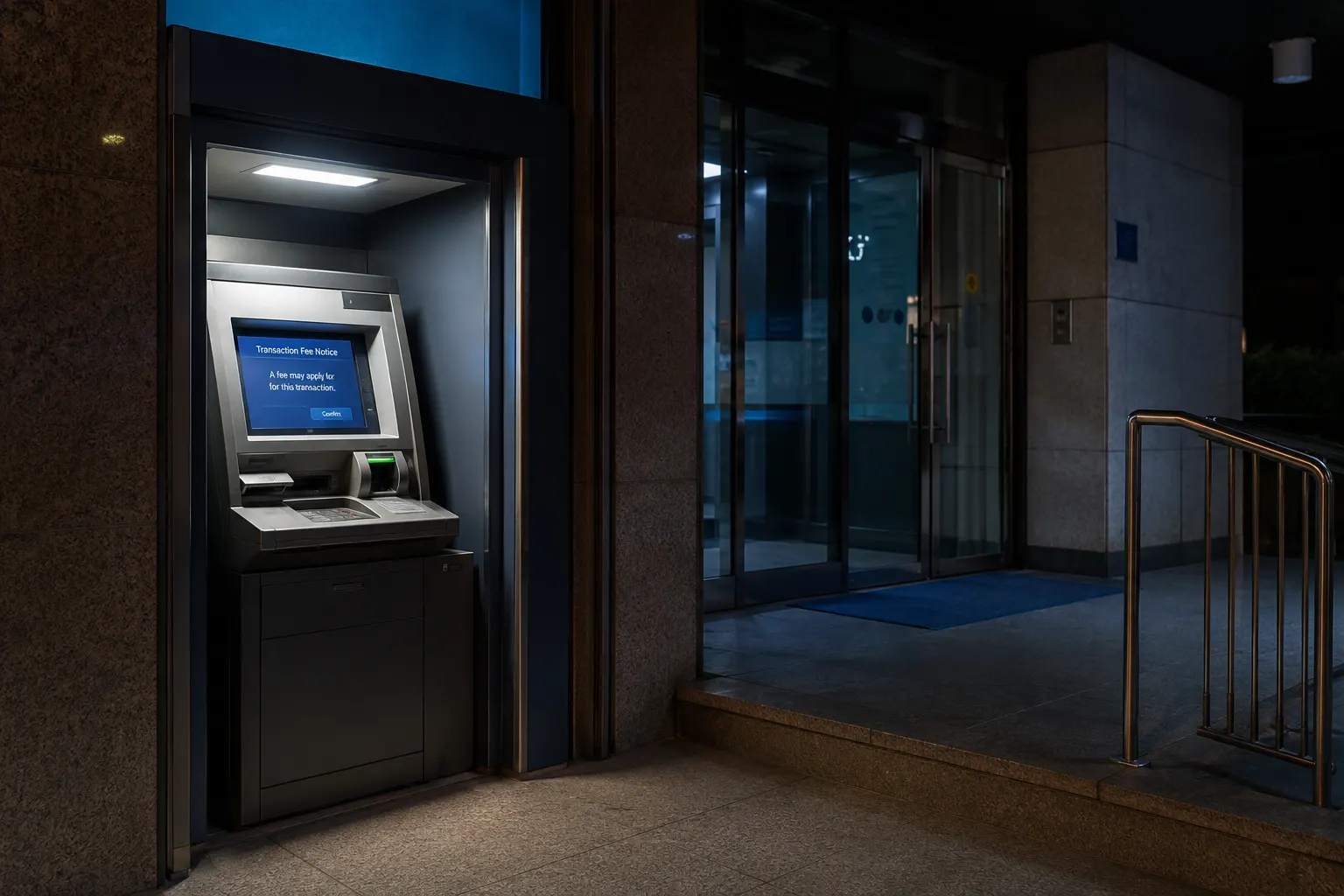
- ATM fees outside your bank's network or after hours are common, using your own bank's ATM during business hours is typically free, but a different bank's ATM, or your own bank's ATM outside standard hours, often carries a modest fee.
- International transfer fees, both a flat wire fee and sometimes a less favorable exchange rate margin, apply to outbound international transfers, worth comparing against dedicated transfer services for regular international sends.
- Account maintenance fees are relatively uncommon for basic checking accounts at most Korean banks, unlike some countries where a monthly account fee is standard, though certain premium account types do carry fees for additional services.
- Card reissuance fees apply if you lose your debit or credit card and need a replacement, generally a modest one-time charge.
A Common Misunderstanding About "Free" Banking
A frequent assumption among foreign residents is that Korean banking, generally free of the routine monthly maintenance fees common in some countries, means everything about the account is free. In practice, specific transactional fees, ATM usage outside your network, international transfers, expedited services, still apply, the absence of a blanket monthly fee doesn't mean there's no fee structure at all, understanding which specific actions carry a cost avoids surprise charges accumulating quietly over time.
What Happens If You're Repeatedly Declined or Mismanage an Account
Banks generally don't penalize occasional declined transactions from insufficient funds beyond simply not processing them, but a pattern of account mismanagement, bounced automatic payments, for example, can affect your standing with that bank and potentially your broader credit profile over time. Setting up balance alerts through your banking app, a feature most Korean bank apps support, helps avoid this pattern before it becomes a recurring issue.
Quick Summary
- Standard Korean checking accounts generally decline transactions when funds are insufficient rather than processing an automatic overdraft with a penalty fee.
- Overdraft protection (마이너스 통장) is a separate credit product requiring application and a credit review, functioning more like a pre-approved credit line than an automatic safety net.
- Common fees include ATM charges outside your bank's network, international transfer fees, and card reissuance, though routine monthly maintenance fees are less common than in some other countries.
- Setting up low-balance alerts through your bank's app helps avoid declined transactions and the account management issues that can arise from repeated occurrences.