How Property Taxes and Housing Costs Work for Foreign Owners in Korea
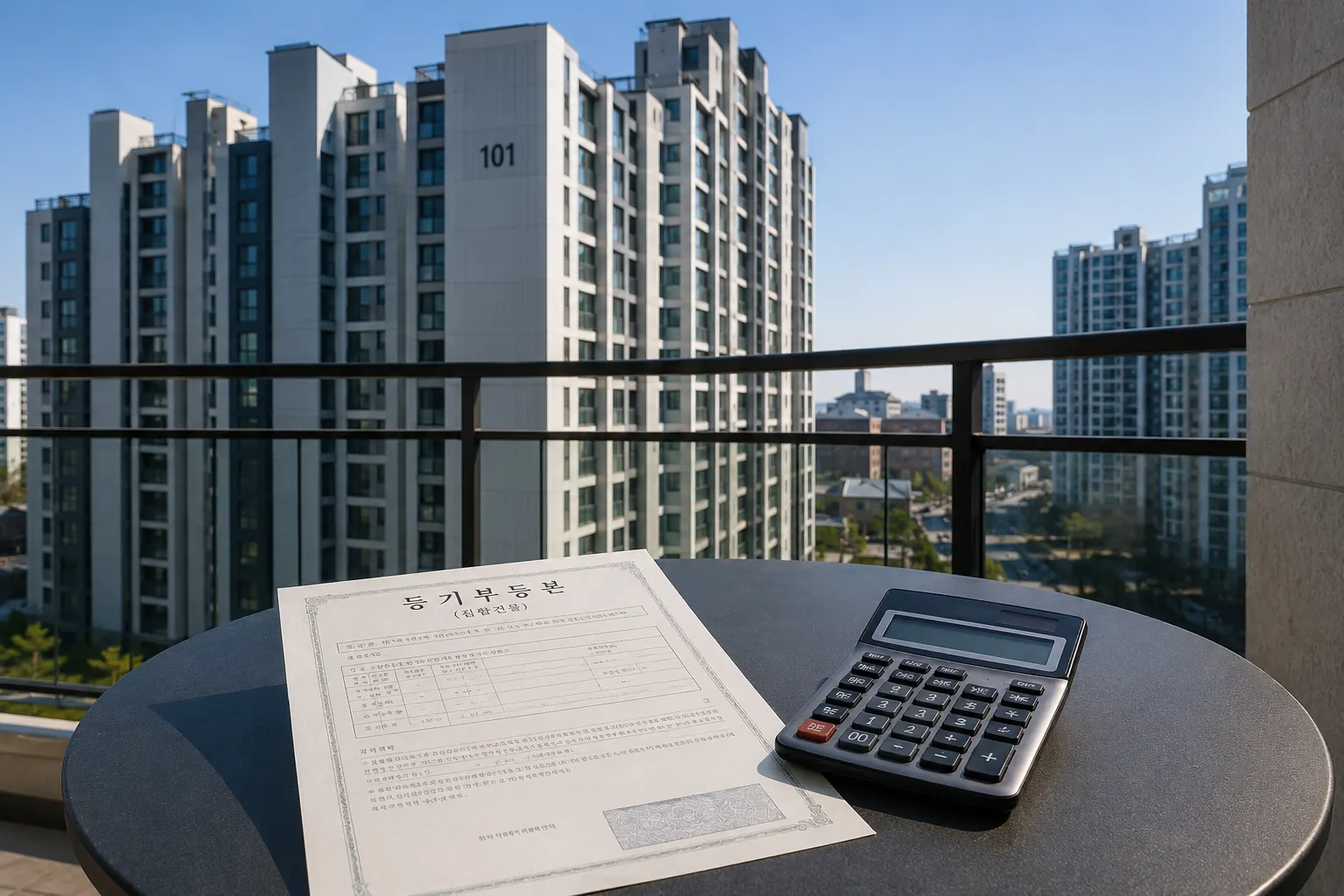
If you're a foreign resident considering buying property in Korea, whether an apartment to live in or a small investment unit, the tax obligations that come with ownership catch a lot of buyers off guard. Korea's property tax system isn't especially complicated once you understand the pieces, but it does involve more moving parts than simply paying an annual bill, and foreign owners face a few additional considerations Korean citizens generally don't.
Here's what property ownership actually costs beyond the purchase price, and where foreign buyers commonly get confused.
The Taxes You'll Pay When Buying
- Acquisition tax (취득세) is due shortly after purchase, generally calculated as a percentage of the purchase price, commonly around 1–3% for a standard residential property, though rates scale up for higher-value properties or multiple property ownership.
- Registration tax and related fees are typically bundled with the acquisition process, covering the formal registration of ownership with the property registry.
Foreign buyers should also budget for *legal and administrative fees**, since property transactions in Korea commonly involve a licensed real estate agent and sometimes a judicial scrivener (법무사) to handle registration paperwork correctly, adding a percentage-based cost on top of the property price itself.
Ongoing Annual Property Taxes
Once you own property in Korea, two main recurring taxes apply:
- Property tax (재산세), billed annually and calculated based on the government-assessed value of the property, not necessarily the market price you paid, this assessed value is typically lower than actual market value, which affects the tax calculation.
- Comprehensive real estate tax (종합부동산세), sometimes called the "mansion tax," applies only above a certain assessed value threshold, meaning most modest apartments or officetels don't trigger this additional tax, but higher-value properties, especially multiple properties held by the same owner, can be affected significantly.
A common misunderstanding among foreign buyers is assuming property tax scales directly with what they paid for the unit. In practice, the government's assessed value, which can lag behind or diverge from market price depending on the area and property type, is what actually determines your tax bill, not your original purchase price.
Do Foreigners Face Different Rules Than Korean Citizens?
For the most part, foreign individuals purchasing residential property in Korea face similar tax rates to Korean citizens for a single property purchase, though a few areas warrant extra attention:
- Certain regions, particularly some designated speculation zones during periods of high housing market activity, have had additional restrictions or higher acquisition tax rates apply to multiple-property buyers or specific buyer categories, including some foreign purchases, depending on the specific regulation in effect at the time.
- Financing a property purchase as a foreigner is often more restrictive than for Korean citizens, banks generally require more documentation around income source, visa status, and sometimes a larger down payment percentage, since mortgage products and eligibility can differ from what's offered to long-term Korean residents.
- Reporting requirements exist around bringing in funds from abroad for a property purchase, tied to the same foreign exchange transaction reporting rules that apply to other large cross-border transfers into Korea.
Because property-related regulations for foreign buyers have changed periodically in response to housing market conditions, checking current rules with a real estate professional or your bank before finalizing a purchase is worth the effort rather than relying on older or secondhand information.
Renting Out Property as a Foreign Owner
If you own property in Korea and rent it out rather than living in it yourself, additional obligations apply:
- Rental income is taxable, and foreign owners generally need to file and report rental income similarly to how Korean landlords do, sometimes requiring business registration depending on the scale of rental activity.
- Managing tenant deposits (particularly jeonse-style arrangements) comes with legal obligations around returning deposits at lease end, and disputes here can be more complicated to navigate from abroad if you're not physically present in Korea.
- Property management services are commonly used by foreign owners who don't live in Korea full-time or want help handling maintenance, tenant communication, and rent collection, adding a service fee but reducing the hands-on burden significantly.
Common Mistakes Foreign Property Owners Make
- Underestimating total transaction costs. Between acquisition tax, agent fees, and registration costs, the effective cost of buying is meaningfully higher than the listed purchase price alone.
- Not budgeting for the comprehensive real estate tax threshold if considering multiple properties, since crossing this threshold changes the tax calculation significantly.
- Assuming financing works the same as for Korean citizens. Mortgage eligibility, required documentation, and loan-to-value ratios often differ for foreign buyers, worth confirming directly with banks early in the process rather than after finding a property.
- Overlooking rental income tax obligations if renting out the property, particularly for owners living outside Korea who assume income earned abroad-adjacent doesn't need local reporting.
Quick Summary
- Property ownership in Korea involves an upfront acquisition tax (roughly 1–3% for standard purchases) plus ongoing annual property tax based on government-assessed value, not purchase price.
- The comprehensive real estate tax applies only above a certain assessed value threshold, relevant mainly for higher-value or multiple properties.
- Foreign buyers generally face similar core tax rates to Korean citizens but often encounter more restrictive financing requirements and additional documentation for large fund transfers.
- Renting out owned property carries separate tax reporting obligations, and property management services are commonly used by foreign owners who aren't based in Korea full-time.