Finance
How Korean Rent-vs-Buy Decisions Work for Long-Term Foreign Residents
By New In Korea TeamPublished Updated
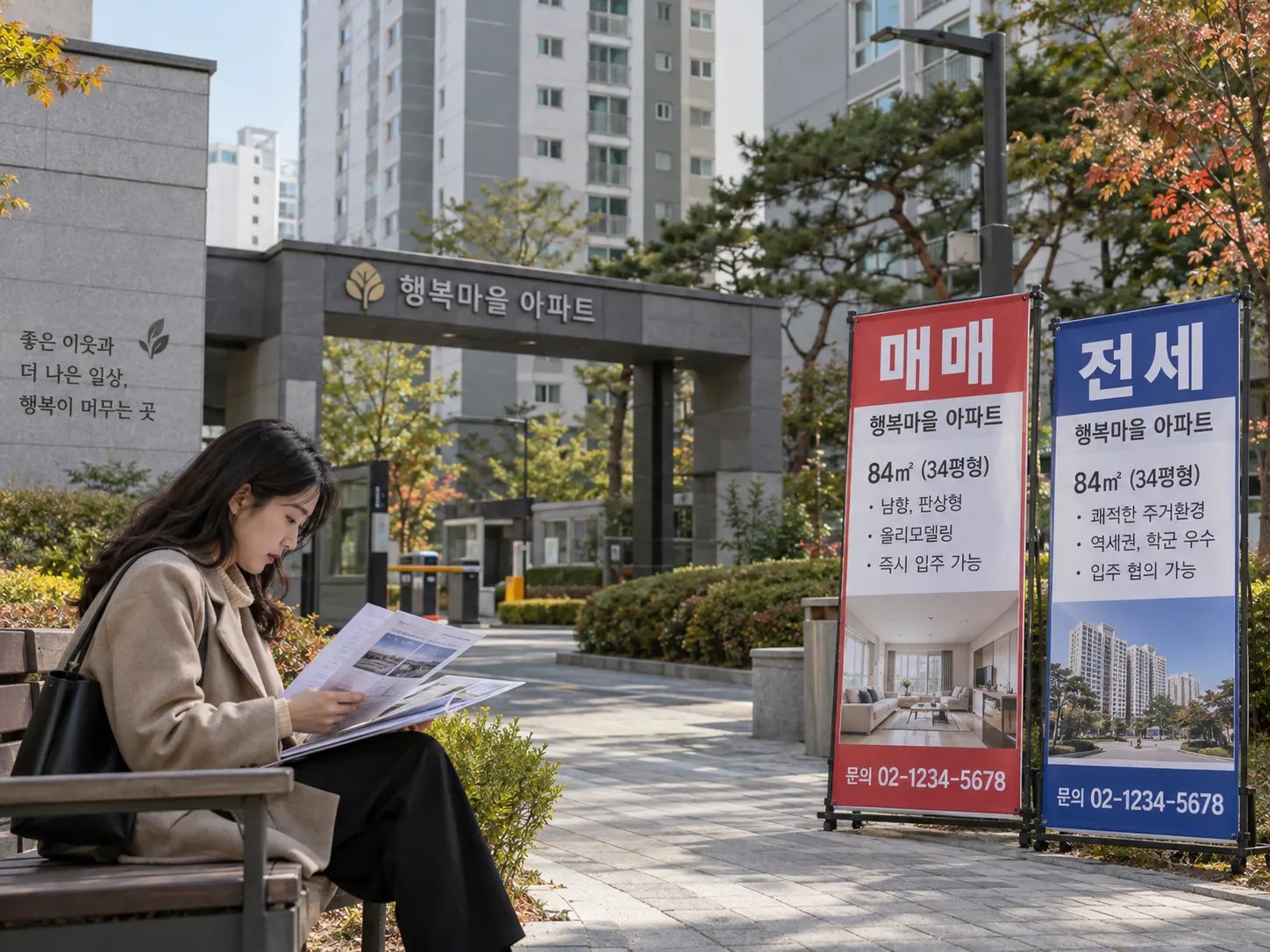
If you've been in Korea for several years and started wondering whether buying property genuinely makes more financial sense than continuing to rent, particularly given how much cash sits tied up in a Korean jeonse deposit anyway, understanding the actual financial and practical trade-offs specific to Korea's housing market, and specific to your situation as a foreign resident, helps you approach this significant decision with a clearer framework rather than general assumptions imported from a different country's housing market dynamics.
Here's how the rent-versus-buy decision actually plays out for long-term foreign residents in Korea.
Why Korea's Jeonse System Changes the Usual Calculation
- Korea's jeonse system, as covered in what to know before renting an officetel, already involves depositing a very large sum, sometimes 70-90% of a property's value, with the landlord, meaning the usual "renting lets you keep your capital invested elsewhere" argument common in other countries' rent-versus-buy analysis doesn't apply as cleanly in Korea, since jeonse tenants already have significant capital tied up.
- The opportunity cost comparison shifts somewhat, comparing the return you might earn investing jeonse deposit funds elsewhere (if you got the deposit back and invested it) against actual homeownership, rather than the more straightforward monthly-rent-versus-mortgage-payment comparison common in many other countries' rent-versus-buy frameworks.
- Wolse arrangements, involving a smaller deposit and ongoing monthly payment, align more closely with a traditional rent-versus-buy framework familiar from other countries, understanding which specific rental structure you're actually comparing against ownership matters for an accurate analysis.
Foreign Ownership Eligibility and Considerations
- Foreign residents can generally purchase property in Korea, as covered in how property taxes and housing costs work for foreign owners, though financing access, mortgage eligibility and terms specifically, is often more restrictive for foreign buyers than for Korean citizens, a genuinely significant factor in the actual practical rent-versus-buy calculation for foreign residents specifically.
- Visa stability and long-term intention to remain in Korea represents a genuinely important qualitative factor beyond pure financial calculation, property ownership generally makes more sense with a longer anticipated timeline in a specific location, given transaction costs, both acquisition tax and eventual resale considerations, that make short-term ownership less financially favorable than longer-term holding.
- Currency risk for foreign residents whose long-term financial base or eventual retirement plans involve a different home currency represents another consideration specific to foreign buyers, less relevant for a Korean citizen buyer whose entire financial life is naturally denominated in KRW.
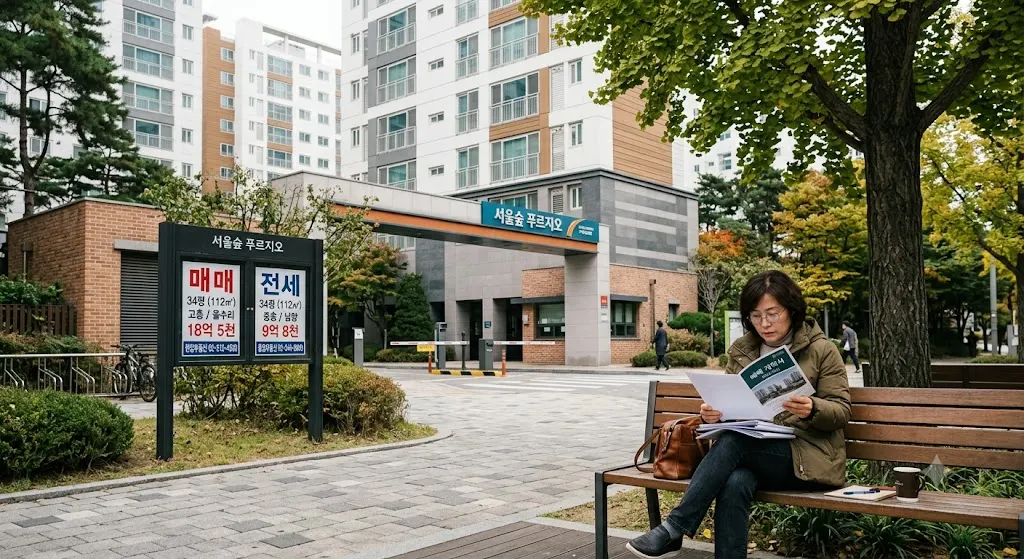
Financial Factors to Actually Compare
- Total transaction costs of buying, acquisition tax, agent fees, and other one-time purchase costs, as covered in property tax obligations for foreign owners, against the ongoing cost structure of continued renting, factoring these one-time costs into your comparison timeline rather than only comparing ongoing monthly costs matters for an accurate picture.
- Property value appreciation potential and market conditions in your specific target area, Korean real estate market conditions vary considerably by region and have gone through meaningful cycles, researching current market conditions and reasonable expectations for your specific target area, rather than assuming universal appreciation, matters for a realistic financial projection.
- Ongoing ownership costs, property tax, maintenance responsibility that shifts from landlord to owner, and the reduced flexibility of ownership compared to the relative ease of relocating as a renter, all factor into a complete comparison beyond the initial purchase versus rental cost difference alone.
Practical Considerations Beyond Pure Financial Calculation
- Your actual long-term commitment to remaining in Korea, genuinely uncertain future plans favor continued renting's flexibility, while a clearer long-term commitment to a specific city or region makes ownership's reduced flexibility less of a practical downside.
- Family and lifestyle factors, if you have children in Korean schools, established community ties, or other factors anchoring you to a specific area for an extended period, these qualitative factors genuinely matter alongside the pure financial calculation.
- Understanding your own risk tolerance for a foreign real estate market, property ownership in an unfamiliar country's market, even after years of residence, carries different risk considerations than investing in a market you have lifelong familiarity with from your home country.
Common Mistakes Foreign Residents Make
- Applying a home-country rent-versus-buy mental framework directly to Korea's specific jeonse-dominated rental system, without adjusting for how differently large deposit-based renting actually compares to ownership financially.
- Not researching actual current financing eligibility and terms available to them specifically as a foreign buyer, assuming financing works identically to a Korean citizen buyer's situation without confirming their own actual eligibility and likely terms.
- Underestimating total transaction costs of buying, focusing primarily on the property price itself without adequately accounting for acquisition tax and other one-time purchase costs in their overall financial comparison.
- Not weighing visa stability and long-term Korea commitment honestly, purchasing property based primarily on favorable financial calculation without adequately considering genuine uncertainty about their own longer-term plans to remain in Korea.
Quick Summary
- Korea's jeonse system, involving very large deposits even for renters, changes the typical rent-versus-buy financial comparison compared to frameworks from countries with more traditional monthly-rent rental systems.
- Foreign residents can generally purchase property in Korea, though financing access and terms are often more restrictive than for Korean citizen buyers, a significant practical factor in the actual decision.
- Comparing total transaction costs, ongoing ownership costs, and realistic regional market appreciation expectations, rather than headline property price alone, produces a more accurate financial comparison.
- Honestly weighing your actual long-term commitment to remaining in Korea, alongside pure financial calculation, matters significantly given how transaction costs and reduced flexibility make ownership less favorable for uncertain shorter-term residents.