Finance
How Korean Rental Deposit Insurance and Protection Programs Work
By New In Korea TeamPublished Updated
If you're worried about getting your jeonse or wolse deposit back at the end of your lease, particularly given news coverage of Korean renters losing deposits when landlords face financial trouble, understanding the specific insurance and protection mechanisms available to renters in Korea helps you take concrete steps to protect what's often a genuinely significant sum of money tied up in your housing deposit.
Here's how Korean rental deposit protection actually works, and what steps renters can take to safeguard their deposit.
Why Deposit Protection Matters in Korea's Rental System
- Korea's deposit-heavy rental system, as covered in what to know before renting an officetel, means a genuinely significant sum, particularly for jeonse arrangements, sits with the landlord throughout your lease term, understanding the real risk that this deposit could be at risk if a landlord faces financial difficulty, property foreclosure, or acts in bad faith matters for taking appropriate protective steps.
- Jeonse deposit disputes have received significant public attention in recent years, particularly cases where landlords with heavily mortgaged properties faced foreclosure, leaving tenants unable to recover their full deposit, understanding this genuine risk, rather than assuming deposit return is automatically guaranteed, motivates the protective steps covered below.
- Deposit protection isn't automatic, unlike bank deposit insurance which covers savings accounts up to a certain amount automatically, rental deposit protection generally requires specific proactive steps from the renter, understanding this distinction matters for not assuming passive protection exists without action.
Jeonse Deposit Guarantee Insurance
- Specific deposit guarantee insurance products (전세보증보험), offered through government-affiliated housing guarantee agencies and some private insurers, allow renters to insure their jeonse deposit against landlord default, if the landlord fails to return your deposit at lease end for a covered reason, the insurance mechanism compensates you, then pursues recovery from the landlord separately.
- Eligibility and enrollment generally require specific documentation about your lease and the property, and importantly, needs to be arranged relatively early, ideally at the start of your lease or specifically before certain deadlines relative to your lease term, rather than something you can arrange right before your lease ends if concerns arise late.
- Premium costs for this insurance are generally a modest percentage of your deposit amount, understanding this cost against the genuine protection value it provides, particularly for a larger jeonse deposit, matters for deciding whether this insurance makes sense for your specific situation.
Checking Your Landlord's Financial Standing Before Signing
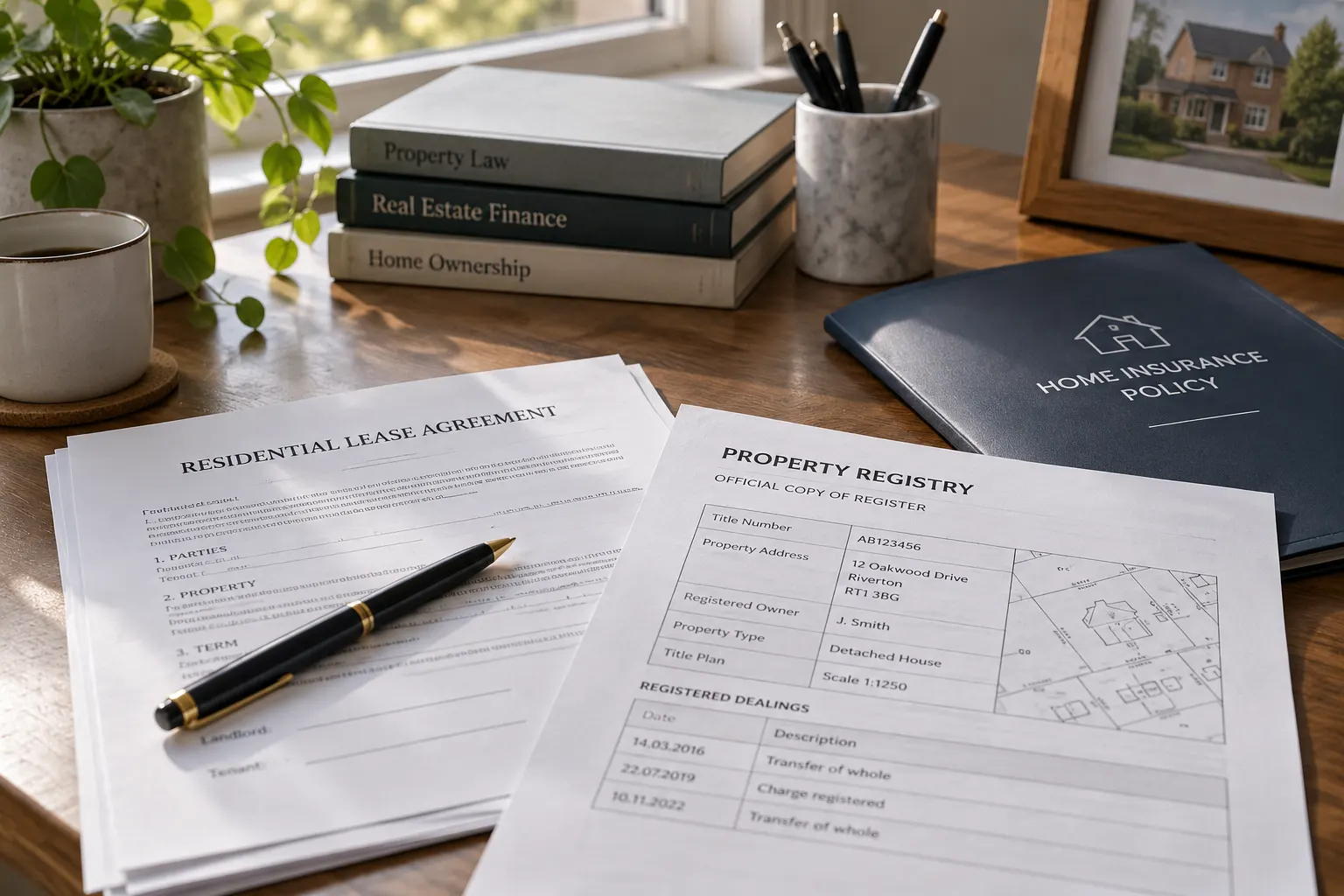
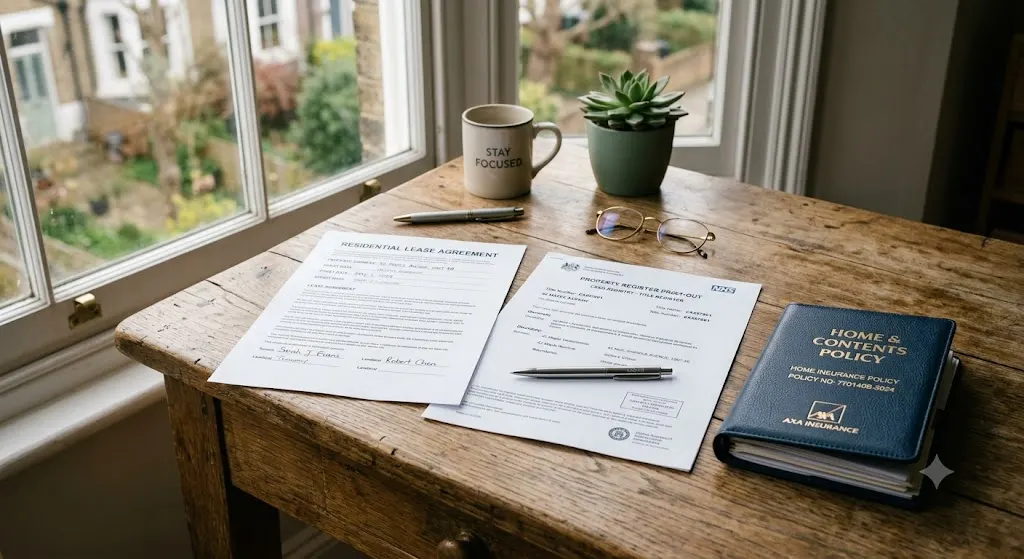
- Requesting and reviewing the property registry document (등기부등본) before signing a lease, as covered in what to know before renting an officetel, checking for existing mortgage debt relative to the property value, a heavily mortgaged property relative to your deposit amount represents genuinely higher risk.
- Understanding the specific priority order for deposit recovery in a foreclosure scenario, Korean law provides certain tenant protections and priority claims under specific conditions, particularly for tenants who've properly registered their lease (확정일자), understanding whether you've taken this specific registration step matters significantly for your actual legal priority position.
- Consulting with a real estate professional or legal advisor for a significant deposit amount, particularly if anything about a specific property or landlord's situation raises concern, the cost of this consultation is reasonable relative to the genuine financial risk a large, unprotected deposit represents.
Practical Steps Every Renter Should Take
- Register your lease with confirmed date (확정일자) at your local district office promptly after signing, this specific registration step provides important legal priority protection for your deposit claim in various dispute scenarios, and is a straightforward, low-cost administrative step many renters, particularly foreign renters unfamiliar with this specific requirement, sometimes overlook.
- Keep thorough documentation of your lease agreement, deposit payment records, and any communication with your landlord, comprehensive documentation strengthens your position significantly if any dispute arises later.
- Consider deposit guarantee insurance specifically for larger jeonse arrangements, where the genuine financial exposure justifies the modest insurance premium cost, particularly if you have any uncertainty about your specific landlord's financial stability based on your property registry review.
Common Mistakes Foreign Renters Make
- Not checking the property registry document before signing a lease, missing important information about existing mortgage debt that would have signaled genuinely higher deposit risk.
- Not registering their lease with confirmed date (확정일자), missing an important, low-cost legal protection step that meaningfully affects their priority position in a dispute scenario.
- Not considering deposit guarantee insurance for a significant jeonse deposit, treating deposit return as automatically guaranteed rather than understanding the genuine risk and available protective mechanism.
- Not consulting a professional for a significant deposit amount, attempting to navigate a genuinely complex legal and financial situation independently when professional guidance, given the financial stakes involved, would have been a reasonable and worthwhile investment.
Quick Summary
- Korea's deposit-heavy rental system carries genuine risk if a landlord faces financial difficulty, deposit protection generally requires proactive steps from the renter rather than existing automatically.
- Jeonse deposit guarantee insurance (전세보증보험) allows renters to insure their deposit against landlord default, generally needing to be arranged early in the lease term rather than close to lease end.
- Reviewing the property registry document before signing, and registering your lease with confirmed date (확정일자) promptly after signing, represent important protective steps many foreign renters overlook.
- Consulting a real estate professional or legal advisor for a significant deposit amount, and considering deposit guarantee insurance for larger jeonse arrangements, provides meaningful protection worth the modest cost relative to the genuine financial risk involved.