Sending Money Home from Korea: What Foreign Residents Should Check First
For many foreign residents in Korea, earning money is only half the financial problem. The other half is sending money home. Whether you are supporting family, paying loans, saving in your home country, or moving salary overseas, international transfers can be more complicated than expected.
Korea has many banking and remittance options, but the process can depend on your visa status, bank account, income records, phone verification, transfer limits, and the country you are sending money to. A transfer that looks simple online may still require documents or branch confirmation.
Why overseas remittance can feel difficult
A local bank transfer inside Korea is usually fast. Sending money abroad is different because banks and remittance companies may need to check the source of funds, recipient information, purpose of transfer, country restrictions, and annual limits.
This can surprise foreigners who are used to apps that move money internationally with only a few taps. In Korea, the transfer itself may be digital, but the setup often depends on identity verification and documentation.
The common misunderstanding is thinking, “It is my salary, so I can send it anywhere.” In practice, a bank may still ask for proof of employment, income, tax status, or the reason for the transfer, especially for larger or repeated transfers.
Bank transfer or remittance app?
Foreign residents usually compare two main routes: traditional banks and remittance apps.
A bank can feel more formal and may be useful for larger transfers, salary-based remittance, business-related transfers, or cases where documentation matters. The downside is that bank apps may be hard to use in English, branch visits may be required, and fees or exchange rates may not be the most attractive.
A remittance app may be faster and easier for smaller personal transfers. Many people use them for family support or regular monthly transfers. The downside is that limits, supported countries, fees, verification steps, and exchange rates vary by service.
The best option is not always the one with the lowest fee shown on the screen. You need to compare the total amount received after fees and exchange rate differences.
Exchange rate matters more than the visible fee
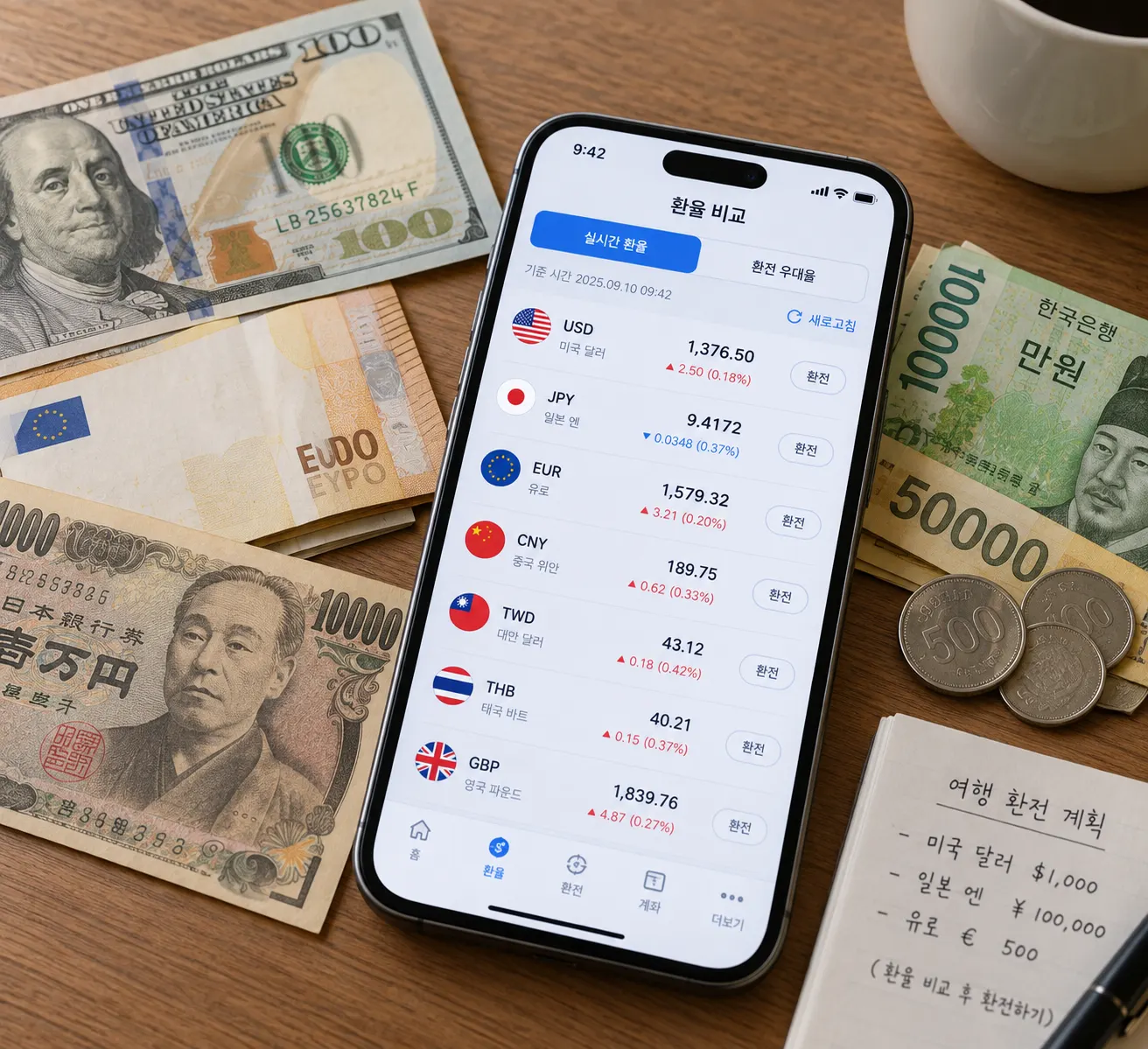
A service may advertise a low transfer fee but use a less favorable exchange rate. Another service may charge a visible fee but offer a better rate. The only number that matters is how much your recipient receives.
Before sending money, compare:
- Transfer fee
- Exchange rate
- Amount received by the recipient
- Delivery time
- Transfer limit
- Refund process if something goes wrong
- Customer service language
- Required documents
For repeated transfers, even a small exchange rate difference can matter. If you send money every month, treat remittance as part of your budget, not as a random errand.
Transfer limits can surprise newcomers
New residents may have limited banking functions at first. Your Korean bank account may have transfer limits, online banking restrictions, or extra checks before overseas remittance is enabled.
Banks may also treat students, employees, freelancers, business owners, and unemployed spouses differently. A salaried worker may be asked for employment proof. A freelancer may need income records. A student may face lower practical limits. A business owner may need to separate personal and business transfers.
If you know you need to send a large amount, do not wait until the deadline. Ask your bank in advance whether your account can send that amount overseas and what documents are required.
Documents you may need
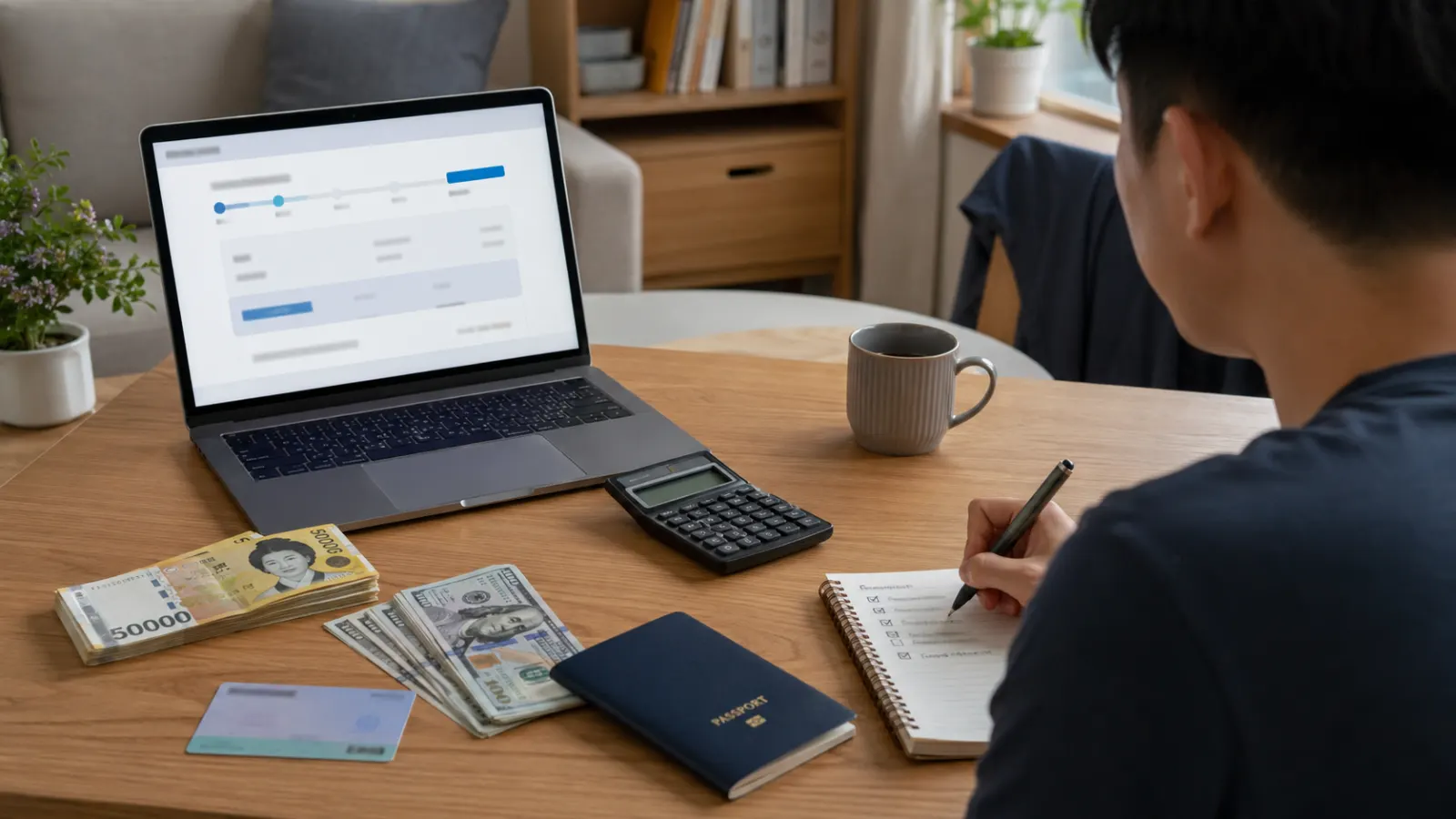
The exact requirements depend on the bank, service, amount, and purpose. Still, it is smart to prepare documents before sending larger amounts. Useful documents may include:
- Passport
- Foreigner residence card
- Korean bankbook or account details
- Employment certificate
- Payslips or income statement
- Tax documents, if relevant
- Recipient bank information
- Purpose of transfer
- Family relationship documents, if sending support
- Business or invoice documents, if work-related
Do not assume screenshots are enough. Some banks may want official documents or Korean-language forms.
Recipient details must be exact
International transfers can fail because of small information errors. Recipient name order, bank name, SWIFT code, account number, routing number, address, and country-specific banking codes all matter.
Before sending, confirm the details with the recipient. Do not copy old information if the recipient changed banks or moved countries. A failed transfer can take time to return, and fees may not always be fully refunded.
Name matching is especially important. If your recipient’s bank account uses a legal name with middle names, accents, or a different order, enter it carefully.
Timing matters
International transfers are not always instant. Weekends, Korean holidays, holidays in the recipient country, bank review time, and time zone differences can all delay delivery.
If you are sending money for rent, tuition, loan payments, or family expenses, transfer earlier than necessary. Do not assume a Friday evening transfer in Korea will arrive before a Monday deadline overseas.
For regular support, a fixed monthly schedule can reduce stress. You can also track exchange rates, but do not let small rate changes make you miss important payment deadlines.
Freelancers and business owners should be extra careful
Foreign freelancers, online sellers, consultants, and small business owners may have more complicated remittance needs. You may receive overseas income, spend in Korea, pay taxes in more than one country, and send money across borders.
The mistake is mixing everything casually in one personal account without records. If your transfers are related to invoices, platform income, subcontractors, or business expenses, keep documents organized.
At minimum, keep:
- Invoices
- Contracts
- Payment confirmations
- Exchange records
- Bank statements
- Tax filings
- Recipient information
This is not only for Korea. Your home country may also ask questions about income, transfers, or tax reporting.
How to choose a practical remittance method
Start with your real use case. If you send a small amount to family every month, a remittance app with good rates and simple verification may be convenient. If you send salary savings home once or twice a year, a bank transfer may feel safer, especially if the amount is large.
If you are paying tuition, loans, or official bills, choose a method that provides clear receipts and reliable tracking. If you run a business or freelance, focus on documentation and tax clarity rather than only speed. The cheapest method is not always the best method. A slightly more expensive transfer with better records and support may be worth it for important payments.
Quick Summary
- Sending money overseas from Korea may require identity checks, income proof, transfer limits, and accurate recipient details.
- Compare the final amount received, not only the visible transfer fee.
- Large or repeated transfers may require documents such as employment proof, income records, or purpose details.
- Freelancers and business owners should keep clear records for banking and tax reasons.