How Unemployment Insurance and Benefits Work for Foreign Workers in Korea
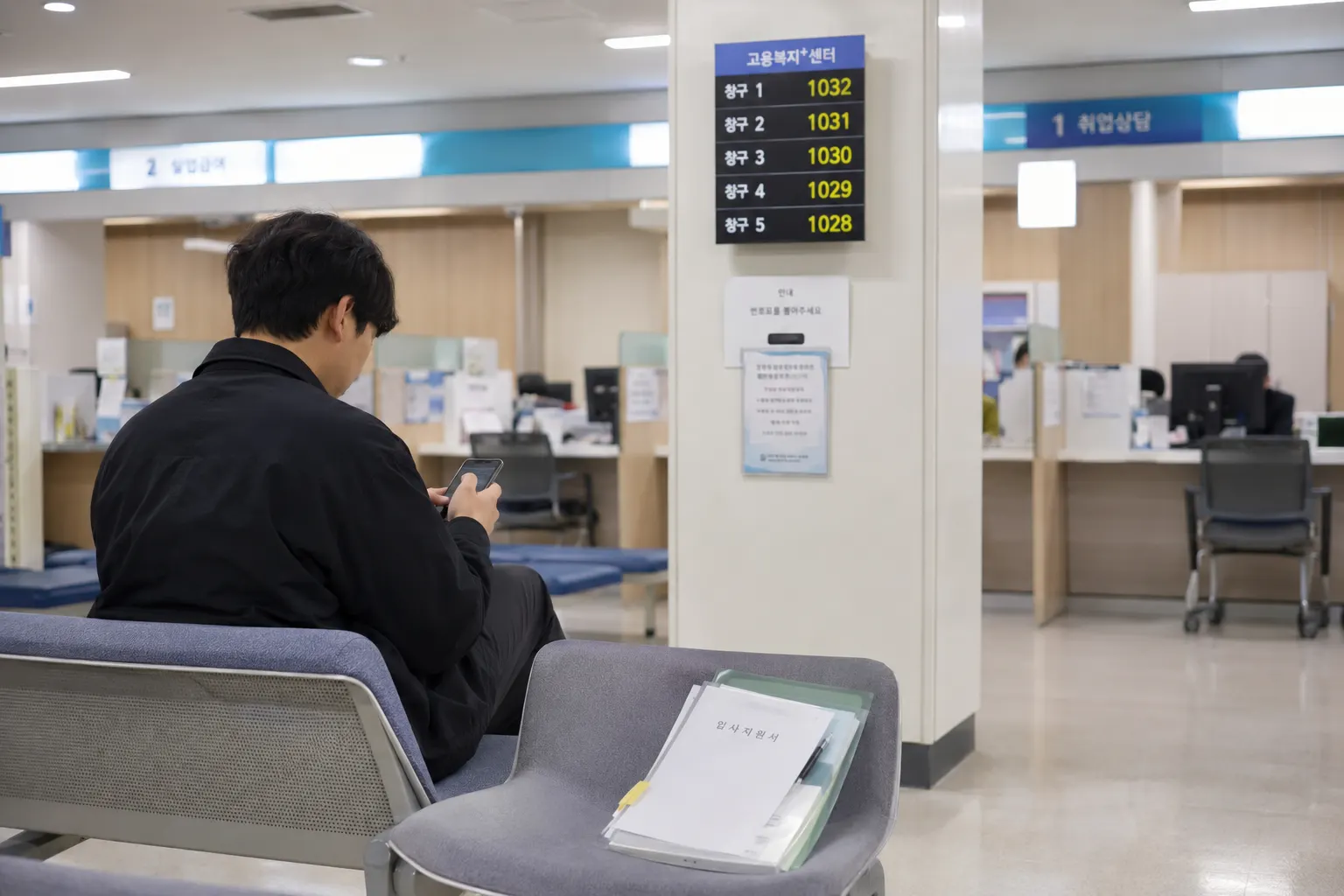
If you've lost a job in Korea, whether through layoff, contract non-renewal, or company closure, you may be entitled to unemployment benefits through Korea's Employment Insurance system, a benefit many foreign workers don't realize applies to them, partly because it's deducted quietly from every paycheck without much explanation of what it actually provides in return.
Here's how unemployment insurance works in Korea, who qualifies, and what the actual claims process involves.
What Employment Insurance Actually Covers
Employment Insurance (고용보험) is a mandatory payroll deduction in Korea, generally a small percentage of your salary, that funds several programs, most notably unemployment benefits, but also job training support and certain employment stabilization programs.
- Nearly all employees, foreign and Korean, contribute to Employment Insurance automatically through payroll deduction, similar to National Pension and Health Insurance, this isn't an optional add-on but a standard mandatory deduction for most standard employment arrangements.
- The fund primarily provides unemployment benefits to eligible workers who lose their job under qualifying circumstances, along with some vocational training and reemployment support services.
Who Actually Qualifies for Benefits
Eligibility for unemployment benefits in Korea depends on both your contribution history and the circumstances of your job loss, not simply the fact that you were employed and paid into the system.
- Minimum contribution period, generally requiring at least 180 days of Employment Insurance contribution within an 18-month period before your job ended, a shorter employment history than this generally doesn't qualify for benefits regardless of contributions made.
- Circumstances of job loss matter significantly, involuntary job loss, layoffs, company closure, contract non-renewal initiated by the employer, generally qualifies, while voluntary resignation generally does not qualify unless under specific recognized exceptions (certain documented workplace issues, health reasons, or similar qualifying circumstances).
- Visa status considerations, foreign workers on standard employment visas generally qualify on the same basis as Korean employees, though your ability to remain in Korea while receiving benefits, and whether your specific visa allows continued residency during a job search period, is a separate consideration from benefit eligibility itself, worth understanding both aspects if you're navigating a job loss.
How the Claims Process Works
- Register as a job seeker through the Employment Welfare Plus center (고용복지플러스센터) or online through the Employment Insurance system, generally required as a first step before benefits can be calculated and approved.
- Submit documentation confirming your job loss circumstances, generally provided by your former employer, confirming the involuntary nature of your separation, this documentation is a key factor in determining benefit eligibility.
- Demonstrate active job-seeking activity during your benefit period, Korea's system generally requires periodic reporting of job search activities to continue receiving benefits, rather than an unconditional payment regardless of job-seeking effort.
- Receive benefit payments, generally calculated based on your prior wage level and contribution history, for a benefit duration that varies based on your age and total contribution period, longer contribution histories and certain age categories generally qualify for extended benefit duration.
Common Misunderstandings Among Foreign Workers
A frequent assumption is that unemployment benefits aren't available to foreign workers at all, some foreign employees simply don't pursue a claim they were actually entitled to, assuming eligibility is restricted to Korean nationals. In practice, standard Employment Insurance eligibility generally applies equally regardless of nationality, provided your visa and employment circumstances meet the standard qualifying conditions.
Another common misunderstanding involves assuming any job separation qualifies, voluntary resignation without a recognized qualifying exception generally doesn't qualify for benefits, understanding this distinction before assuming you're automatically eligible following any job change avoids a disappointing claims process.
What This Means Practically During a Job Transition
- Confirming your specific visa's provisions for remaining in Korea during a job search matters alongside benefit eligibility itself, since some work visas are more tightly tied to continuous employment than others, affecting how much time you realistically have to both claim benefits and find new qualifying employment.
- Requesting proper separation documentation from your employer promptly after a layoff or contract non-renewal streamlines the claims process, delays in obtaining this documentation can slow down your benefit application.
- Understanding that job-seeking reporting requirements are ongoing, not a one-time application, matters for maintaining benefit eligibility throughout your claim period, missing required check-ins can result in a suspended or reduced benefit.
Quick Summary
- Employment Insurance is a mandatory payroll deduction funding unemployment benefits, generally available to foreign workers on the same basis as Korean employees, provided eligibility conditions are met.
- Qualifying generally requires at least 180 days of contribution within an 18-month period and an involuntary job loss circumstance, voluntary resignation generally doesn't qualify without a recognized exception.
- The claims process involves registering as a job seeker, submitting employer-confirmed separation documentation, and maintaining ongoing job-search reporting throughout your benefit period.
- Confirming your visa's specific provisions for remaining in Korea during a job search is a separate but equally important consideration alongside unemployment benefit eligibility itself.