How Korean Cosmetic and Dermatology Clinics Differ From General Skincare
If you're considering a dermatology clinic visit in Korea, whether for an actual skin condition or for one of the cosmetic dermatology treatments Korea has become internationally known for, understanding the meaningful distinction between medical dermatology and cosmetic dermatology services, what's covered by insurance versus fully out-of-pocket, and how to evaluate clinic reputation helps you navigate this specific healthcare category thoughtfully.
Here's how Korean cosmetic and medical dermatology clinics actually differ, and what to understand before booking either type of appointment.
Medical Dermatology vs. Cosmetic Dermatology
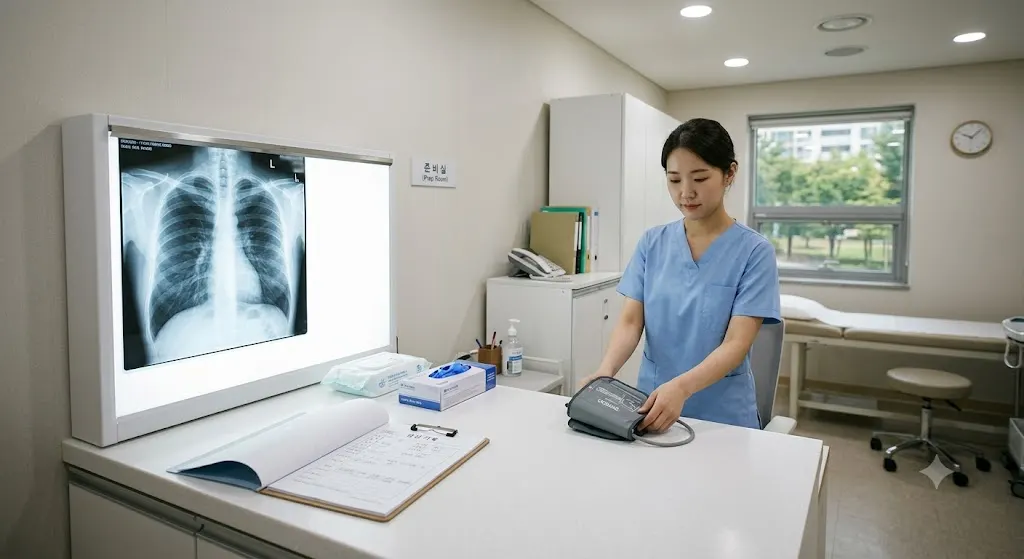
- Medical dermatology, treating actual skin conditions, acne, eczema, skin infections, suspicious moles or growths, and similar diagnosable conditions, generally falls under standard National Health Insurance coverage at the usual partial copay structure, similar to other medical specialties.
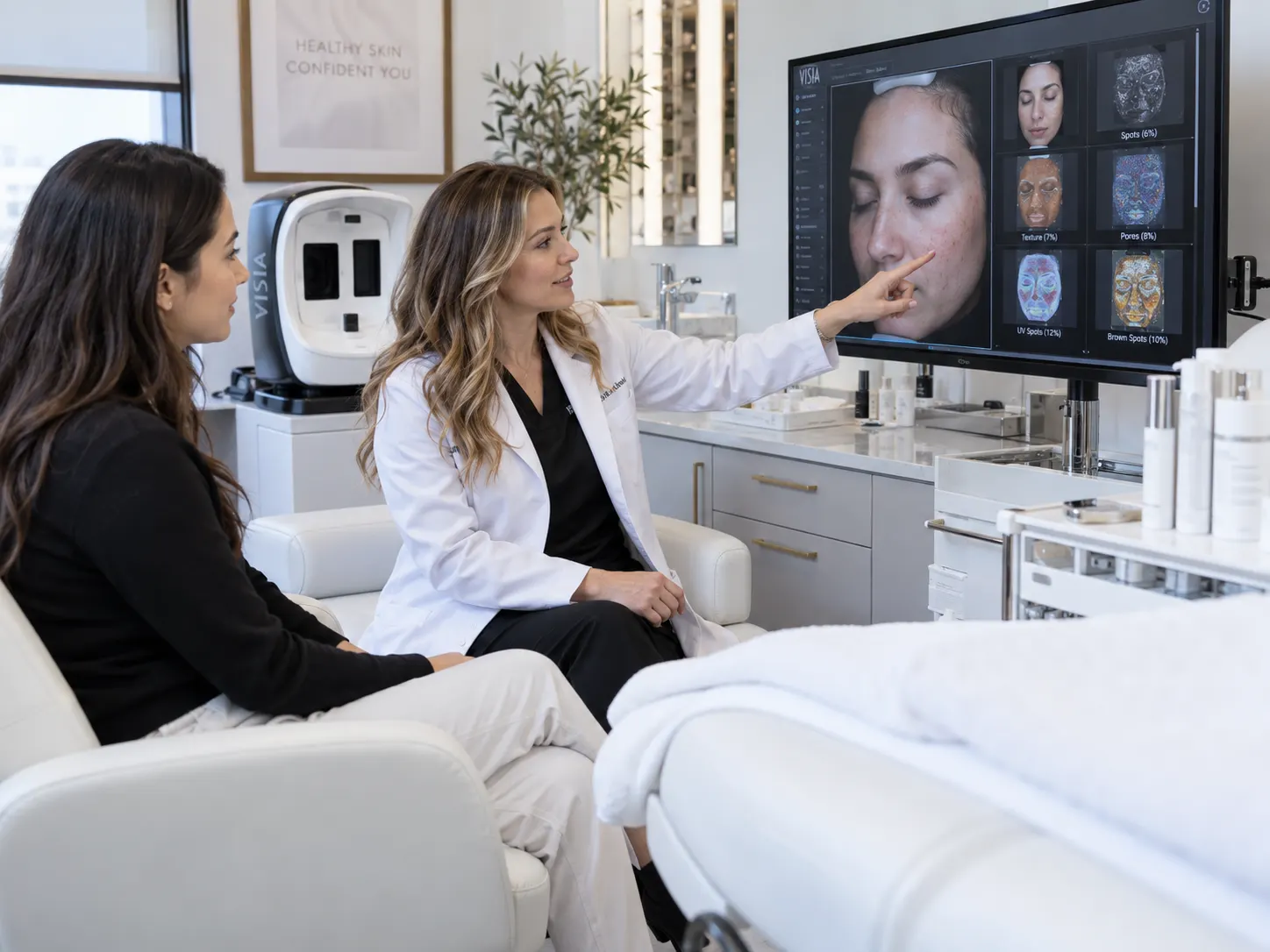
- Cosmetic dermatology, covering treatments primarily for aesthetic enhancement rather than treating a diagnosed medical condition, laser skin treatments, certain injectable treatments, and various skin rejuvenation procedures, generally falls entirely outside NHI coverage, representing a fully out-of-pocket expense regardless of your insurance enrollment status.
- Many Korean dermatology clinics offer both service categories under the same practice, understanding which category your specific concern or desired treatment falls into matters significantly for accurately anticipating cost, a mole check is a medical concern, a specific cosmetic laser treatment for general skin texture improvement is not.
Korea's International Reputation in Cosmetic Dermatology
- Korea has developed a globally recognized cosmetic dermatology and aesthetic medicine industry, particularly concentrated in specific Seoul districts, drawing both domestic patients and meaningful international medical tourism specifically for these services, similar to the pattern covered in how vision correction surgery works as another medical tourism category.
- A wide range of specific treatment types exists, various laser treatments for skin texture, pigmentation, or specific concerns, injectable treatments, and other aesthetic procedures, each requiring its own specific evaluation of appropriateness for your particular skin type and concern, rather than assuming any single treatment universally suits every patient.
- Pricing varies considerably by clinic reputation, specific treatment, and technology used, comparing options and understanding exactly what a specific quoted price includes, the treatment itself, any necessary follow-up, matters more than comparing headline prices alone across different clinics.
Evaluating a Clinic for Cosmetic Treatment Specifically
- Research the clinic's actual reputation and safety record thoroughly, rather than choosing based solely on price or marketing materials, given this represents an elective medical procedure with genuine risk considerations, similar diligence to what's recommended for evaluating vision correction surgery clinics applies here.
- Confirm the treating provider's actual medical credentials and specific experience with your particular desired treatment, cosmetic dermatology involves genuine medical procedures requiring appropriate qualification, not simply a beauty service despite sometimes being marketed in ways that can understate this medical dimension.
- Have a thorough consultation before committing to any specific treatment, a reputable clinic should honestly discuss realistic expected outcomes, potential risks, and whether a specific treatment genuinely suits your particular skin type and concern, rather than uniformly recommending an extensive treatment package regardless of individual need.
Common Misunderstandings
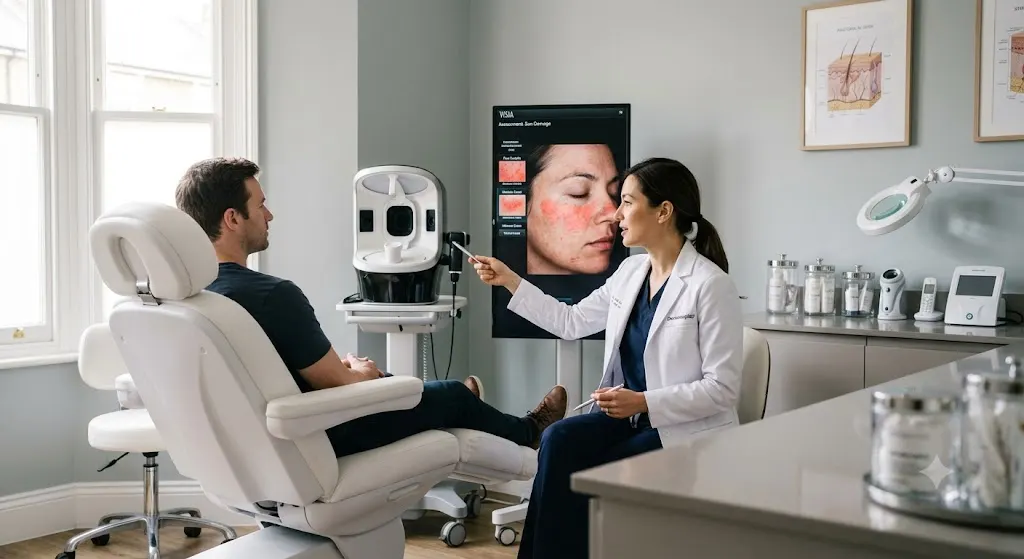
A frequent assumption among both foreign visitors specifically traveling for cosmetic dermatology treatment and foreign residents considering these services is treating them as a low-risk, purely cosmetic-adjacent beauty service given how normalized and widely marketed these treatments have become in Korea's cosmetic industry. In practice, cosmetic dermatology treatments remain genuine medical procedures performed by licensed physicians, warranting the same careful evaluation of provider qualification, realistic outcome expectations, and clinic reputation that any medical procedure deserves, regardless of how routine and widely available these treatments have become within Korea's specific cosmetic and aesthetic medicine industry.
What to Understand Before Booking Either Type of Appointment
- For a genuine skin health concern, prioritize finding a dermatologist through standard healthcare channels, similar research to finding a primary care doctor generally, rather than choosing based on cosmetic treatment marketing or reputation specifically.
- For cosmetic treatment consideration, budget appropriately for the fully out-of-pocket cost, research clinic and provider reputation thoroughly, and approach the decision with the same careful consideration as any elective medical procedure, rather than treating it as a casual beauty service purchase.
- Understanding NHI coverage boundaries clearly before your appointment, confirming with the specific clinic whether your particular concern or desired treatment falls under covered medical treatment or out-of-pocket cosmetic treatment, avoids a billing surprise after your visit.
Quick Summary
- Medical dermatology, treating diagnosed skin conditions, generally falls under standard National Health Insurance coverage, while cosmetic dermatology for aesthetic enhancement represents a fully out-of-pocket expense regardless of insurance status.
- Korea has developed a globally recognized cosmetic dermatology industry, with treatment options and pricing varying considerably by clinic, thorough research and provider credential verification matter given the genuine medical nature of these procedures.
- Approaching cosmetic dermatology treatment with the same careful evaluation as any elective medical procedure, rather than as a casual beauty service, helps you make an informed decision about provider and treatment choice.
- Confirming whether your specific concern falls under covered medical treatment or out-of-pocket cosmetic treatment before your appointment avoids billing confusion and helps you budget appropriately for your specific situation.