Health
How Korean Public Health Campaigns and Preventive Programs Work
By New In Korea TeamPublished Updated
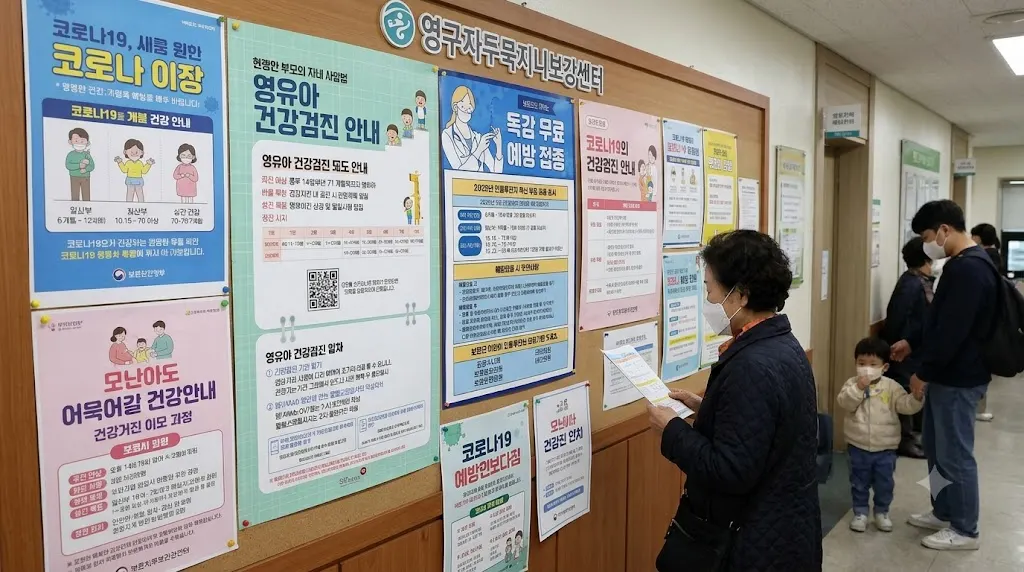
If you've noticed public health posters, mobile app notifications about air quality, or district office announcements about free screening events in Korea, and wondered how these public health initiatives actually work and whether they apply to or benefit foreign residents, Korea runs a genuinely active public health communication and preventive care infrastructure worth understanding, both for accessing free resources and for interpreting the information these campaigns provide.
Here's how Korean public health campaigns and preventive programs actually work, and how foreign residents can benefit from them.
Air Quality Monitoring and Public Health Alerts
- Korea maintains an extensive air quality monitoring system, particularly relevant given periodic fine dust (미세먼지) concerns affecting parts of the country, especially during certain seasonal periods, government apps and widely used weather apps provide real-time air quality index information and health guidance based on current conditions.
- Public health alerts and recommendations, adjusting outdoor activity guidance or recommending mask use during poor air quality periods, are communicated through both government channels and widely integrated into popular weather and news apps, checking a reliable air quality app regularly, particularly during known higher-risk seasonal periods, helps you make informed daily decisions.
- Understanding which specific air quality readings warrant specific precautions, general guidance on when outdoor activity should be limited or when mask use is specifically recommended, helps you interpret the alert information meaningfully rather than either ignoring alerts entirely or over-reacting to normal daily variation.
District-Level Free Screening and Health Programs
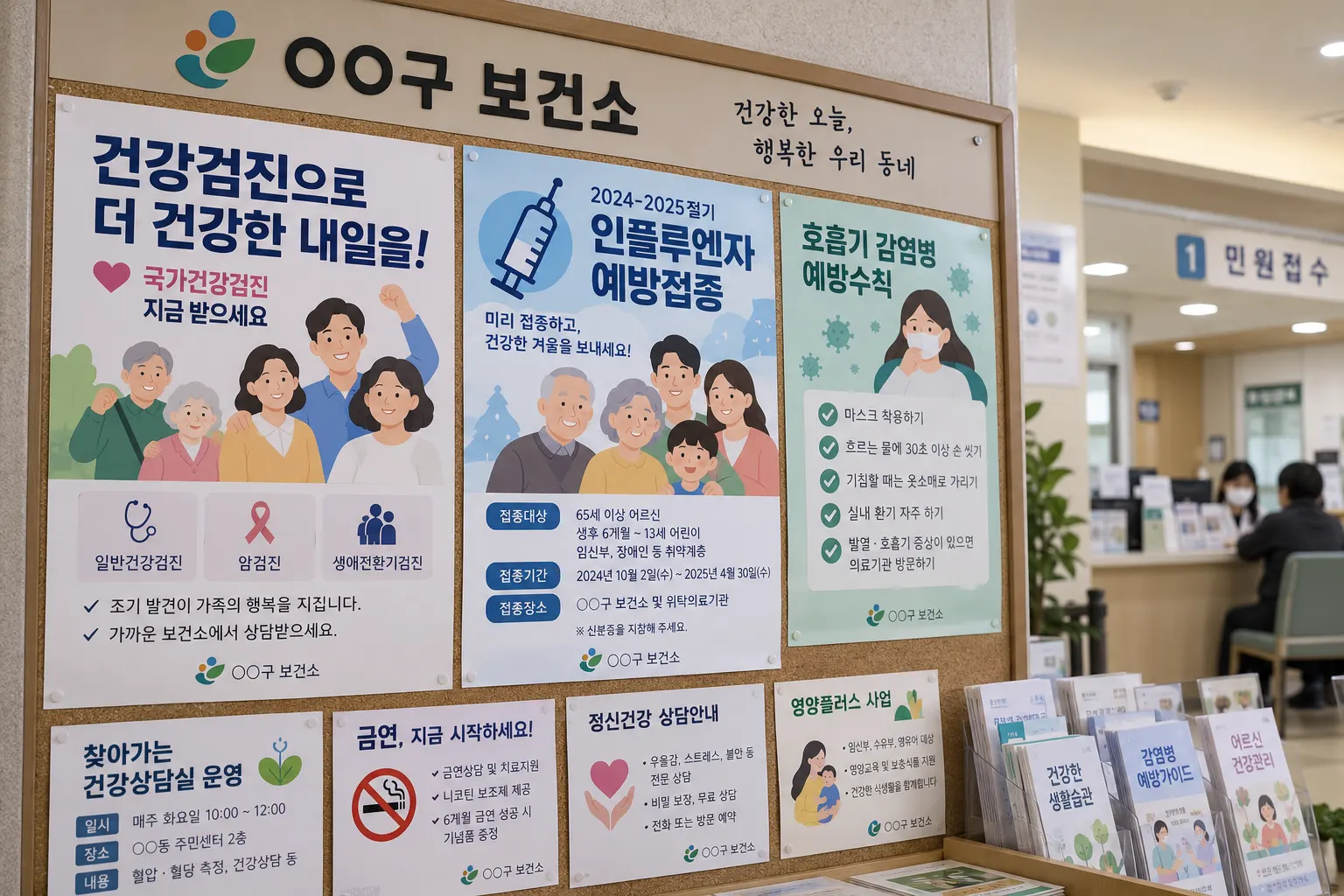
- Local district offices frequently run free or subsidized health screening events, beyond the standard NHI biennial screening covered in how health screenings and preventive care work, sometimes targeting specific conditions or demographic groups, or offering community health education programs.
- These programs are sometimes announced through district office notices, local community boards, or district-specific apps, similar to other district-level communication covered in how apartment complex community notices work, checking your specific district's public health program announcements periodically, rather than assuming you'll be automatically informed, helps you access resources you might otherwise miss.
- Eligibility for these specific programs generally follows residency-based rather than citizenship-based criteria, meaning registered foreign residents in a specific district are often eligible for the same community health programs as Korean resident neighbors, worth checking specific program eligibility directly rather than assuming exclusion.
Vaccination Campaigns and Public Health Initiatives
- Seasonal flu vaccination campaigns, generally running each fall, often include specific subsidized or free vaccination periods for eligible groups through NHIS-affiliated clinics and pharmacies, understanding your specific eligibility category and the campaign's specific timing helps you access this benefit if applicable to your situation.
- Public health education campaigns, addressing topics like general wellness, specific disease prevention, or health behavior encouragement, are communicated through various government and public health channels, sometimes including translated materials for foreign resident communities, particularly in areas with larger international populations.
- Emergency public health response communication, during any specific public health situation requiring broader community awareness, generally flows through official government channels and increasingly through multilingual notification systems developed specifically to reach Korea's foreign resident population more effectively than in earlier periods.
How Foreign Residents Can Stay Informed and Participate
- Downloading reliable government or widely-used weather and air quality apps provides ongoing access to relevant public health monitoring information relevant to daily life decisions.
- Registering with your local district office and checking their specific communication channels, whether a website, app, or physical notice board, helps you stay aware of district-specific health programs and events you might otherwise miss.
- Following official multilingual health information channels where available, some public health information specifically develops multilingual resources given Korea's growing foreign resident population, worth seeking these out specifically rather than relying solely on Korean-language-only general public communication.
Common Mistakes Foreign Residents Make
- Not monitoring air quality information regularly, particularly during known higher-risk seasonal periods, missing an opportunity to make informed daily decisions about outdoor activity or mask use based on actual current conditions.
- Missing free or subsidized district-level health programs, not checking local district communication channels regularly, simply because these programs aren't always prominently advertised through channels foreign residents naturally encounter.
- Assuming public health programs are restricted to Korean citizens, missing genuinely accessible residency-based programs due to an incorrect assumption about eligibility restriction.
- Not seeking out available multilingual public health resources, relying solely on secondhand information or incomplete understanding of Korean-language-only announcements when translated resources may actually exist for the specific topic.
Quick Summary
- Korea maintains active air quality monitoring and public health alert systems, particularly relevant for seasonal fine dust concerns, checking a reliable app regularly helps inform daily activity decisions.
- Local district offices frequently run free or subsidized health screening and community health programs, generally eligible to registered foreign residents on a residency basis, checking district-specific communication channels helps you access these resources.
- Seasonal vaccination campaigns and public health education initiatives are communicated through various government channels, sometimes including multilingual materials specifically developed for Korea's foreign resident community.
- Actively seeking out district-level and multilingual public health information, rather than assuming automatic notification or citizenship-based exclusion, helps foreign residents genuinely benefit from Korea's available public health infrastructure.