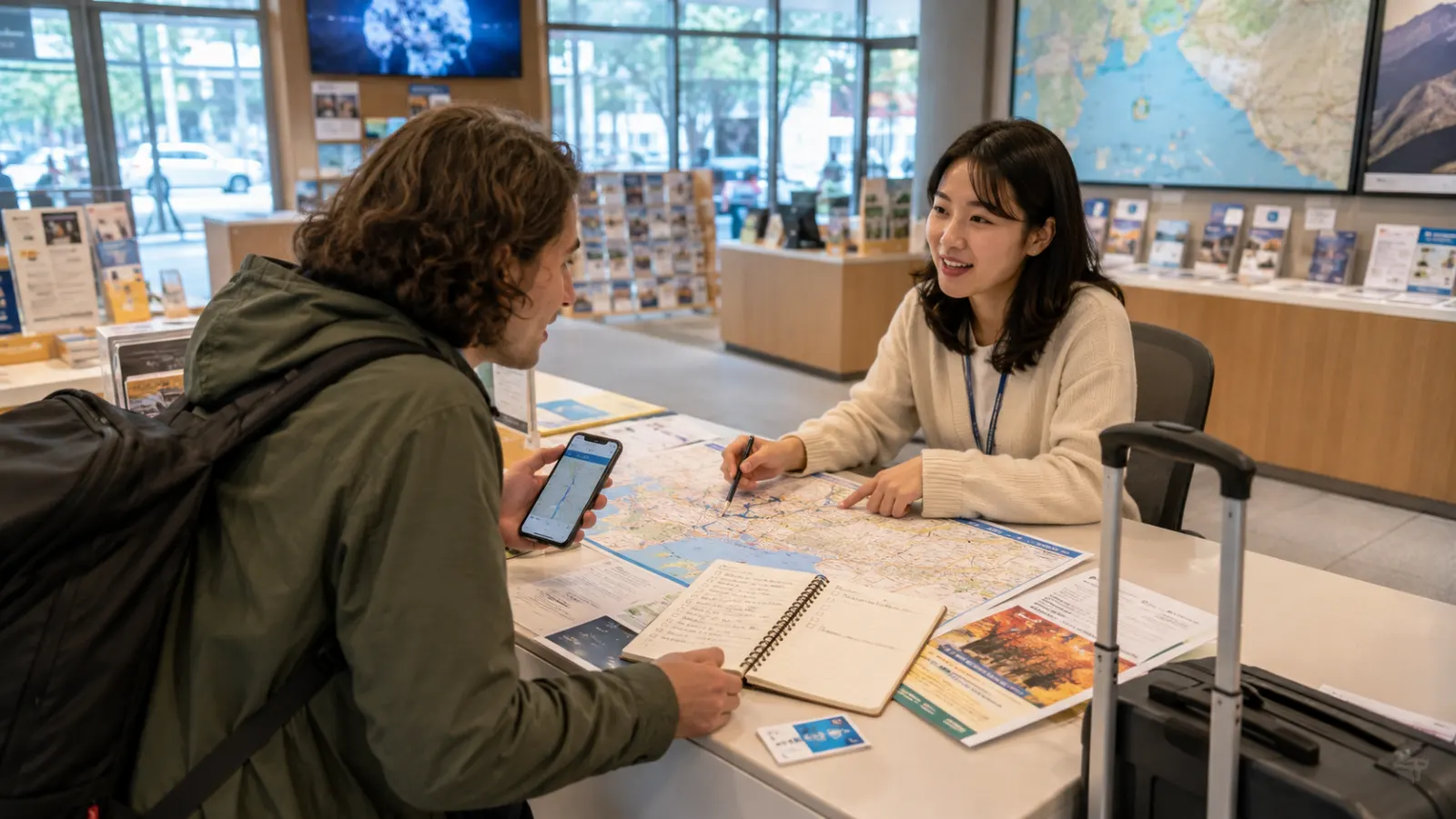
Taking Domestic Flights in Korea: IDs, Airports, Baggage, and Check-In Tips for Foreigners
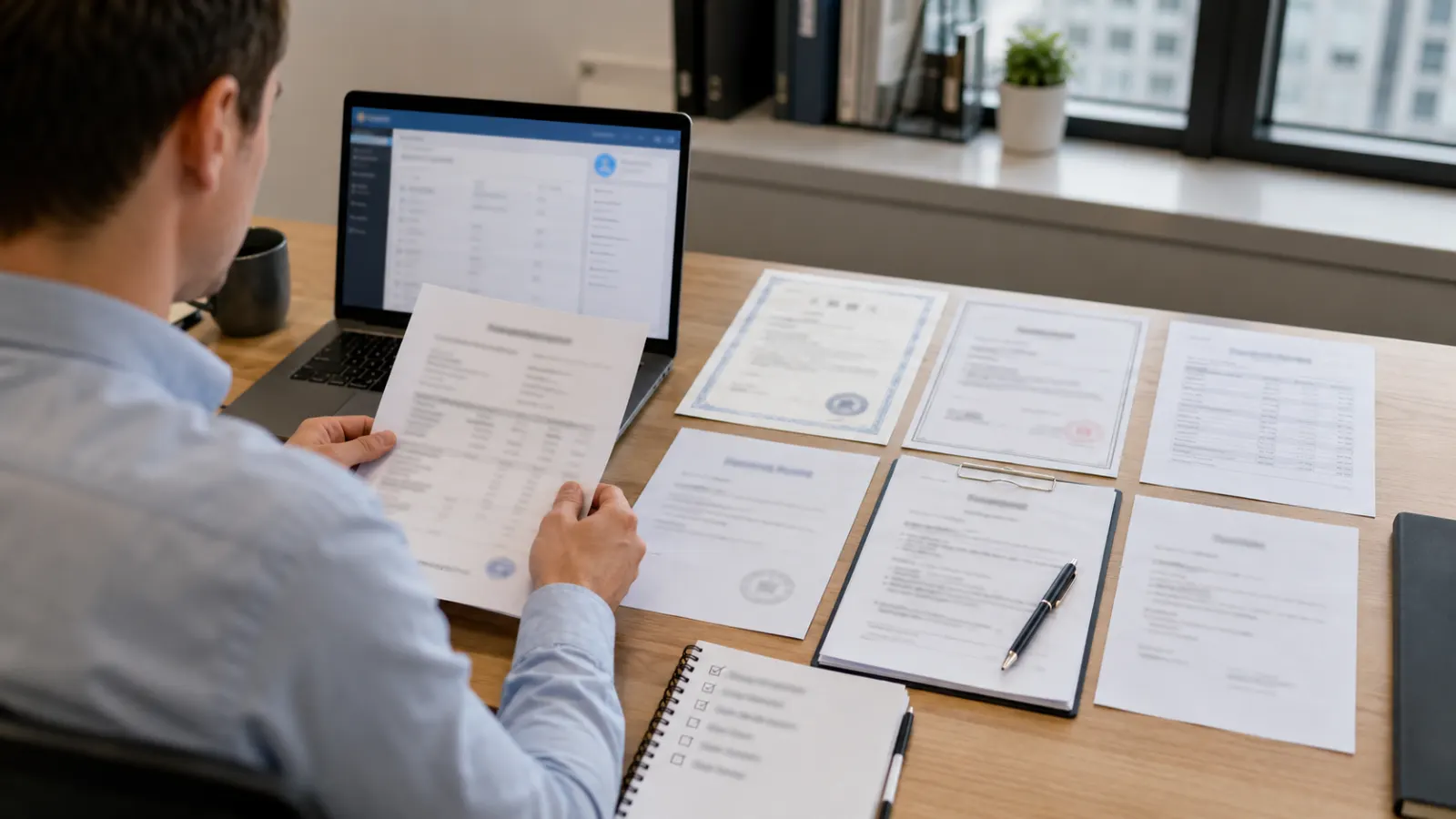
Domestic flights can be useful when traveling between mainland Korea and Jeju, covering long north-to-south routes, or connecting destinations that would require several ground transfers. The flight itself may be short, but mistakes involving airports, identification, names, baggage, and check-in deadlines can still disrupt the trip.
Foreign travelers should confirm the exact airport, use the same name across the booking and identification document, and check the operating airline’s rules rather than assuming all Korean domestic flights work identically.
Confirm the airport code and terminal
Cities and regions can have more than one relevant airport.
A flight associated with Seoul may use Gimpo International Airport rather than Incheon International Airport. These airports are in different locations and should not be treated as interchangeable.
Other trips may involve:
- Gimhae for the Busan area
- Jeju
- Daegu
- Cheongju
- Gwangju
- Muan
- Yeosu
- Ulsan
- Pohang-Gyeongju
- Sacheon
- Gunsan
- Wonju
- Yangyang
Routes change, and not every airport operates frequent flights throughout the year. Check the current airline schedule for the exact travel date. Before paying, confirm:
- Airport name
- Airport code
- Departure terminal
- Arrival airport
- Ground transportation
- First or last local connection
A low fare is not useful if reaching the airport requires an expensive taxi at an inconvenient hour.
Foreign-passenger identification
Foreign passengers need an accepted form of identification for a domestic flight.
Korea Airports Corporation’s Gimpo Airport guidance lists accepted identification options for foreign passengers and specifically addresses what foreigners may present when boarding domestic flights. Passport is among the listed documents, while other accepted forms depend on the passenger and document type.
Carry the original identification you plan to use. Do not rely only on a photograph stored on your phone.
Check the latest airport and airline guidance before traveling, especially for children, residents using a residence card, passengers with recently renewed documents, and travelers whose booking name differs from the identification.
The booking name must be accurate
Enter the passenger name using the spelling and order requested by the airline. Foreign names can create problems when:
- Middle names are omitted
- Family and given names are reversed
- Spaces or hyphens differ
- A nickname is used
- The booking uses an old passport name
- Two passengers have similar names
Review the confirmation immediately after payment. Contact the airline promptly when the name is incorrect. Do not wait until the airport and assume staff can change it at the counter.
Check-in timing
Domestic check-in is generally faster than international departure procedures because immigration clearance is not involved. However, baggage acceptance, security screening, and boarding still have deadlines.
Gimpo Airport’s official guidance notes that domestic boarding-pass issuance and baggage-check timing can vary by airline policy, while indicating that domestic flight procedures are generally available up to a limited period before scheduled departure.
Do not interpret that as a recommended arrival time. Arrive earlier when:
- Checking baggage
- Traveling during holidays
- Using an unfamiliar airport
- Traveling with children
- Carrying sports equipment
- Requiring mobility assistance
- Correcting a booking problem
- Returning a rental car
- Taking an early Jeju flight during a busy period
The airline’s own deadline is the controlling rule for the ticket.
Online and mobile check-in
Some airlines allow mobile check-in and digital boarding passes for eligible domestic passengers. This can reduce time at the airport, but it may not remove the need to visit a counter when:
- Identification needs manual review
- Baggage must be checked
- The passenger is a child
- Special assistance is required
- The booking was changed
- The digital pass does not load
- The passenger name requires correction
Save the boarding pass offline or take an accessible screenshot when the airline permits it. Do not rely on airport Wi-Fi or a roaming connection working at the exact moment you reach security.
Baggage rules vary by airline and fare
Domestic baggage allowances are not universal. The included amount can depend on:
- Airline
- Fare class
- Route
- Membership status
- Aircraft
- Checked or cabin baggage
- Promotional ticket
- Special equipment
A low-cost ticket may become less attractive after baggage is added. Before booking, check:
- Cabin-bag size and weight
- Checked allowance
- Additional-baggage price
- Online prepayment discount
- Sports-equipment rules
- Stroller or child-item rules
- Oversized baggage
- Prohibited and restricted items
Measure and weigh luggage before leaving home.
Batteries and electronic devices
Portable batteries and certain electronic items can be subject to cabin and checked-baggage restrictions. Do not place an item in checked baggage merely because it is heavy. Battery type and capacity can affect where it may be carried and whether airline approval is needed. Check the current airline and airport security rules for:
- Power banks
- Spare batteries
- Electronic cigarettes
- Smart luggage
- Drones
- Camera batteries
- Heating devices
- Damaged batteries
Protect exposed battery terminals and do not travel with swollen or damaged batteries. When uncertain, contact the airline before arriving at security.
Liquids on domestic flights
Travelers familiar with international liquid restrictions sometimes assume the exact same rules apply to every domestic journey. Security rules can differ by route and item. Regardless of general liquid treatment, dangerous substances and certain restricted products remain prohibited. Check current airport guidance for unusual liquids, aerosols, cosmetics, food, medicine, alcohol, or regional products.
Pack anything that could leak in a sealed bag. A permitted item can still damage clothing and electronics.
Traveling to Jeju
Jeju is the most common reason many visitors use a Korean domestic flight. Compare:
- Departure airport
- Airport transport
- Baggage fees
- Rental-car pickup
- Bus connection
- Accommodation check-in
- Weather risk
- Return schedule
Jeju Airport can be busy, particularly around weekends and holiday periods. Build extra time for rental-car shuttles and baggage pickup. A short flight does not mean the full door-to-door trip is short.
Weather and disruptions
Flights can be delayed or canceled because of wind, snow, rain, visibility, aircraft operations, or congestion. When a disruption occurs:
- Check the airline app or official message.
- Confirm whether the flight is delayed or canceled.
- Follow rebooking instructions.
- Keep receipts when seeking reimbursement.
- Contact accommodation and rental-car providers.
- Avoid relying on unofficial social-media accounts.
- Check the final ground-transport schedule.
Ticket refund and compensation outcomes depend on the cause, airline conditions, and applicable rules. Request a written disruption confirmation when needed for insurance.
Getting to and from the airport
Domestic airports differ greatly in public transportation. Gimpo and Gimhae have strong urban connections. Smaller airports may depend more on buses, taxis, or limited regional services. Before booking an early or late flight, verify that transportation operates at the required time.
For the arrival side, check:
- Last bus
- Taxi availability
- Rental-car hours
- Hotel shuttle
- Travel time to the city
- Payment method
- Estimated connection margin
A cheaper late flight can cost more when only a long taxi ride remains.
A practical flight checklist
Before booking:
- Confirm airport and code
- Match the passenger name
- Check accepted identification
- Compare baggage-inclusive prices
- Review cancellation conditions
- Plan airport transportation
Before departure:
- Recheck flight status
- Carry original ID
- Save boarding information offline
- Weigh baggage
- Check battery restrictions
- Arrive according to airline guidance
Quick Summary
- Seoul-area domestic flights commonly use Gimpo, not Incheon, so confirm the exact airport.
- Carry an original accepted identification document and match the booking name carefully.
- Baggage, battery, check-in, and cancellation rules vary by airline and fare.
- Compare the complete trip, including airport transportation and baggage costs, rather than the ticket price alone.