Travel
How Korea's Regional Train Lines Beyond KTX Actually Work
By New In Korea TeamPublished Updated
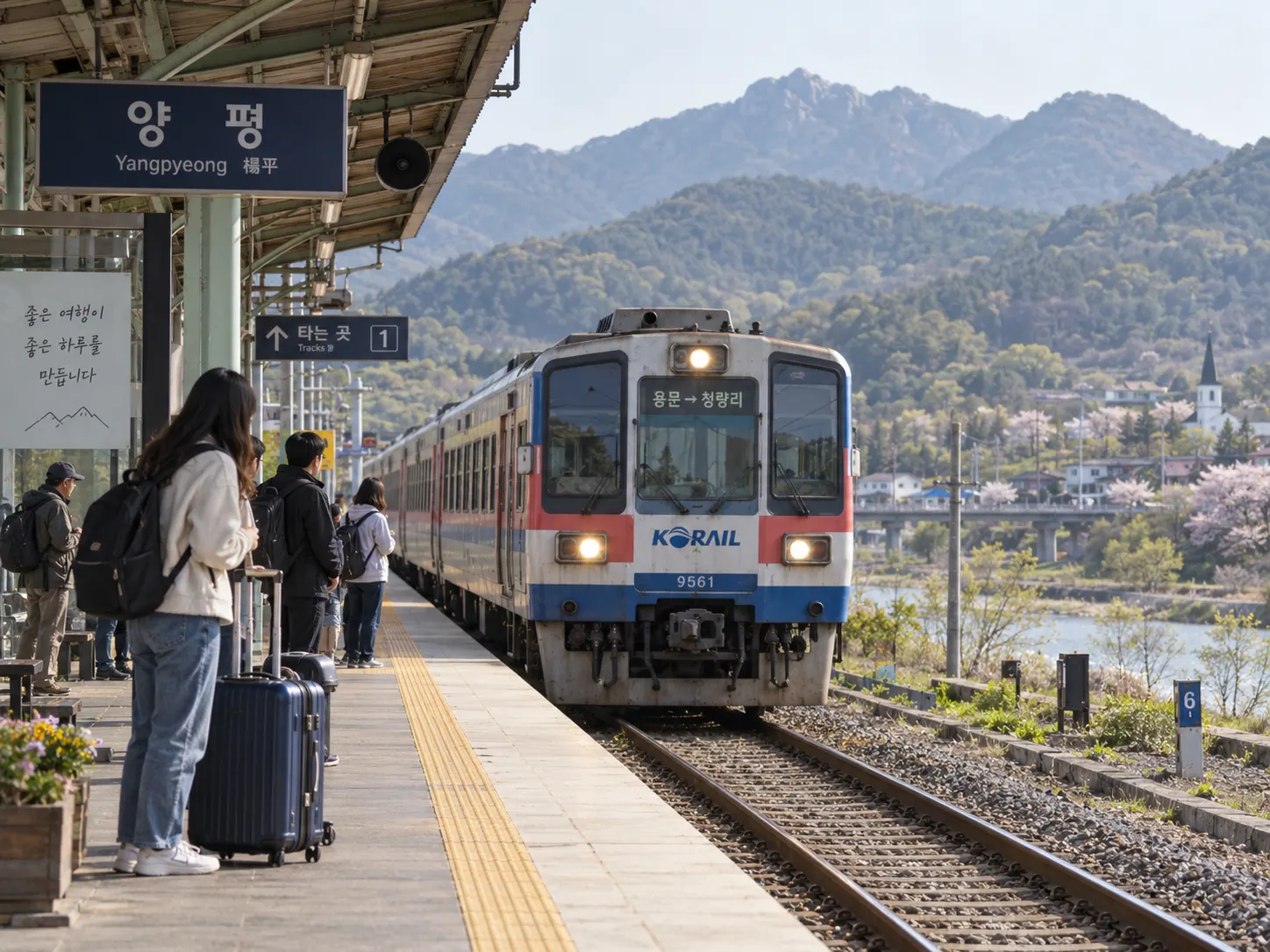
If you've used KTX for major city-to-city travel but wondered about getting to smaller towns or more specific regional destinations not directly served by high-speed rail, Korea's broader regional train network, including slower conventional lines and specific regional connections, offers a genuinely useful and often more affordable alternative worth understanding for trips beyond the main KTX corridors.
Here's how Korea's regional train lines beyond KTX actually work.
Understanding Korea's Full Rail Network Beyond KTX
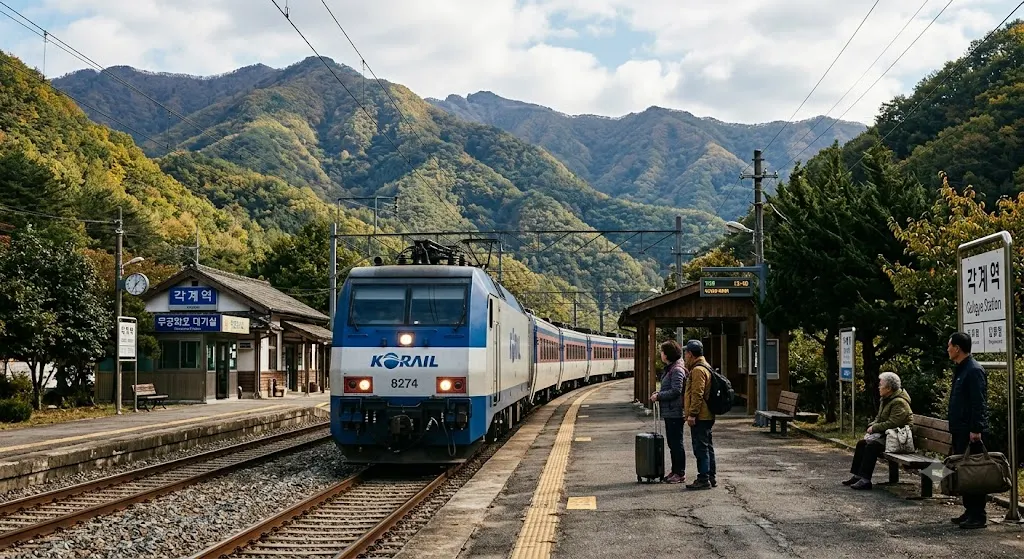
- Beyond KTX's high-speed service, as covered in how KTX high-speed rail works, Korea operates several additional train service tiers, ITX-Saemaeul and Mugunghwa representing the two most common conventional rail service levels, generally slower but considerably more affordable than KTX, and often serving smaller stations and routes KTX doesn't directly reach.
- ITX-Saemaeul represents a faster conventional service tier than Mugunghwa, though still considerably slower than KTX, offering a middle-ground option for routes where KTX isn't available or where the price difference matters more than the time savings.
- Mugunghwa represents Korea's most basic, affordable conventional rail service, serving the widest range of smaller stations across the country, genuinely useful for reaching more remote or smaller regional destinations not well served by either KTX or the faster conventional tiers.
When Regional Trains Make More Sense Than KTX
- Destinations without direct KTX service, smaller cities and towns off the main high-speed rail corridors, generally require either a conventional train directly to that destination or a KTX connection to the nearest major station followed by a conventional train or bus for the final leg.
- Budget-conscious travel where time isn't the primary constraint, conventional rail service costs meaningfully less than KTX for the same general route, worth considering for longer, more flexible trips where the additional travel time genuinely doesn't matter significantly to your itinerary.
- Scenic or leisurely travel preferences, some travelers specifically prefer conventional rail's slower pace and different route experience, particularly for certain scenic regional lines, as a genuine travel experience choice rather than simply a budget necessity.
Booking and Practical Considerations
- Booking through Korail's same booking platform covers both KTX and conventional rail services, as covered in the KTX booking process, using the same app or website interface, simply selecting the appropriate service tier for your specific route and preference.
- Seat reservation versus standing/non-reserved options apply similarly across service tiers, though conventional rail sometimes has more flexible non-reserved seating availability given generally lower overall demand compared to KTX's more consistently high demand on popular routes.
- Understanding specific route service frequency, some smaller regional routes have considerably less frequent service than major KTX corridors, checking the actual schedule for your specific planned route, rather than assuming frequent service availability similar to major KTX lines, matters for accurate trip planning.
Combining Rail With Other Regional Transportation
- Bus connections often fill gaps where rail service doesn't directly reach your final destination, Korea's extensive intercity and local bus network frequently complements rail service for genuinely remote destinations, understanding this combined rail-plus-bus approach for more remote regional travel planning.
- Local transit at your destination, smaller regional train stations don't always have the same extensive local transit connection that major KTX stations offer, researching your specific destination's local transportation options, taxi availability, local bus routes, before arrival helps you plan the final leg of your journey appropriately.
- Car rental represents another option for genuinely remote regional exploration where public transit, even combined rail and bus options, doesn't efficiently cover your specific planned itinerary, worth considering for certain rural or multi-stop regional travel plans.
Common Mistakes Travelers Make
- Assuming KTX reaches every Korean destination, not realizing that many smaller cities and regional areas require a conventional rail or bus connection rather than direct high-speed rail access.
- Not checking specific regional route schedules in advance, assuming frequent service similar to major KTX corridors, when some conventional rail routes have considerably less frequent scheduling requiring more careful advance trip planning.
- Overlooking the cost savings available through conventional rail service for routes where travel time isn't a primary constraint, defaulting to KTX or flights without considering whether a more budget-friendly conventional rail option genuinely suits a specific trip's actual time flexibility.
- Not planning the final leg of a journey to a smaller regional destination, arriving at a smaller station without having researched local transportation options for reaching their actual final destination beyond the train station itself.
Quick Summary
- Korea's rail network extends well beyond KTX, with ITX-Saemaeul and Mugunghwa conventional service tiers offering more affordable, if slower, access to a wider range of destinations including smaller stations KTX doesn't directly serve.
- Regional train service makes particular sense for destinations without direct KTX access, budget-conscious travel with time flexibility, and travelers specifically interested in a different, more leisurely rail travel experience.
- Booking works through the same Korail platform as KTX, checking specific route service frequency matters since some regional lines have considerably less frequent scheduling than major KTX corridors.
- Combining rail with bus connections or car rental, and researching local transportation at smaller regional destinations in advance, helps you plan a complete itinerary beyond just the train journey itself.