How Hiking Works in Korea: Trails, Etiquette, and Safety
If you've seen Koreans in full mountain gear on a weekday morning subway, you've noticed that hiking in Korea is less a weekend hobby than a routine. Mountains sit inside or beside almost every major city, trails are free or cheap to enter, and a hike usually ends with a meal. The system is easy to use once you know the unwritten rules, the safety signs, and the seasonal closures that catch newcomers off guard.
Here is how hiking actually works, what to bring, and what to check before you go.
The Quick Answer: What to Expect
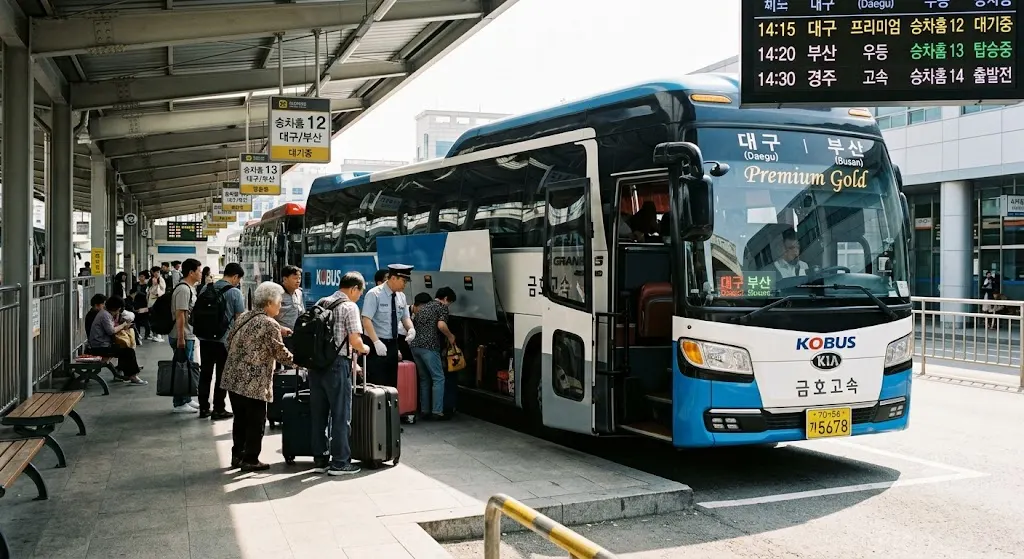
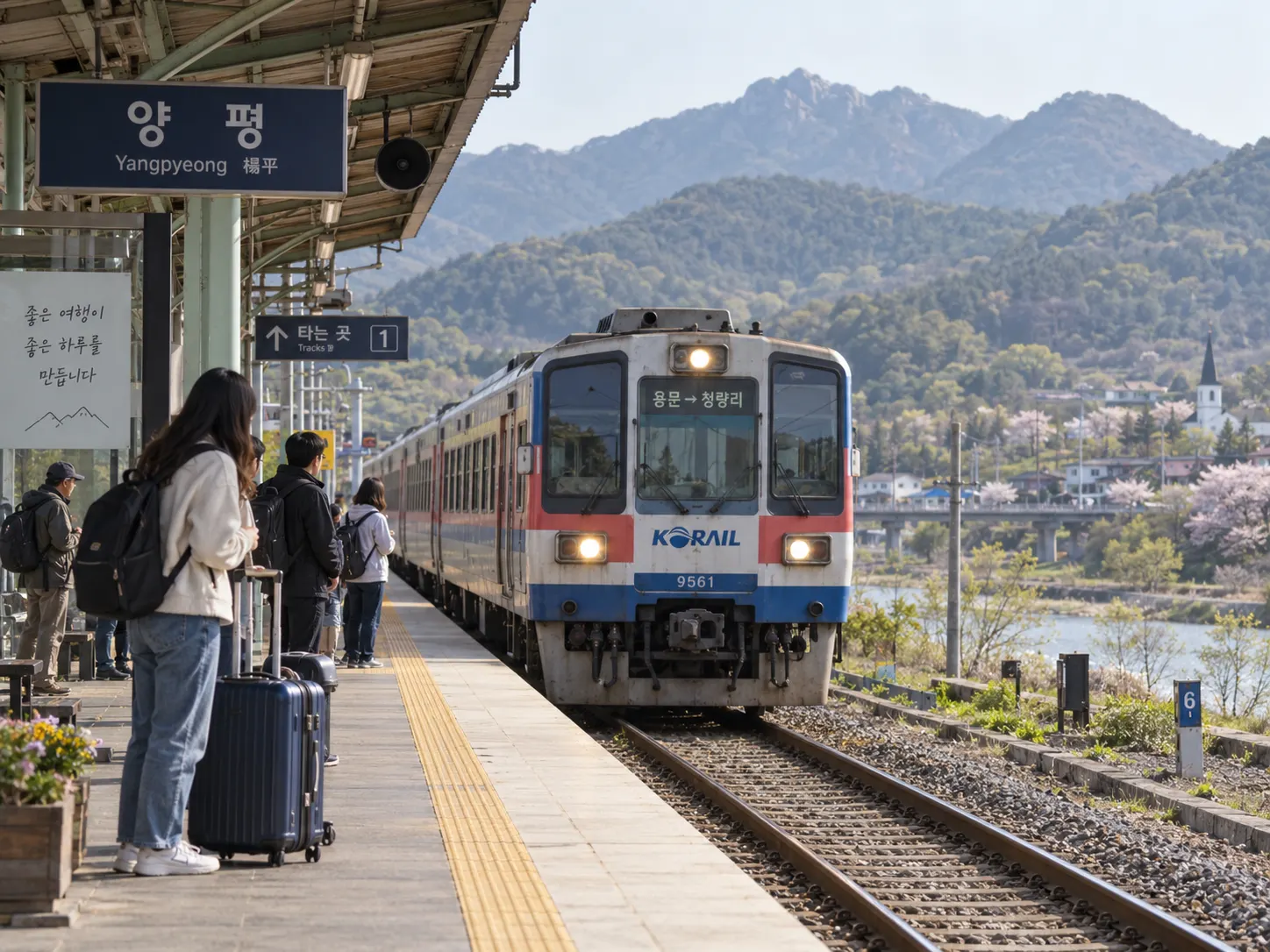
Most Korean hikes are well-marked, heavily used, and reachable by subway or bus. Entry to most national parks is free, though temples inside some parks charge their own admission. Trails range from an hour-long stroll up an urban hill like Namsan or Inwangsan to full-day climbs in Bukhansan, Seoraksan, or Jirisan. Expect crowds on weekends and in autumn, when foliage season fills the popular trails.
Where Beginners Usually Start
- Namsan and Inwangsan (Seoul): short, central, and good for city views.
- Bukhansan: an easy transit connection from Seoul and a wide range of routes, from gentle to steep.
- Dobongsan and Gwanaksan: classic day hikes close to the subway.
- Seoraksan and Jirisan: longer routes that need a full day, a plan, and sometimes a shelter booking.
- Hallasan (Jeju): the summit trails have required advance online reservations, so check the current system before you travel.
Many trails restrict entry after a seasonal cutoff time so that nobody is caught on the mountain after dark. Start early and plan your descent before sunset.
Trail Etiquette
A few habits are noticed quickly on Korean trails:
- Greet people you pass. A nod or a quiet "annyeonghaseyo" is normal on the way up.
- Yield to uphill hikers where the path is narrow, which is the common courtesy.
- Carry your trash out. Many trails have few or no bins.
- Keep speakers off. Hiking with music playing aloud is widely disliked.
- Stay on marked paths. Some areas are closed to protect habitat, and off-trail hiking in restricted zones can bring fines.
Safety Basics and the 119 Location Signs
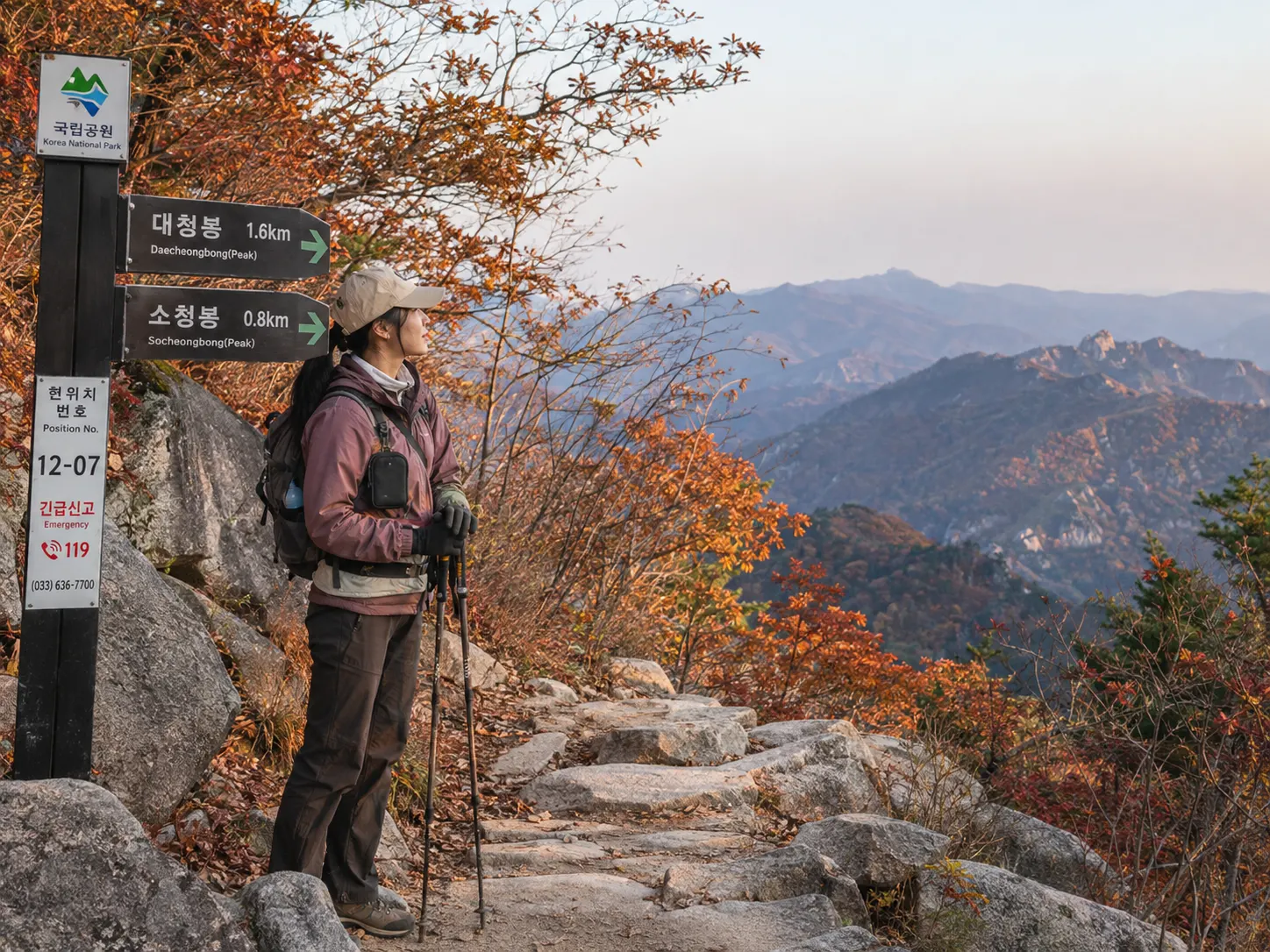
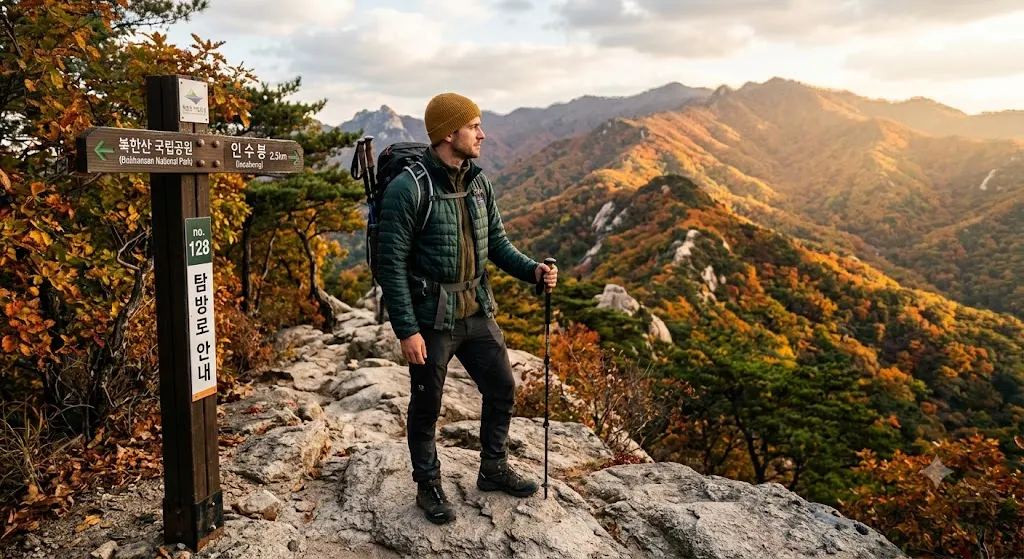
Korean trails have numbered location signposts at junctions and along routes. If you're lost or injured, call 119 and read out the code on the nearest sign, which tells rescuers exactly where you are. Phone signal is usually good, but carry a power bank, since cold weather drains batteries quickly.
During dry seasons, usually spring and autumn, forest fire prevention rules can close some trails entirely, and lighters, stoves, and smoking are restricted. Check the park service website or notice board before you go.
What to Wear and Bring
Koreans tend to dress for the mountain even on short hikes, and for good reason.
- Layers in quick-dry fabric, since temperatures drop fast with altitude.
- Shoes with real grip. Granite slopes get slippery when wet.
- Water, snacks, and a small first-aid kit.
- A headlamp or phone light, in case the descent runs late.
- Winter traction (아이젠) from roughly November to March, sold at gear shops and sometimes near trailheads.
Trekking poles are common and helpful on long descents, but check whether they are allowed on specific trails.
The After-Hike Meal
Finishing with a meal is part of the experience. Restaurants near trailheads serve pajeon (savory pancake), dotori-muk, and makgeolli, and they are often cheap. If you hike with colleagues, as covered in the workplace dinner culture, expect the meal to matter as much as the climb.
Common Mistakes
- Starting late. Cutoff times and early sunsets leave little margin.
- Assuming a famous trail is easy. Some popular routes are steep and rocky.
- Wearing sneakers on wet or icy trails. Grip matters.
- Ignoring closure notices. Fire and habitat closures are enforced.
- Not telling anyone your route. Share your plan if you hike alone.
Quick Summary
- Hiking in Korea is easy to access by public transit, and entry to most national parks is free.
- Start early, respect seasonal cutoff times, and check for fire-prevention or habitat closures before you go.
- Numbered location signs on trails let 119 rescuers find you quickly, so note the code if you need help.
- Dress in quick-dry layers, wear shoes with grip, bring traction gear in winter, and carry your trash out.